An Overture
Angers is the historic capital of Anjou at the western end of the Loire Valley, a lively, green university city on the River Maine just above its confluence with the Loire. Its defining landmark is a massive medieval fortress of striped stone whose 17 drum towers shelter the Apocalypse Tapestry, the largest surviving medieval tapestry in the world. Beyond the castle, Angers offers a walkable old town, a fine cathedral, excellent museums, the David d'Angers gallery in a former abbey church, and a relaxed café culture. Well connected by TGV from Paris, it is a comfortable, château-light city base for the western Loire and Anjou wine country.
Top Things to Do
Château d'Angers
A 13th-century fortress with 17 towers, ramparts, and gardens, housing the Apocalypse Tapestry.
Insider tip — Ticketed; the tapestry hall is the highlight; walk the ramparts for city views; allow 1.5–2 hours.
Apocalypse Tapestry (Tenture de l'Apocalypse)
A 14th-century woven cycle over 100 metres long, the largest medieval tapestry surviving.
Insider tip — Inside the château; low lighting protects the textiles; audioguide recommended.
Cathédrale Saint-Maurice
A Gothic cathedral with early "Angevin" vaulting and fine stained glass.
Insider tip — Free; reached up a monumental staircase from the river.
Galerie David d'Angers
Sculptures by the local 19th-century sculptor displayed in a glass-roofed former abbey church.
Insider tip — Ticketed; a striking setting.
Musée des Beaux-Arts & Musée Jean-Lurçat
Fine arts in a Renaissance mansion; Jean-Lurçat's modern "Chant du Monde" tapestry answers the medieval Apocalypse.
Insider tip — Ticketed; the Lurçat tapestry is a modern counterpoint worth seeing.
Walking Tours
Old town & castle
From the moated fortress up to the cathedral and the carved half-timbered Maison d'Adam, then the lively Place du Ralliement and the pedestrian Rue Saint-Aubin.
Château d'Angers → Cathédrale Saint-Maurice → Maison d'Adam → Place du Ralliement → Rue Saint-Aubin (pedestrian)
La Doutre & the Maine riverside
Along the redeveloped Maine banks, across the bridge into the atmospheric Doutre quarter with its old square, gallery and Romanesque church.
Cale de la Savatte (riverside) → Pont de Verdun → Place de la Laiterie (La Doutre) → Galerie David d'Angers
Day Trips & Beyond
Abbaye de Fontevraud
Plantagenet abbey and royal tombs. Getting there: Via Saumur, then bus/taxi/bike.
SearchChâteau du Plessis-Bourré / Château de Brissac
Moated and tall Loire châteaux near the city. Getting there: Limited transit; easier with a tour or car.
SearchTerra Botanica
A large botanical theme park on the city's edge. Getting there: Tram/bus from the centre.
SearchAnjou vineyards (Savennières, Coteaux du Layon)
Getting there: Short drive/bike; some bus links.
SearchHidden Gems
Jean-Lurçat's "Le Chant du Monde"
A monumental modern tapestry created as a 20th-century reply to the Apocalypse, in a former hospital ward.
SearchMaison d'Adam
One of France's finest surviving half-timbered houses, richly carved, behind the cathedral.
SearchCointreau distillery
The orange liqueur is made just outside Angers, with a visitor experience (Carré Cointreau).
Getting there — Tram/bus to Saint-Barthélemy-d'Anjou.
SearchFood & Dining
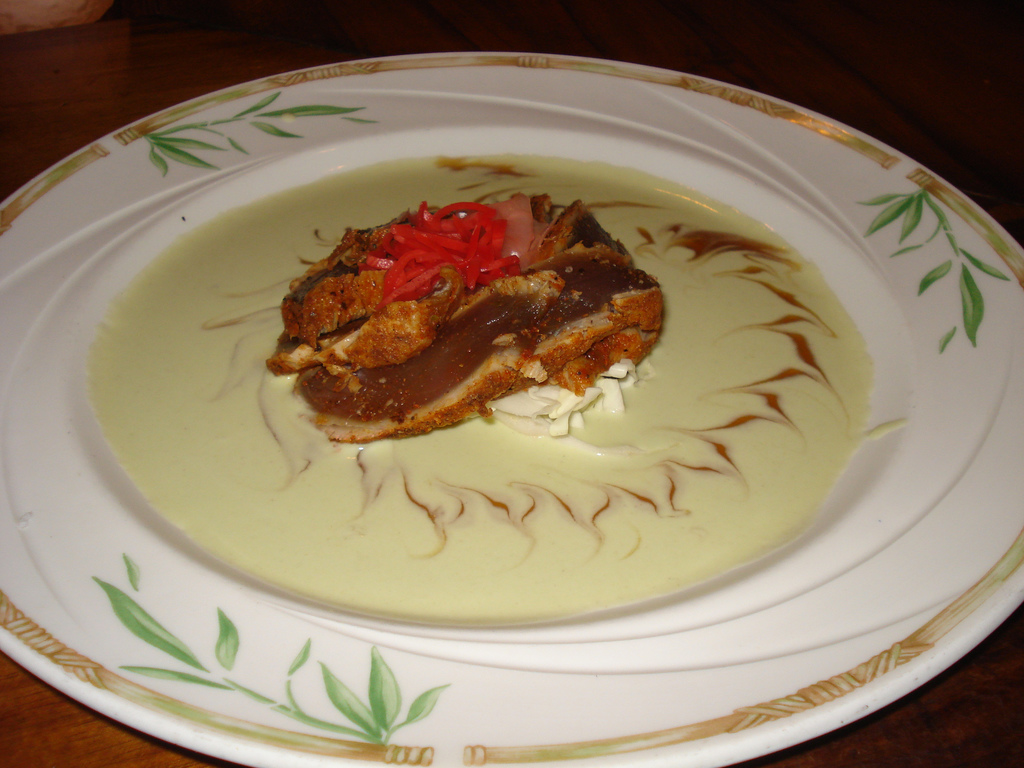
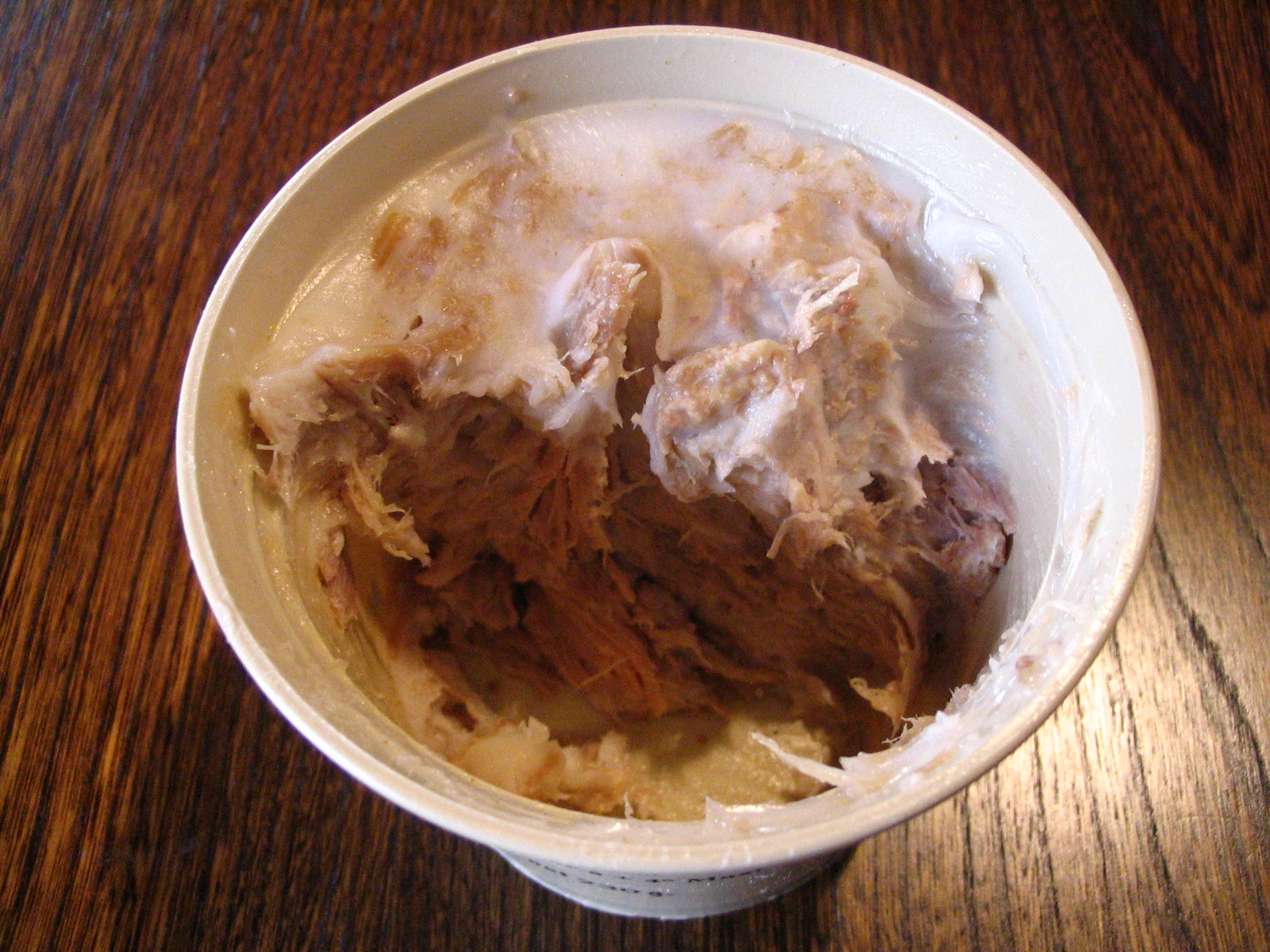
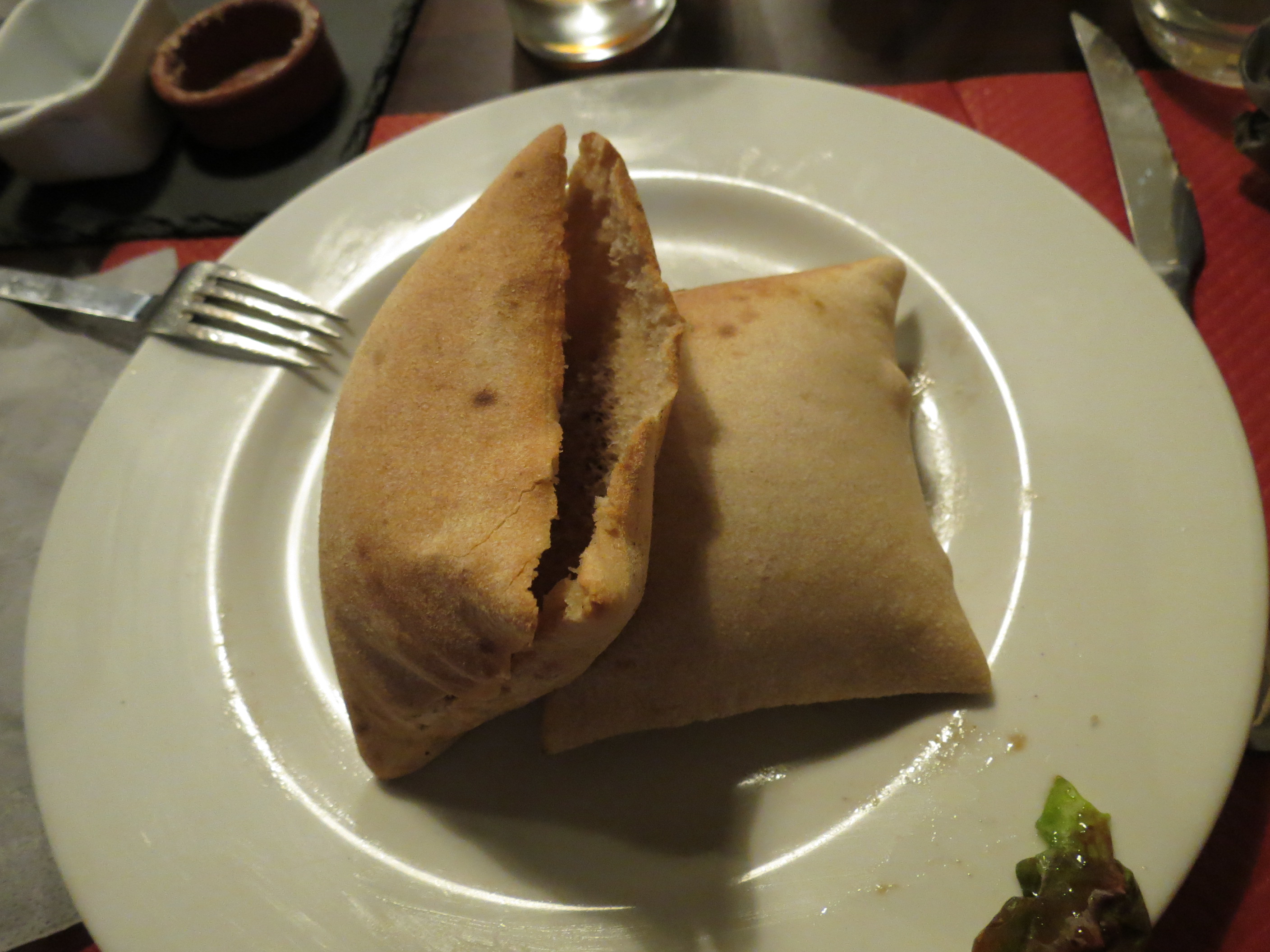
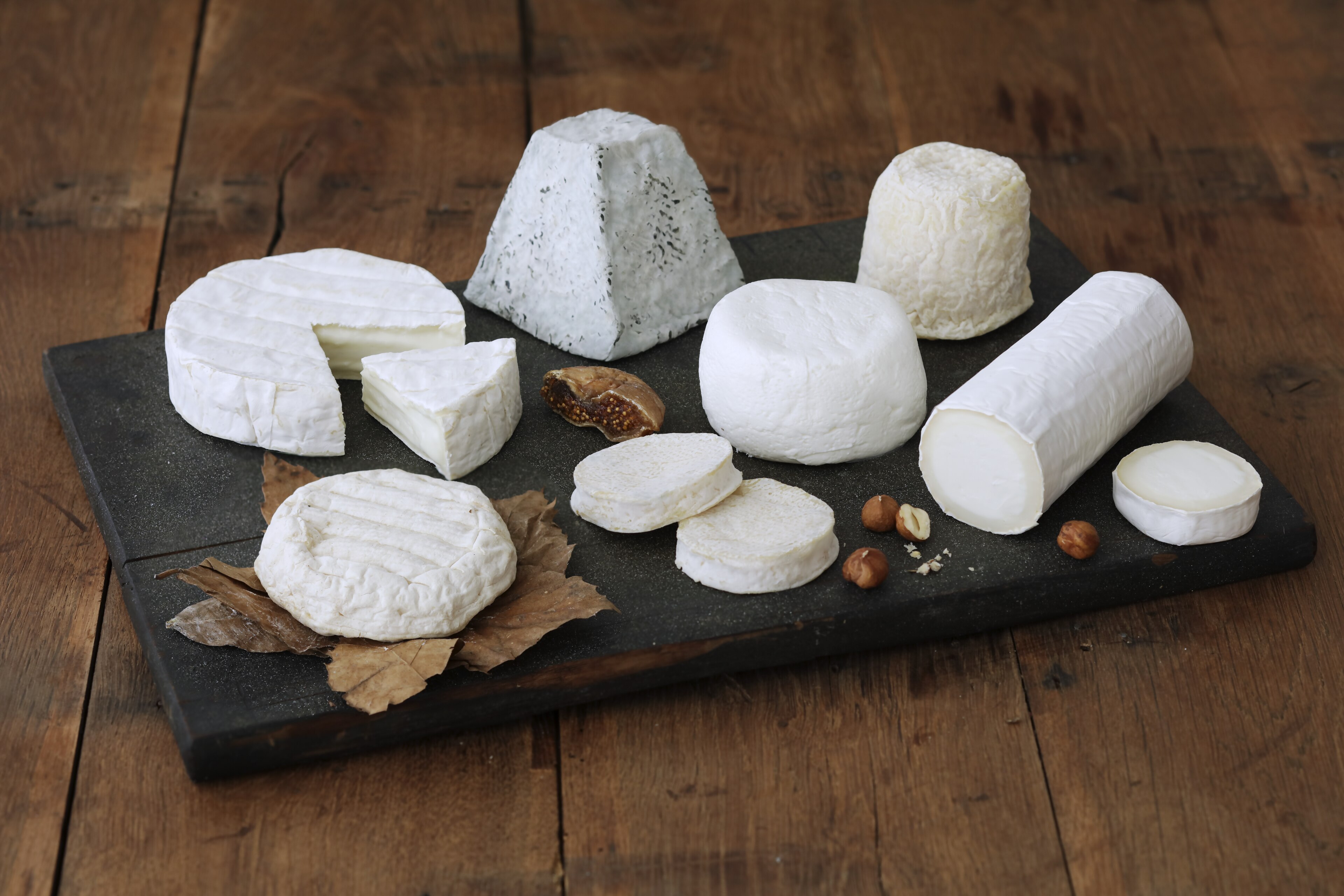
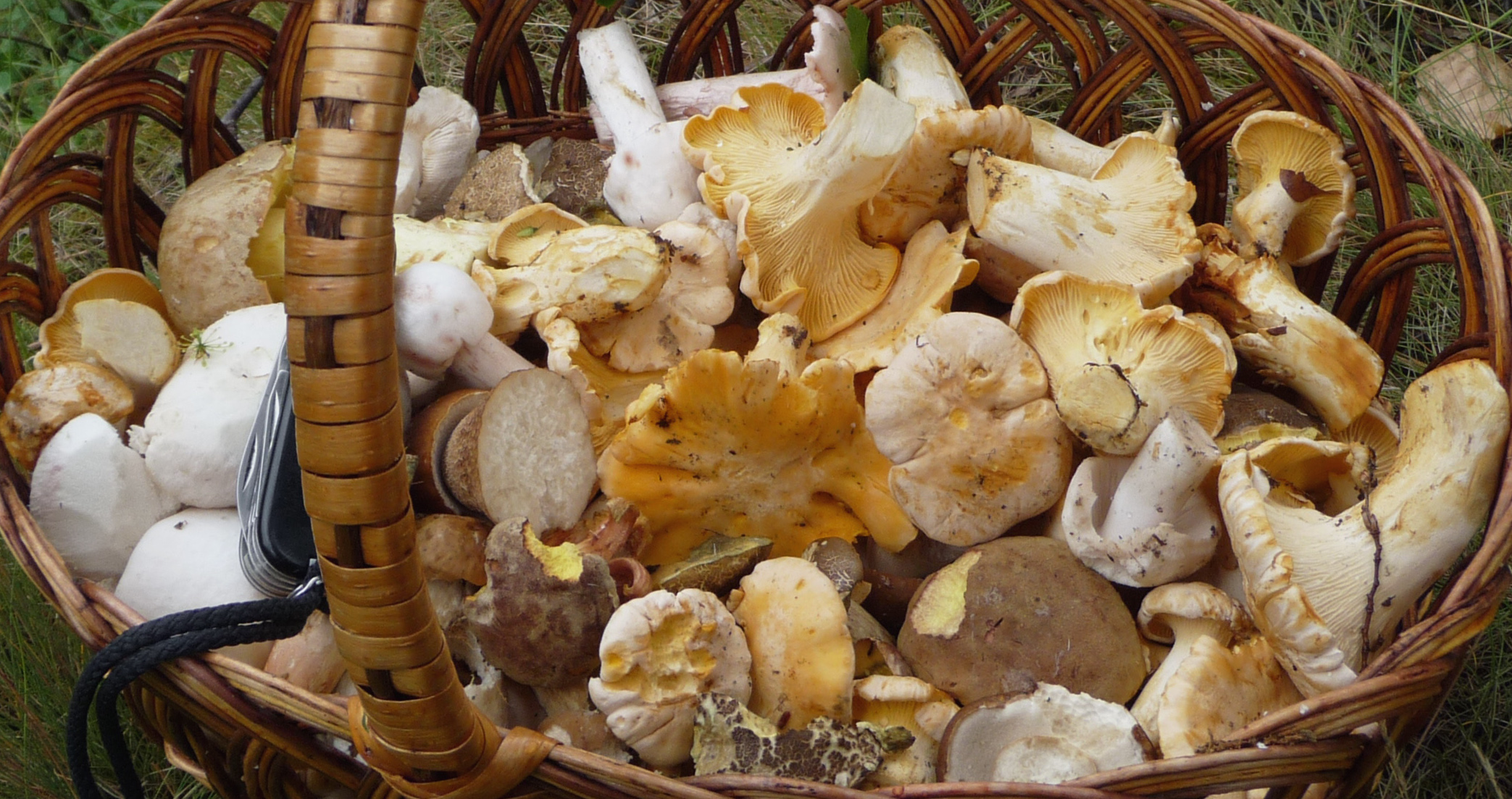
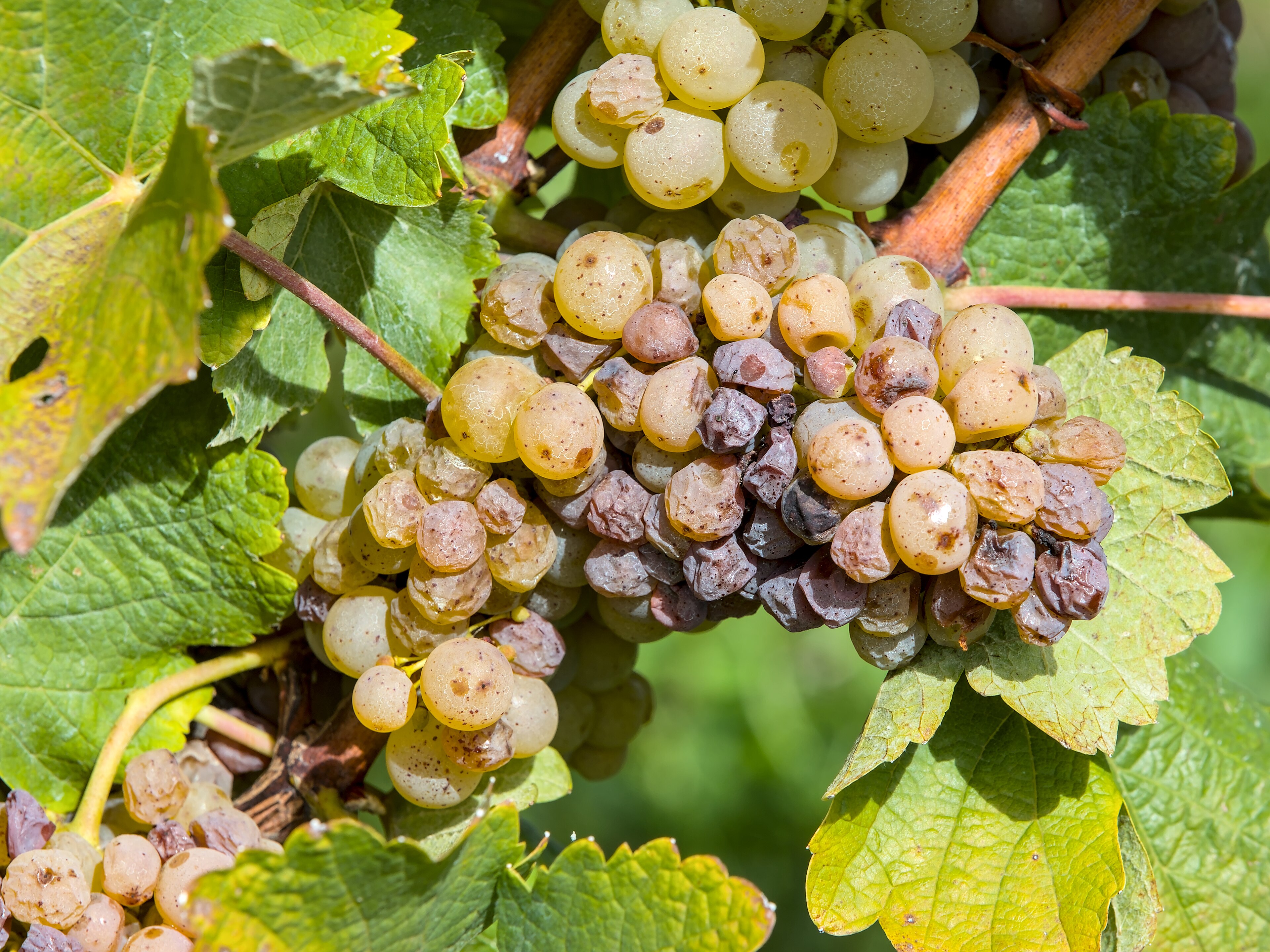
Anjou cuisine features freshwater fish with beurre blanc, rillauds (Anjou pork), fouées, goat cheeses, and mushrooms, paired with Anjou and Loire wines (Savennières whites, Coteaux du Layon sweet wines, Anjou and Saumur reds and rosés). The local Cointreau liqueur is an emblem. The old town around the château and the Doutre quarter concentrate restaurants and wine bars; the covered market supplies picnics.
Where to Stay
Each shaded circle marks one of the areas below, in its banner colour — tap a circle to open it in Google Maps.
Getting around — A modern tram and bus network (Irigo) plus a walkable centre make getting around easy without a car.
Practical Notes
Transportation
- Getting in (no car): TGV from Paris Montparnasse to Angers-Saint-Laud (~1 hr 30 min); frequent regional trains from Tours, Saumur, and Nantes.
- Getting in (with car): Off the A11; central paid parking.
- Getting around (no car): Two tram lines and buses serve the city; the centre is walkable; bikes available for the Loire à Vélo and city routes.
- Getting around (with car): Useful for non-rail châteaux (Brissac, Plessis-Bourré) and vineyards.
- Transit tips: The TGV makes Angers one of the fastest western-Loire bases from Paris; the tram links the station to the centre.
Good to Know
- Safety: A safe, youthful city; usual precautions at night around nightlife areas.
- Timing: Spring–autumn for gardens, river, and vineyards; the city stays lively year-round thanks to its students.
- Etiquette: Standard French courtesies.
- Costs: Affordable; good-value dining due to the student population.
Notable Insights
Insights
- Cultural: Angers pairs the world's largest medieval tapestry with a modern tapestry response, a rare dialogue across six centuries.
- Budget patterns: Cheap — market picnics, free cathedral, riverside walks, student bistros. Mid — château and museum tickets, central hotels, vineyard visits. Luxury — château-hotels (e.g., Brissac area) and fine Anjou dining.
Tips & Timing
- Timing/crowds: Less crowded than the central château towns; the Apocalypse Tapestry is best appreciated unhurried.
- Standout: Angers is the most city-like western-Loire base — strong museums, green spaces, and fast Paris access — with the Apocalypse Tapestry as a singular must-see.