An Overture
Bayeux is a small, intact medieval town in Lower Normandy that serves as the premier base for visiting the D-Day landing beaches. It was the first French town liberated after the 1944 invasion and escaped wartime destruction, leaving a Gothic cathedral, half-timbered houses, and a watermill-lined stream in its compact centre. Its defining draw is the 11th-century Bayeux Tapestry, a 70-metre embroidered chronicle of the Norman Conquest of England. Walkable, atmospheric, and well connected by rail to Paris and Caen, Bayeux balances a manageable historic core with proximity to the beaches, cemeteries, and memorials of the Normandy coast.
Top Things to Do
Bayeux Tapestry (Tapisserie de Bayeux)
A UNESCO-listed embroidered narrative of William the Conqueror's 1066 invasion of England.
Insider tip — Buy timed tickets; audioguide included and essential; allow about an hour; can close for periods of restoration, so check ahead.
Bayeux Cathedral (Notre-Dame)
A Gothic-Romanesque cathedral, the tapestry's original home.
Insider tip — Free entry; floodlit at night; crypt and chapter house worth seeing.
Musée Mémorial de la Bataille de Normandie
Comprehensive museum on the 1944 Battle of Normandy.
Insider tip — Pairs well with the nearby British war cemetery; ticket required.
Bayeux War Cemetery
The largest Commonwealth WWII cemetery in France.
Insider tip — Free; quiet and moving; across from the battle museum.
MAHB (Musée d'Art et d'Histoire Baron Gérard)
Local art, lace, and porcelain in the former bishop's palace.
Insider tip — Combined tickets available with the tapestry.
Walking Tours
Old town circuit
Links the cathedral, the pedestrian Rue Saint-Jean, the old houses and waterwheels along the Aure, and the Tapestry museum.
Cathédrale Notre-Dame de Bayeux → Rue Saint-Jean (pedestrian) → Rue du Bienvenu (Aure waterwheels) → Musée de la Tapisserie de Bayeux
Liberation & British Cemetery
The Battle of Normandy museum, the reporters' memorial, and the Commonwealth war cemetery — the largest British WWII cemetery in France.
Musée Mémorial de la Bataille de Normandie → Mémorial des reporters → Bayeux War Cemetery
Day Trips & Beyond
D-Day Beaches
Omaha and Utah (American), Gold, Juno, Sword (British/Canadian). Highlights: Pointe du Hoc, Arromanches (Mulberry harbour remains and 360° cinema), the German batteries at Longues-sur-Mer. Experience/Tickets: Beaches free; museums ticketed. Getting there: Best via a guided half/full-day tour from Bayeux; a limited seasonal bus (Bus Vert) reaches Arromanches and Omaha-area sites, but tours give far better coverage.
SearchNormandy American Cemetery (Colleville-sur-Mer)
Above Omaha Beach; free; profoundly moving. Getting there: Tour or seasonal bus.
SearchArromanches-les-Bains
Seaside village built around the artificial-harbour remains. Getting there: Seasonal bus or tour, ~20 min.
SearchHidden Gems
Longues-sur-Mer Battery
Rare surviving German coastal guns still in their bunkers; free and evocative.
SearchThe Aure waterwheels & old tannery quarter
A quiet, photogenic riverside corner of the old town.
SearchEvening cathedral floodlighting
The town is calm and beautifully lit once day-trippers leave.
SearchFood & Dining
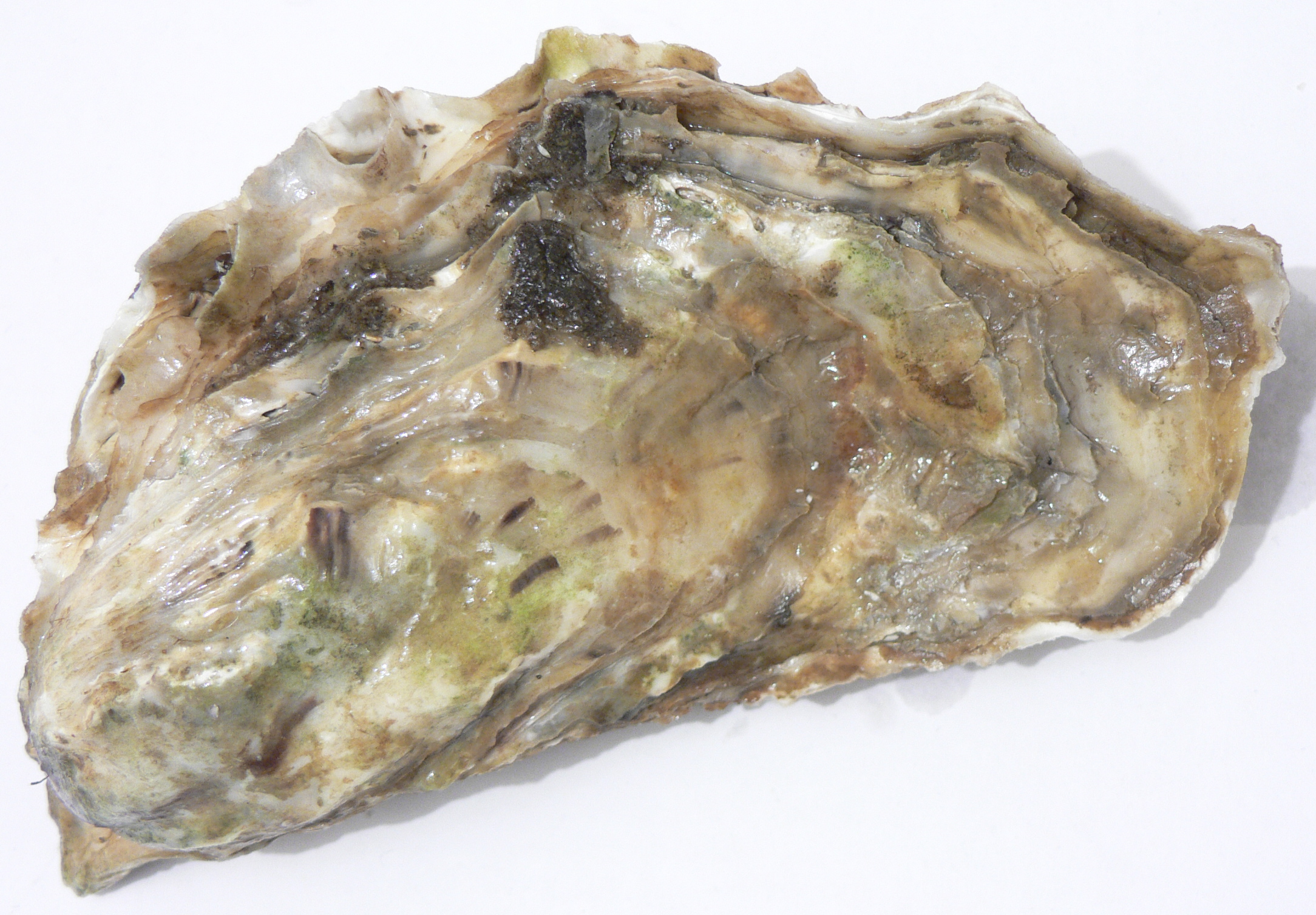
Expect Norman classics: seafood and oysters from the nearby coast, mussels (moules), Normandy cheeses (camembert, livarot, pont-l'évêque), cider and Calvados, and galettes/crêpes. The pedestrian streets around the cathedral and Rue Saint-Jean concentrate restaurants and creperies. Buy picnic supplies for beach-tour days.
Where to Stay
Each shaded circle marks one of the areas below, in its banner colour — tap a circle to open it in Google Maps.
Getting around — Bayeux is small enough to need no local transport on foot; a car or tour is for the beaches only.
Practical Notes
Transportation
- Getting in (no car): Direct trains from Paris Saint-Lazare (~2 hr 15 min, often via Caen) and frequent service from Caen (~20 min).
- Getting in (with car): Off the N13; easy parking compared with bigger cities.
- Getting around (no car): The town is fully walkable. For the beaches, use guided tours (many depart from Bayeux) or the seasonal Bus Vert coastal lines.
- Getting around (with car): A car gives the most flexibility for the dispersed D-Day sites, but tours remove the need.
- Transit tips: Book a beach tour in advance in summer; the train station has direct Paris and Caen links.
Good to Know
- Safety: Very safe small town; standard precautions.
- Timing: June (D-Day anniversary, around the 6th) brings ceremonies and crowds; spring and early autumn are pleasant and quieter. Many beach museums close in winter.
- Etiquette: War cemeteries and memorials warrant quiet, respectful behaviour.
- Costs: Moderate; cheaper than Paris, with tour costs the main expense.
Notable Insights
Insights
- Cultural: Bayeux is the most rewarding single base for understanding the D-Day landings, thanks to its tour operators.
- Budget patterns: Cheap — creperies, picnics, free cemeteries and cathedral. Mid — guided beach tours, central guesthouses. Luxury — château-hotels in the surrounding countryside.
Tips & Timing
- Timing/crowds: Visit the tapestry early; do beaches as a full-day tour; enjoy the quiet town in the evening.
- Standout: Combining the 11th-century Tapestry (a conquest of England) with the 20th-century beaches (a liberation of France) makes Bayeux a uniquely layered history base.