An Overture
Paris is the capital of France and the natural gateway to Normandy and the Loire Valley. Compact by big-city standards and built around the River Seine, it rewards walking, with most landmarks concentrated in a walkable core split between the Right Bank (Louvre, grand boulevards, Marais) and the Left Bank (Latin Quarter, Saint-Germain). What defines Paris is the density of world-class museums, monumental architecture, café culture, and distinct neighbourhood character within a small footprint. Its highlights — the Eiffel Tower, Louvre, Notre-Dame, and Montmartre — anchor any visit, but the city's appeal lies equally in its markets, parks, and street life. As a base, it offers unmatched rail connections to the rest of the region and beyond.
Top Things to Do
Eiffel Tower
The iron landmark on the Champ de Mars; ascend by lift or stairs for panoramic views.
Insider tip — Book timed tickets online well in advance; summit access costs more than the second floor; sunset and evening (hourly sparkle on the hour after dark) are the best times. Open daily, late into the evening.
Louvre
The world's largest art museum, home to the Mona Lisa and Venus de Milo.
Insider tip — Buy timed tickets online; closed Tuesdays; enter via the Carrousel or Porte des Lions to skip the pyramid queue. Allow at least half a day; free first-Friday evenings (limited periods).
Musée d'Orsay
Impressionist and post-Impressionist masterpieces in a former railway station.
Insider tip — Closed Mondays; less crowded than the Louvre; the fifth-floor clock and Monet/Van Gogh galleries are highlights.
Notre-Dame Cathedral
The Gothic cathedral on Île de la Cité, reopened after the 2019 fire restoration.
Insider tip — Free entry to the nave; expect queues; the surrounding island and nearby Sainte-Chapelle (stunning stained glass) are worth pairing.
Montmartre & Sacré-Cœur
Hilltop district with the white basilica, artists' square (Place du Tertre), and city views.
Insider tip — The basilica is free; arrive early to avoid crowds; the funicular saves the climb.
Arc de Triomphe & Champs-Élysées
Monumental arch with a rooftop viewing terrace at the top of the famous avenue.
Insider tip — Use the underground passage to reach it; rooftop ticket required; great Eiffel Tower views.
Musée Rodin & Musée de l'Orangerie
Smaller, manageable museums (Rodin's sculpture garden; Monet's Water Lilies).
Insider tip — Both far less crowded than the major museums; ideal for shorter visits.
Walking Tours
Seine, Islands & the Louvre
The UNESCO-listed riverside core: from the Tuileries across the pedestrian Pont des Arts to the two river islands, threading the quiet Place Dauphine, Sainte-Chapelle, Notre-Dame and the tip-of-island viewpoint, finishing on Île Saint-Louis.
Jardin des Tuileries → Pont des Arts → Square du Vert-Galant (river viewpoint) → Place Dauphine → Sainte-Chapelle → Notre-Dame de Paris → Pont Saint-Louis → Rue Saint-Louis en l'Île (Berthillon)
Le Marais
Pre-Haussmann Paris: the Jewish quarter's Rue des Rosiers, the arcaded Place des Vosges, mansion museums, and the city's oldest covered market, ending at the Pompidou.
Hôtel de Ville → Rue des Rosiers (L'As du Fallafel) → Place des Vosges → Musée Carnavalet → Rue Vieille du Temple → Marché des Enfants Rouges → Centre Pompidou
Latin Quarter & Saint-Germain
From the riverside bookshop opposite Notre-Dame up through the medieval Cluny quarter to the Panthéon, the literary cafés of Saint-Germain, the Luxembourg gardens, and down the market street Rue Mouffetard (bracketed from Place de la Contrescarpe to Saint-Médard).
Shakespeare and Company → Place Saint-Michel → Musée de Cluny → Les Deux Magots (Saint-Germain) → Jardin du Luxembourg → Panthéon → Place de la Contrescarpe → Rue Mouffetard (Saint-Médard)
Montmartre village & Sacré-Cœur
The hill's village core: up Rue Lepic past the Moulin de la Galette, along the painted Rue de l'Abreuvoir, through the artists' Place du Tertre to the basilica terrace — the city's great free overlook.
Place des Abbesses → Rue Lepic (Moulin de la Galette) → Rue de l'Abreuvoir (La Maison Rose) → Place du Tertre → Sacré-Cœur (terrace viewpoint)
Canal Saint-Martin
The northeast canal: iron footbridges and locks past the Hôtel du Nord, up the leafy Quai de Valmy to the wide Bassin de la Villette — a younger, local riverside.
Place de la République → Hôtel du Nord (Quai de Jemmapes) → Quai de Valmy (Point Éphémère) → Bassin de la Villette
Day Trips & Beyond
Versailles
The vast royal palace, Hall of Mirrors, and gardens. Experience/Tickets: Book timed entry; closed Mondays; gardens have musical fountain shows in season. Getting there: RER C to Versailles Château–Rive Gauche (~40 min).
SearchGiverny (Monet's Garden)
Covered in its own destination file; reachable by train to Vernon plus shuttle.
SearchChartres
Gothic cathedral with original stained glass and a medieval old town. Getting there: ~1 hr 10 min by train from Gare Montparnasse.
SearchFontainebleau
Renaissance château and forest, quieter than Versailles. Getting there: Train from Gare de Lyon to Fontainebleau-Avon (~40 min) + bus.
SearchHidden Gems
Sainte-Chapelle
A jewel-box chapel with 15 towering stained-glass windows; book ahead and aim for sunny days.
SearchPère Lachaise Cemetery
Atmospheric resting place of Chopin, Wilde, Morrison, and Piaf; free, vast, and quiet.
SearchPromenade Plantée (Coulée verte)
Elevated park atop a former rail viaduct (inspiration for New York's High Line).
SearchCovered passages
19th-century glass-roofed arcades (Galerie Vivienne, Passage des Panoramas) hidden in the Right Bank.
SearchRooftop & rooftop bars
Galeries Lafayette's free rooftop terrace gives a central panorama at no cost.
SearchFood & Dining
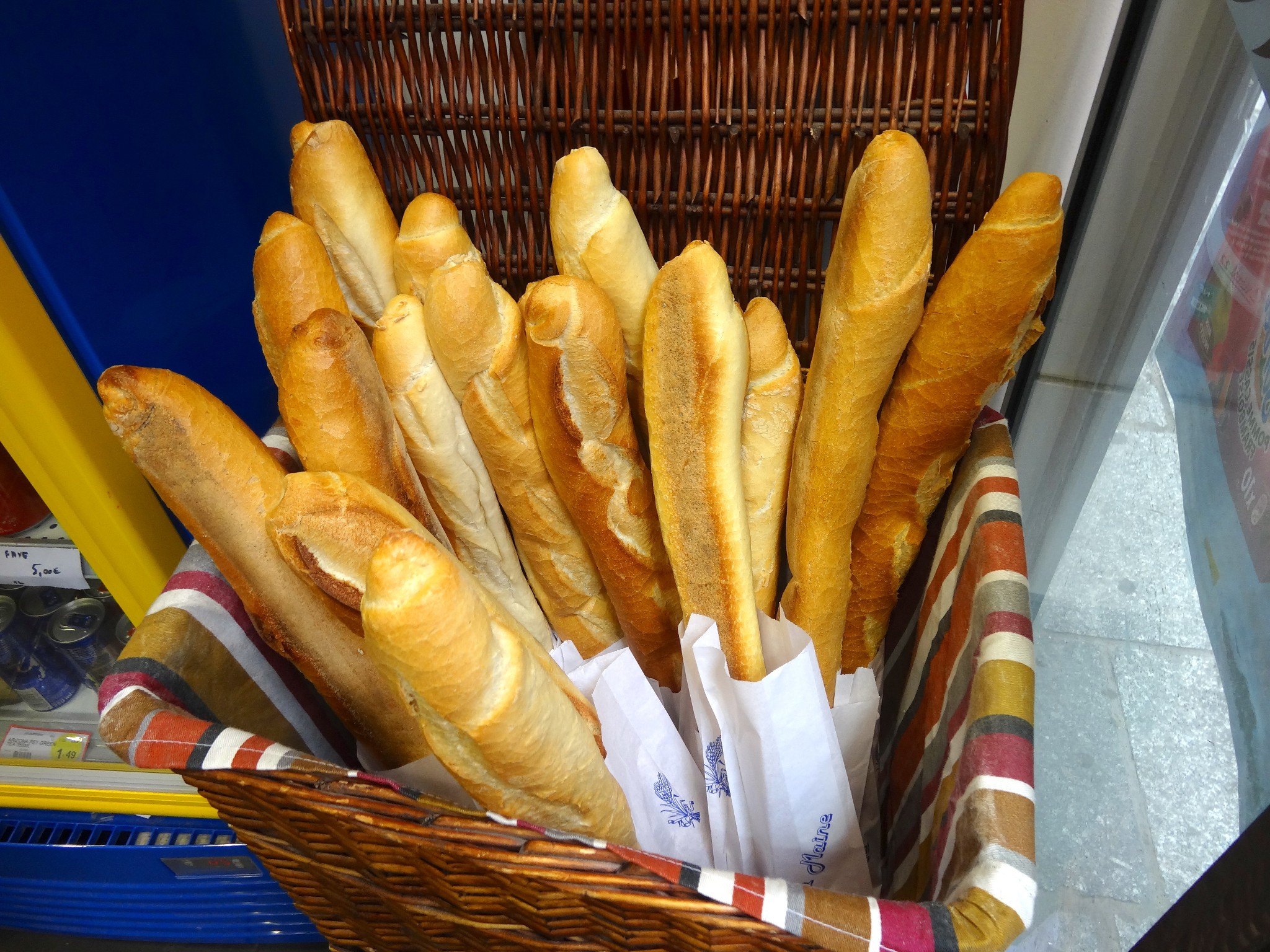


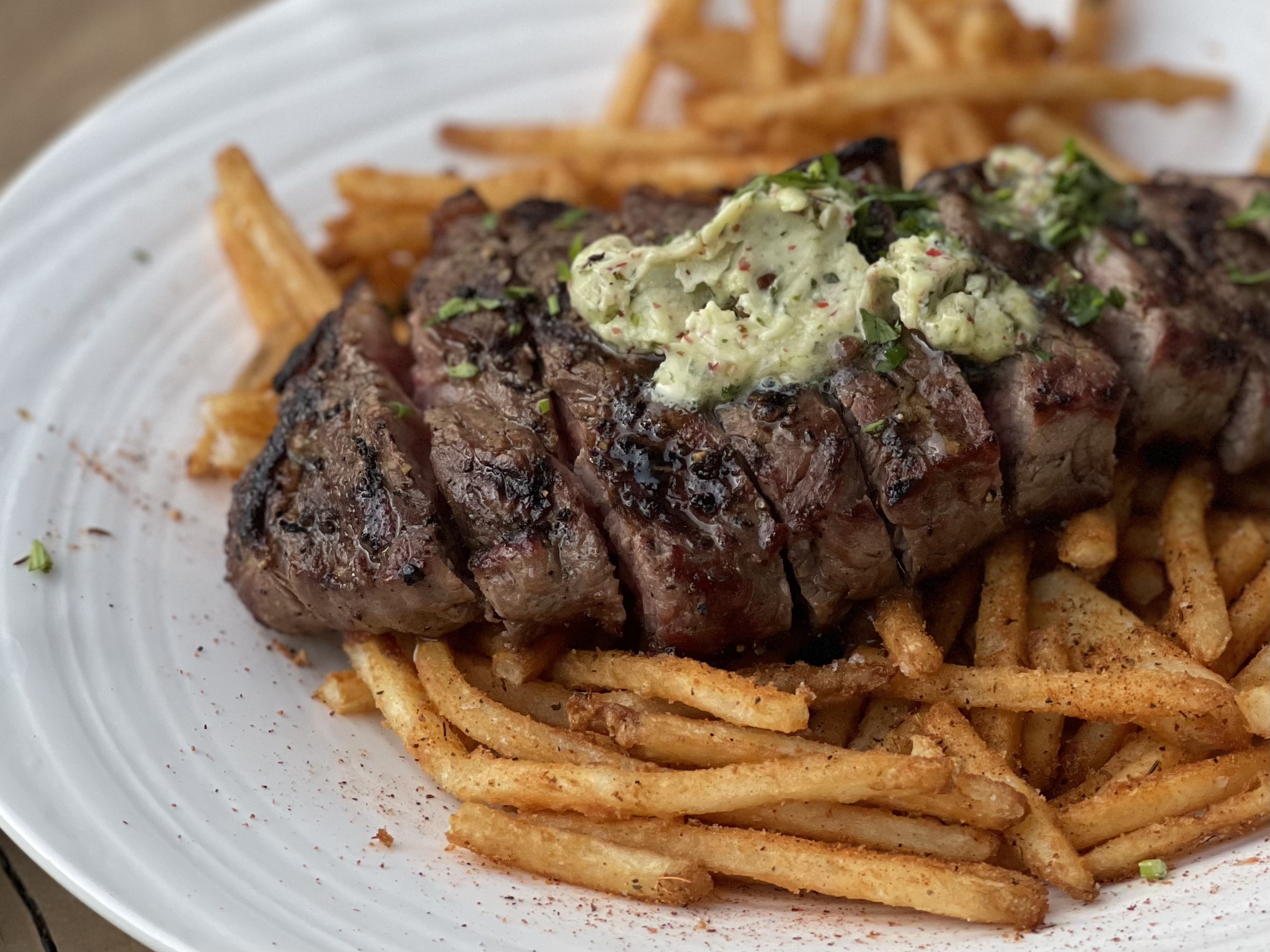
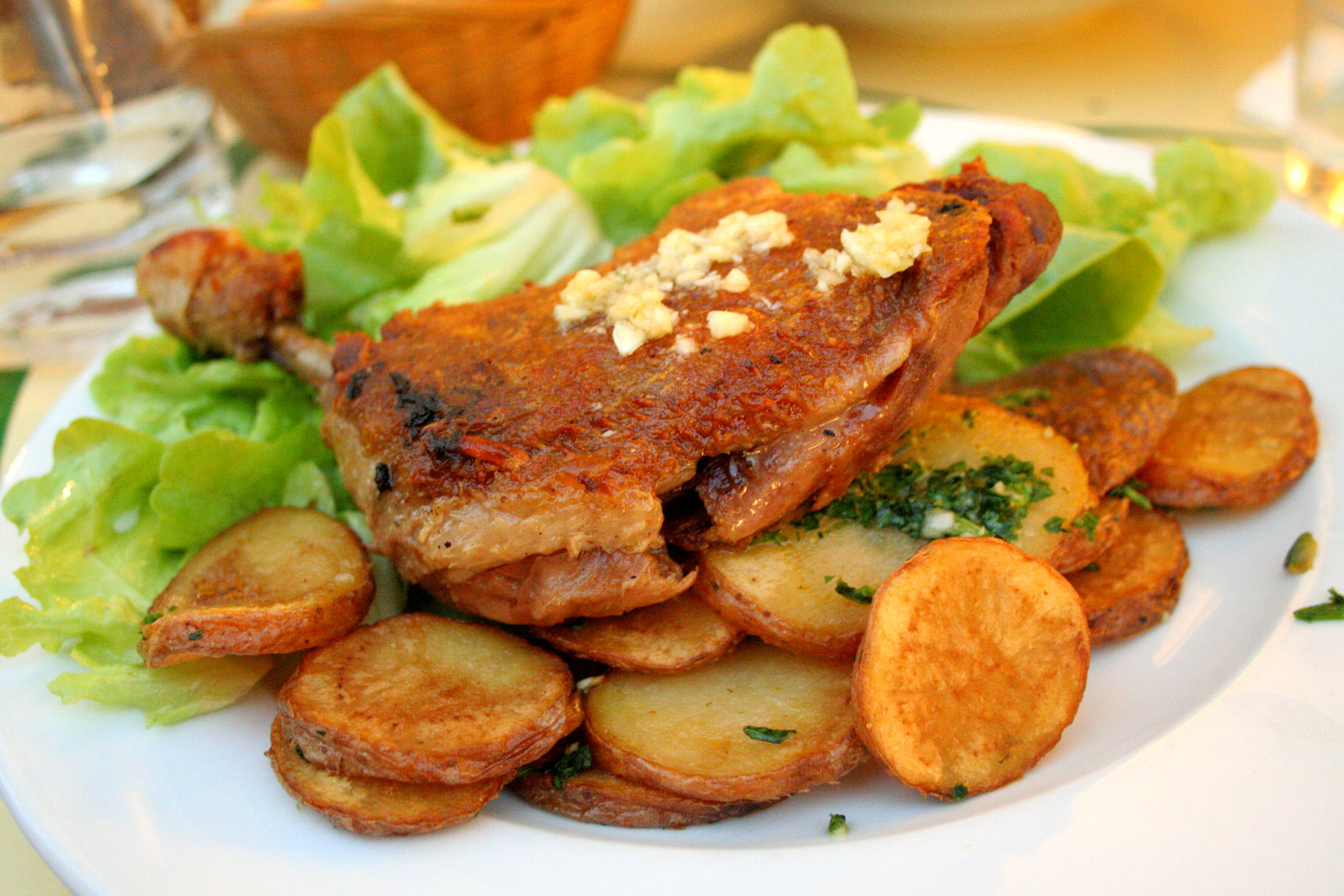
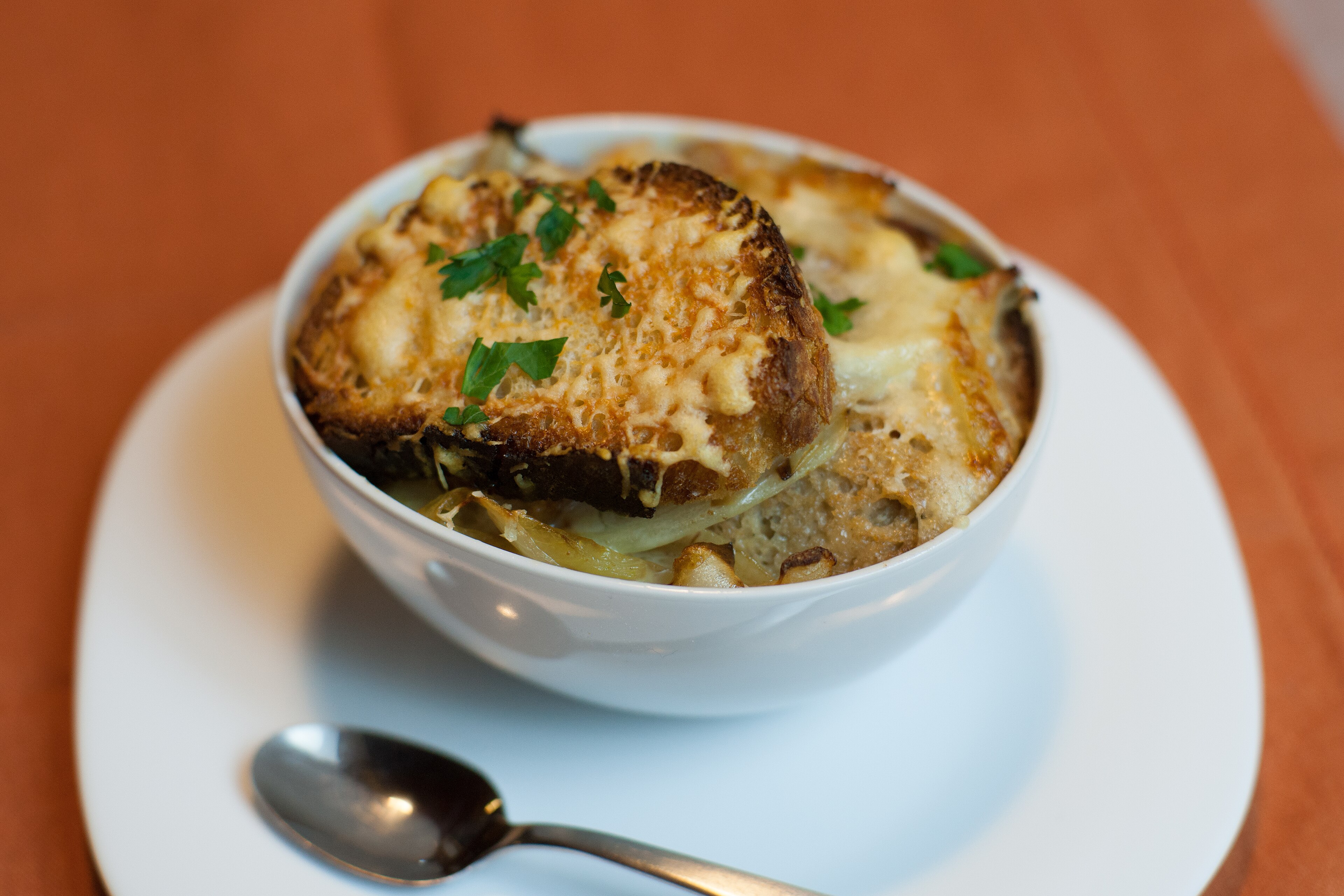
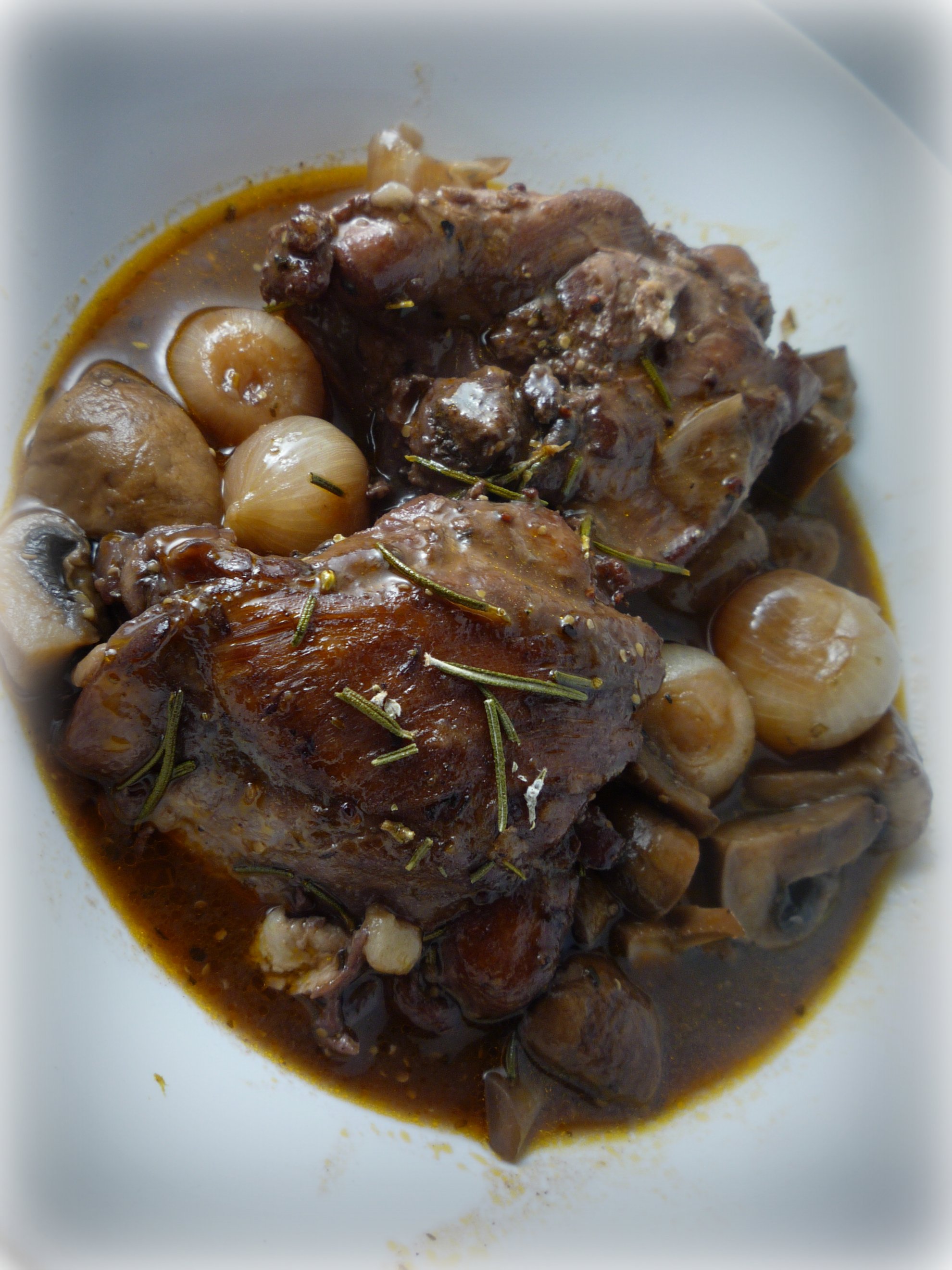

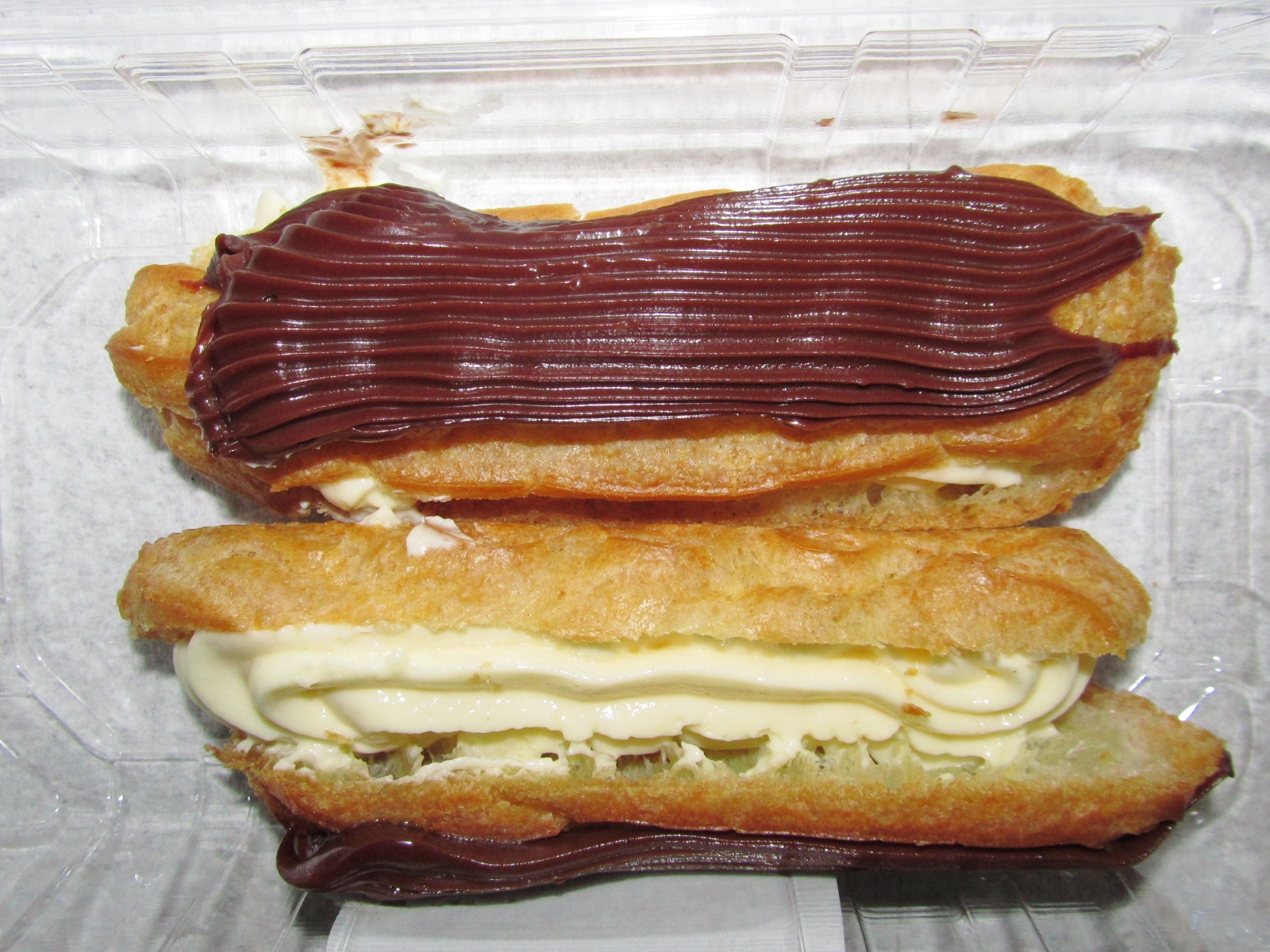
Signature experiences include the neighbourhood boulangerie (baguette, croissant, pain au chocolat), bistro classics (steak-frites, duck confit, French onion soup, coq au vin), fromageries and wine bars, and patisseries (macarons, éclairs). Seek out areas like Rue Montorgueil (market street), Le Marais (falafel on Rue des Rosiers, trendy spots), Canal Saint-Martin and the 11th arrondissement (modern bistros), and Saint-Germain (historic cafés like Les Deux Magots). For value, eat the formule (set lunch) rather than dinner, and avoid restaurants directly facing major monuments.
Where to Stay
Each shaded circle marks one of the areas below, in its banner colour — tap a circle to open it in Google Maps.
Getting around — Getting around is easiest by Métro; choose accommodation within a short walk of a station on a useful line.
Practical Notes
Transportation
- Getting in (no car): Two main airports — Charles de Gaulle (CDG, RER B / RoissyBus / trains) and Orly (Orlyval + RER, tram, or Orlybus). Six major rail terminals connect the rest of France: Gare du Nord (north/Eurostar), Saint-Lazare (Normandy — Rouen, Le Havre, Deauville), Montparnasse (Loire TGV — Tours, Angers; also Chartres), Austerlitz (Orléans/Loire), Gare de Lyon (southeast), Gare de l'Est (east).
- Getting in (with car): Possible but not recommended; traffic, low-emission zone (Crit'Air sticker required), and expensive parking.
- Getting around (no car): The Métro (16 lines) is the backbone, supplemented by RER, buses, trams, and Vélib' bikes. Buy a Navigo Easy card or use contactless; day passes and the single fare are simple options. Walking covers much of the centre.
- Getting around (with car): Avoid; the centre is congested and many streets are restricted.
- Transit tips: Keep your ticket until you exit; pickpockets work crowded Métro lines and tourist sites; taxis and Uber are plentiful but slower than the Métro at peak times.
Good to Know
- Safety: Generally safe; main risk is pickpocketing around the Eiffel Tower, Louvre, Montmartre, and on Métro lines 1 and 4. Watch for petition and friendship-bracelet scams near monuments.
- Timing: Spring (Apr–Jun) and autumn (Sep–Oct) are ideal. August is hot and many local businesses close; many museums close one day weekly (often Monday or Tuesday).
- Etiquette: Greet with "Bonjour" before asking anything; a basic attempt at French is appreciated. Service is included (service compris); small rounding is sufficient.
- Costs: Expensive overall; save with set lunches, bakery meals, picnics in parks, and free monuments (many museums free first Sunday of the month).
Notable Insights
Insights
- Cultural/etiquette: Politeness markers matter; speak quietly in restaurants; don't expect fast service — meals are unhurried.
- Budget patterns: Cheap — bakeries, markets, picnics, free museum days, walking. Mid — bistro set lunches, neighbourhood hotels, Métro passes. Luxury — Michelin dining, palace hotels, private river dinners.
Tips & Timing
- Timing/crowds: Book all major sites online with timed entry; visit blockbuster museums at opening or late on extended-hours evenings; weekday mornings are calmest.
- Standout: The city is best experienced on foot between sights rather than rushing between them; the Seine-side walk at dusk and the Eiffel Tower's hourly sparkle are reliably memorable.