An Overture
Rouen is the historic capital of Normandy and one of France's great medieval cities, set on the River Seine about 90 minutes northwest of Paris by train. Its defining features are an exceptionally preserved old town of half-timbered houses, a soaring Gothic cathedral immortalised by Monet, and a layered history that runs from Joan of Arc's 1431 execution here to its role as a Norman ducal seat. Compact and entirely walkable, Rouen blends working city and tourist appeal, with pedestrian shopping streets, an astronomical clock, and riverside redevelopment. It makes a strong base for the Seine valley, abbeys, and as a first stop into Normandy from Paris.
Top Things to Do
Rouen Cathedral (Notre-Dame)
A masterpiece of Gothic architecture whose west façade Monet painted in a famous series.
Insider tip — Free entry; the cast-iron spire is among the tallest in France; a summer light show projects Monet's paintings onto the façade after dark.
Gros-Horloge
A 14th-century astronomical clock spanning an arch over a pedestrian street, with a climbable belfry.
Insider tip — Ticket required for the tower; great rooftop views and an audioguide included.
Old Town (Vieux Rouen)
Hundreds of half-timbered houses along streets like Rue du Gros-Horloge and Rue Saint-Romain.
Insider tip — Best explored on foot; busiest midday.
Place du Vieux-Marché & Church of Saint Joan of Arc
The square where Joan was burned at the stake, marked by a modern church with a dramatic roofline.
Insider tip — Free entry to the church; the square has a market and restaurants.
Musée des Beaux-Arts
Strong fine-arts collection including Impressionist works (Monet, Sisley).
Insider tip — Free permanent collection; closed Tuesdays.
Aître Saint-Maclou
A rare surviving medieval plague cemetery courtyard with macabre carved timbers.
Insider tip — Free; quiet and unusual.
Walking Tours
Old town circuit
From the Joan of Arc market square under the gilded Gros-Horloge to the cathedral, then the medieval Rue Saint-Romain, the plague atrium of Saint-Maclou, and the Abbatiale Saint-Ouen.
Place du Vieux-Marché → Gros-Horloge (pedestrian street) → Cathédrale Notre-Dame de Rouen → Rue Saint-Romain (medieval lane) → Église Saint-Maclou → Aître Saint-Maclou → Abbatiale Saint-Ouen
Seine riverside
The redeveloped left-bank quays along the Seine, pleasant for a stroll.
Quai de la Bourse → Pont Boieldieu → Quais rive gauche (promenade)
Côte Sainte-Catherine overlook
A climb on the east bank to the cliff panorama over the whole city and the looping Seine.
Pont Corneille → Panorama de la Côte Sainte-Catherine
Day Trips & Beyond
Giverny (Monet's Garden)
Getting there: Train toward Vernon, then shuttle/bike; combine via the Seine valley. Covered in its own file.
SearchHonfleur
Picturesque harbour town. Getting there: Bus or train connections via Le Havre; roughly 1.5–2 hours.
SearchLe Havre
UNESCO-listed post-war architecture by Auguste Perret. Getting there: ~50 min by train.
SearchSeine valley abbeys
Jumièges (romantic ruins) and Saint-Wandrille; Getting there: limited buses, easier with a tour or car.
SearchÉtretat
Chalk cliffs; Getting there: reachable by bus via Le Havre/Fécamp (see its own file).
SearchHidden Gems
Food & Dining
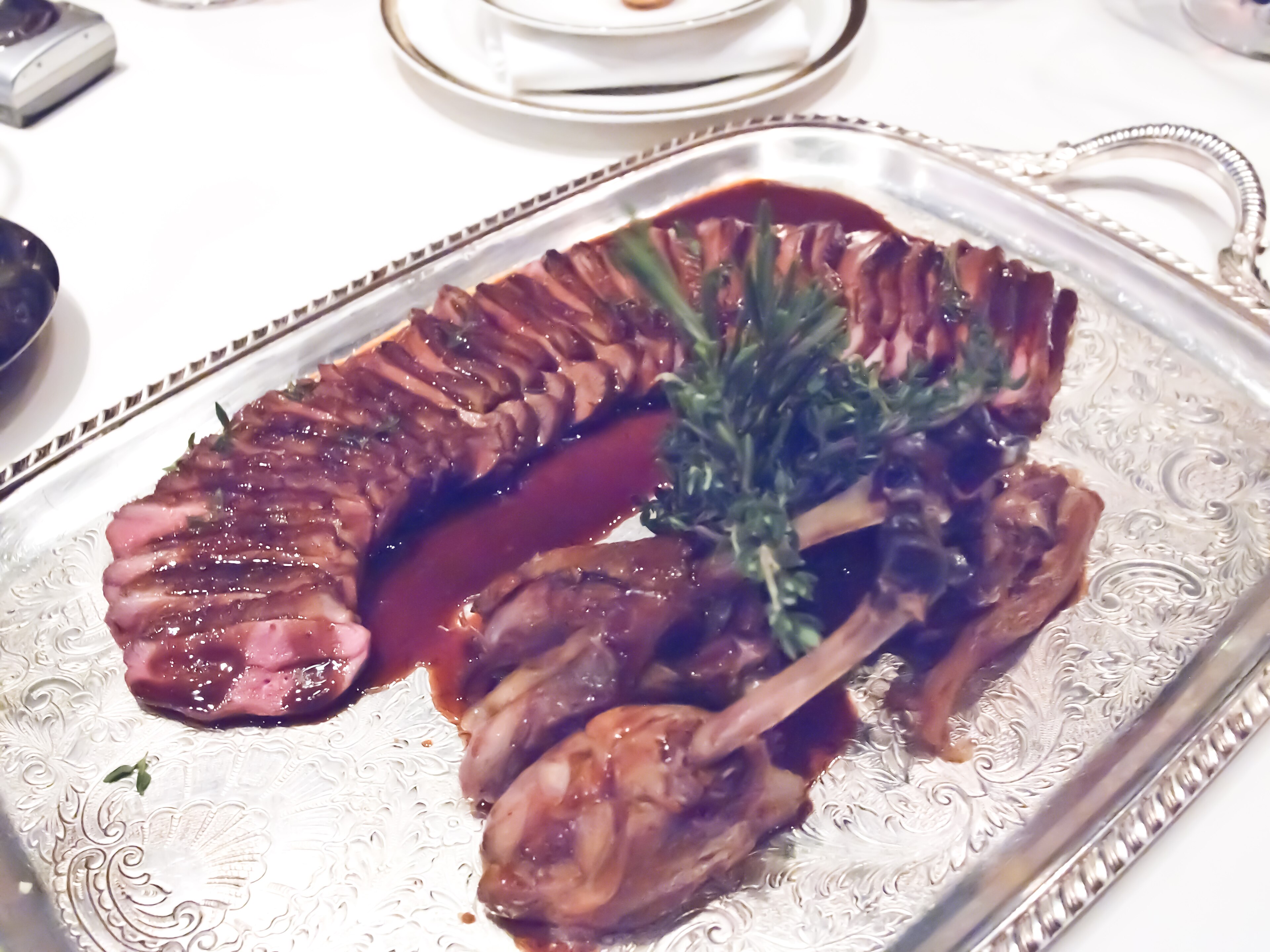
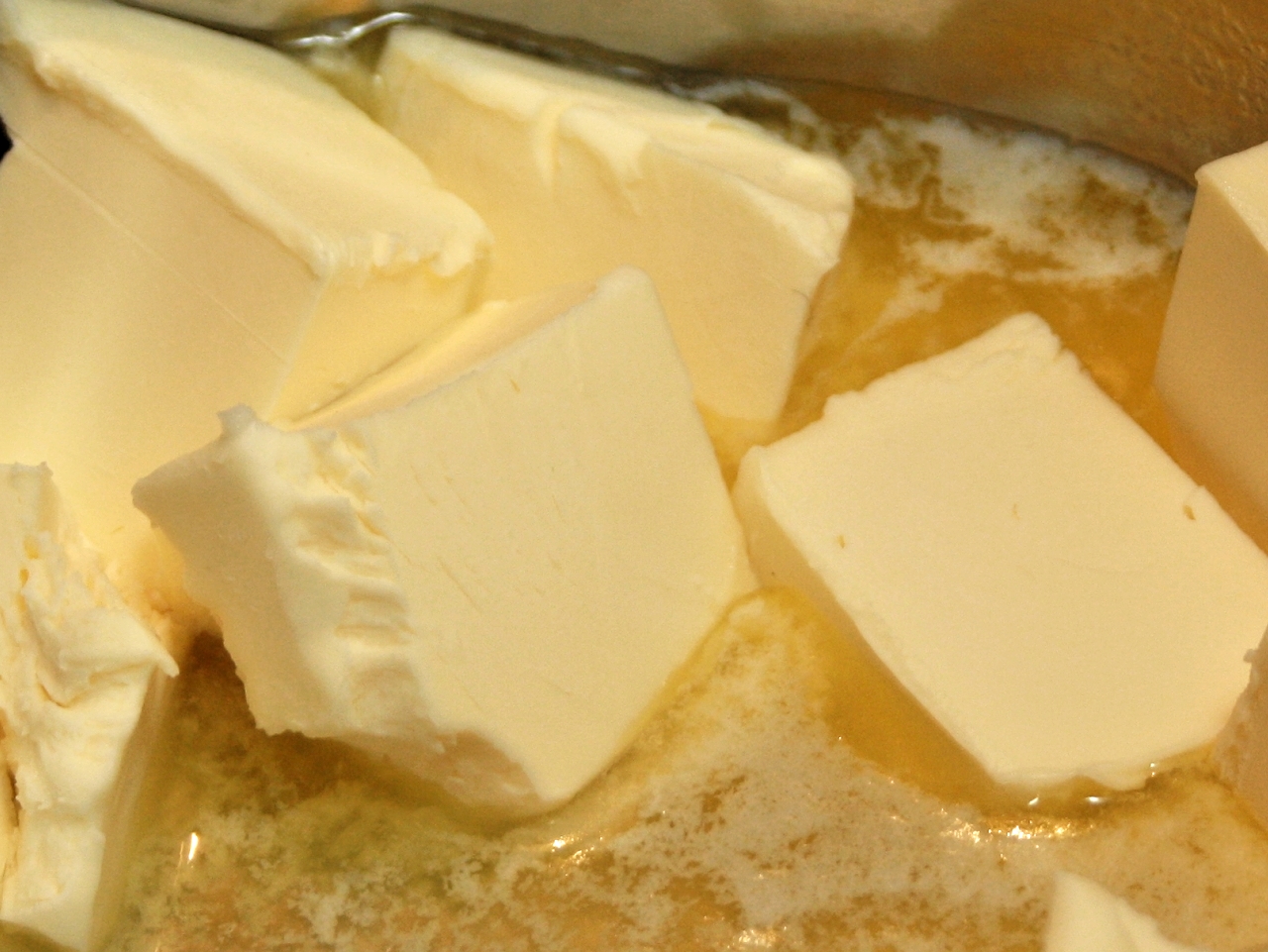
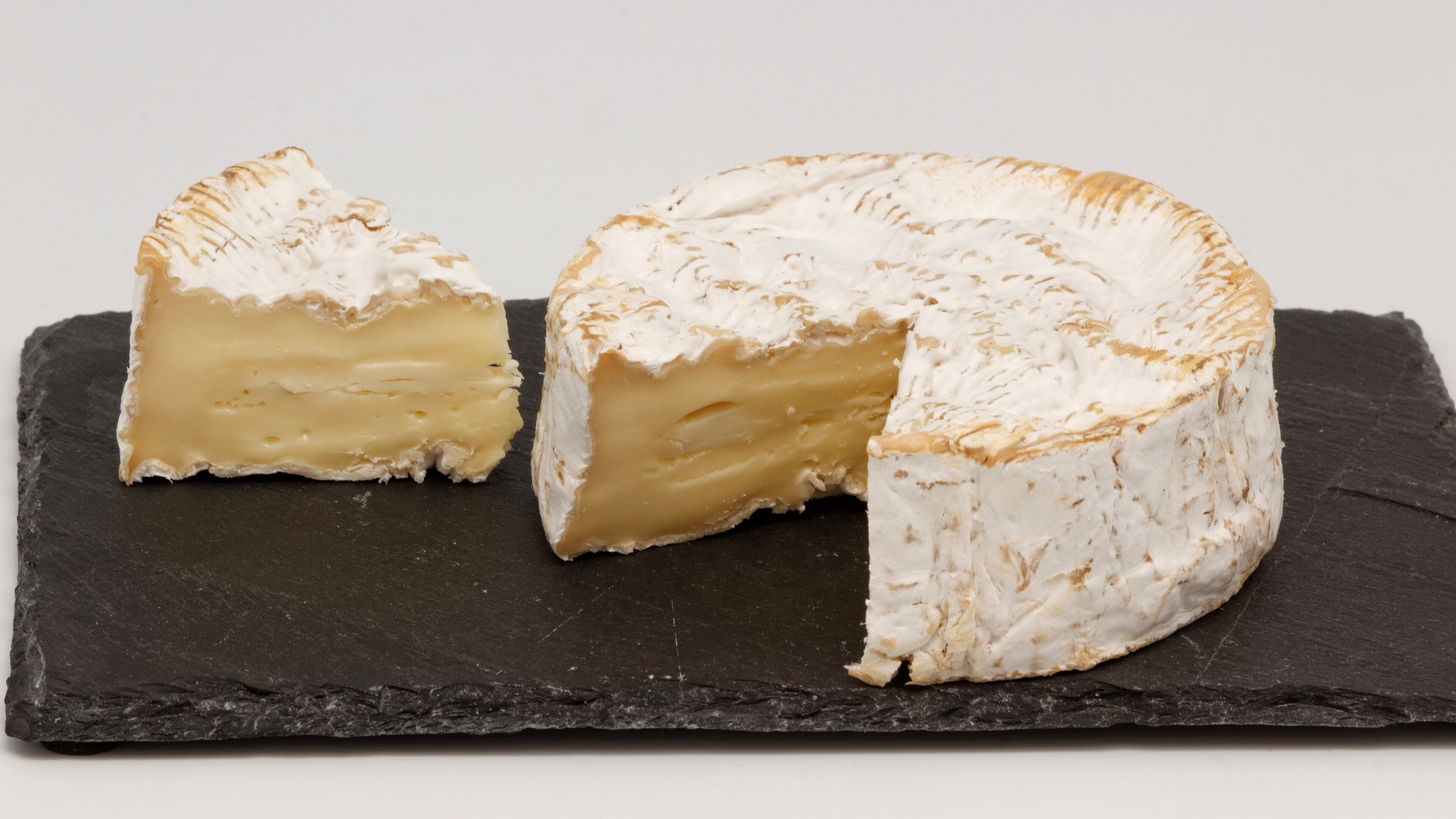
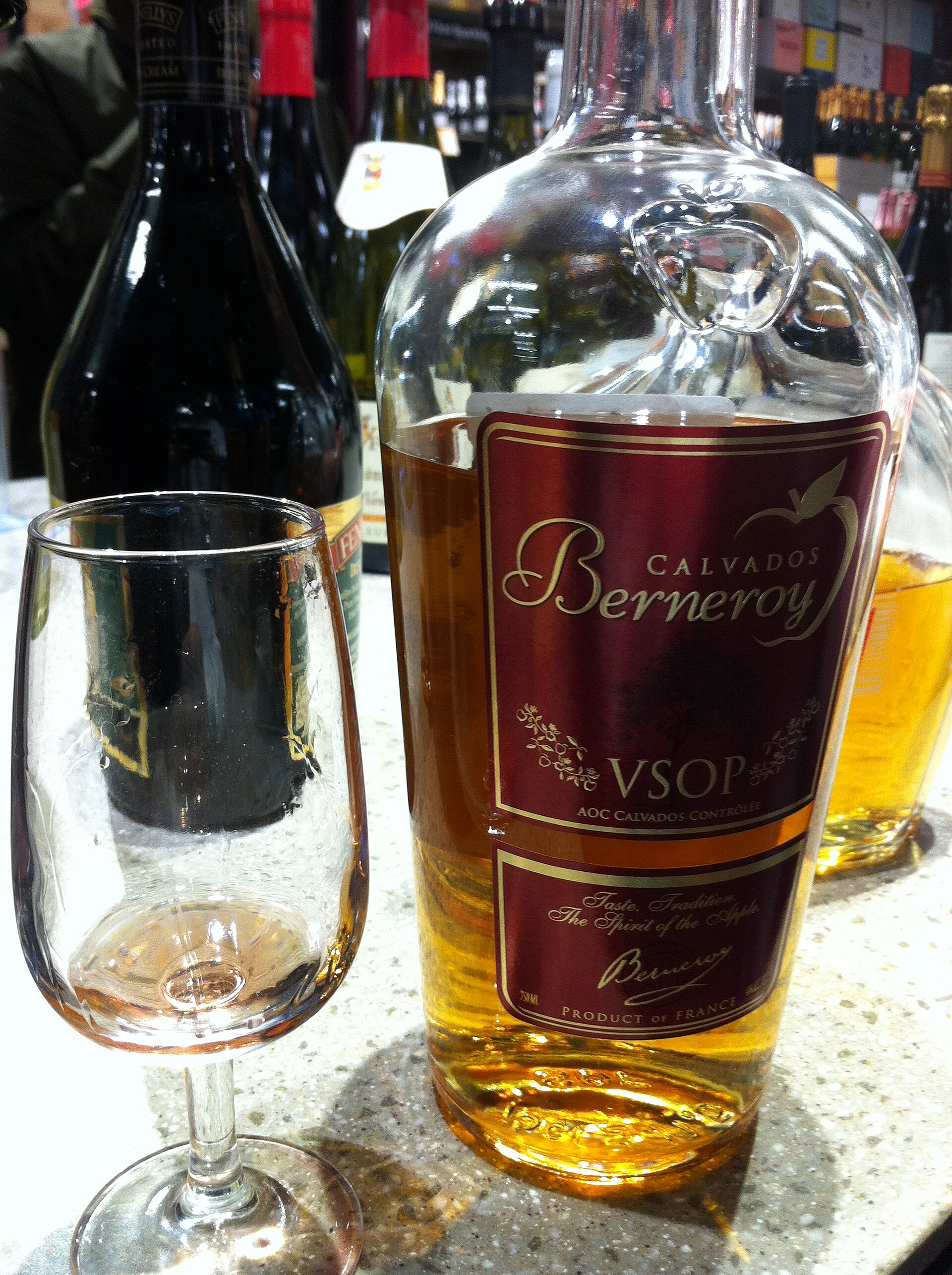
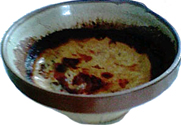
Norman cuisine dominates: canard à la rouennaise (Rouen-style duck), Normandy cream and butter sauces, camembert and other regional cheeses, cider and Calvados (apple brandy), and teurgoule (cinnamon rice pudding). Seek out bistros around Place du Vieux-Marché and Rue Martainville near Saint-Maclou; the covered market and pedestrian streets offer pastries and creperies. Pair meals with local cider rather than wine for an authentic Norman experience.
Where to Stay
Each shaded circle marks one of the areas below, in its banner colour — tap a circle to open it in Google Maps.
Getting around — The centre is small enough to cover entirely on foot; a metro/tram and bus network covers outer areas.
Practical Notes
Transportation
- Getting in (no car): Frequent trains from Paris Saint-Lazare (~1 hr 15–35 min). Also connected to Le Havre, Caen, and Dieppe by rail.
- Getting in (with car): Off the A13 motorway; central parking is limited and the old town is partly pedestrianised.
- Getting around (no car): The historic core is fully walkable. A tram (metro) and bus system (Astuce network) serves the wider city.
- Getting around (with car): Useful only for rural day trips (abbeys, Seine valley); not needed in town.
- Transit tips: The station (Rouen-Rive-Droite) is a 10-minute walk from the cathedral, mostly downhill into the centre.
Good to Know
- Safety: A safe, mid-sized city; normal urban precautions around the station at night.
- Timing: Late spring through early autumn for the cathedral light show; market days enliven the squares.
- Etiquette: Standard French courtesies; greet shopkeepers on entry.
- Costs: Noticeably cheaper than Paris for food and lodging.
Notable Insights
Insights
- Cultural: Rouen rewards slow wandering; the density of medieval architecture is unusual for a city of its size.
- Budget patterns: Cheap — bakeries, creperies, free churches and museums. Mid — old-town bistros, central hotels. Luxury — limited high-end options; mostly comfortable mid-range.
Tips & Timing
- Timing/crowds: Day-trippers from Paris arrive midday; early morning and evening are quietest. Catch the free summer cathedral light show after dark.
- Standout: Seeing Monet's cathedral subject in person, then the Beaux-Arts Impressionist gallery, makes a coherent art-and-architecture day.