An Overture
Tours is the largest city of the Loire Valley and the region's main transport hub, making it the most practical base for exploring the central châteaux. A former Roman and medieval pilgrimage city on the River Loire, it combines an attractive old quarter of half-timbered houses around Place Plumereau, a grand cathedral, and a lively student and food scene. Its defining role for travellers is connectivity: fast TGV links to Paris and frequent regional trains and tour buses fan out to Amboise, Chenonceau, Villandry, Azay-le-Rideau, and more. Tours offers urban comforts and dining alongside easy château access.
Top Things to Do
Cathédrale Saint-Gatien
A Gothic cathedral with outstanding stained glass and a Renaissance cloister (La Psalette).
Insider tip — Free entry; the glass is best in morning light.
Place Plumereau & Vieux Tours
The medieval old town's half-timbered square, the heart of café and nightlife culture.
Insider tip — Lively in the evening; surrounded by restaurants.
Musée des Beaux-Arts
Fine-arts collection in the former archbishop's palace, with a noted cedar tree in the courtyard.
Insider tip — Ticketed; closed Tuesdays.
Basilique Saint-Martin & Tour Charlemagne
Remnants and a 19th-century basilica honouring Saint Martin, a major medieval pilgrimage focus.
Insider tip — Free; the crypt holds the saint's tomb.
Les Halles (covered market)
A large food market ideal for Loire produce, cheeses, and wines.
Insider tip — Best in the morning; great for picnic supplies.
Walking Tours
Vieux Tours circuit
The Saint-Martin basilica and Charlemagne tower, the lively half-timbered Place Plumereau, and the pedestrian Rue du Grand Marché and Rue Colbert.
Basilique Saint-Martin → Tour Charlemagne → Place Plumereau → Rue du Grand Marché (pedestrian) → Rue Colbert (pedestrian)
Cathedral quarter
The eastern old town: the cathedral and its cloister, the fine-arts museum, and the castle remnants along the river.
Cathédrale Saint-Gatien → Cloître de la Psalette → Musée des Beaux-Arts de Tours → Château de Tours
Loire riverside
The Loire banks and the riverside guinguette along the Loire à Vélo route.
Pont Wilson → Guinguette de Tours sur Loire
Day Trips & Beyond
Château de Chenonceau
The elegant château spanning the River Cher. Experience/Tickets: Ticketed; one of the most beautiful and popular châteaux. Getting there: Direct regional train to Chenonceaux (~30 min).
SearchAmboise
Royal château town and Leonardo da Vinci's final home (Clos Lucé). Getting there: Train, ~20 min.
SearchChâteau de Villandry
Famous for its Renaissance gardens. Getting there: No direct train; reachable by tour bus, bike, or taxi.
SearchChâteau d'Azay-le-Rideau
A jewel-like moated Renaissance château. Getting there: Train to Azay-le-Rideau (station ~2.5 km from the château) or tour bus.
SearchChâteau de Chambord
The grandest Loire château. Getting there: Easier from Blois; reachable via organised tours from Tours.
SearchLoire wine villages (Vouvray, Chinon, Bourgueil)
Getting there: Vouvray by bus; Chinon by train.
SearchHidden Gems
The Loire à Vélo cycle network
Renting a bike to ride to nearby châteaux (e.g., along the Cher) is a scenic way to explore.
SearchVouvray & Montlouis wine tasting
Sparkling and still Chenin Blanc from troglodyte cellars just outside the city.
SearchTroglodyte (cave) sites
The Loire's soft tuffeau stone created cave dwellings and cellars throughout the area.
SearchEvening Place Plumereau
The student-fuelled square is one of the liveliest night scenes in the region.
SearchFood & Dining
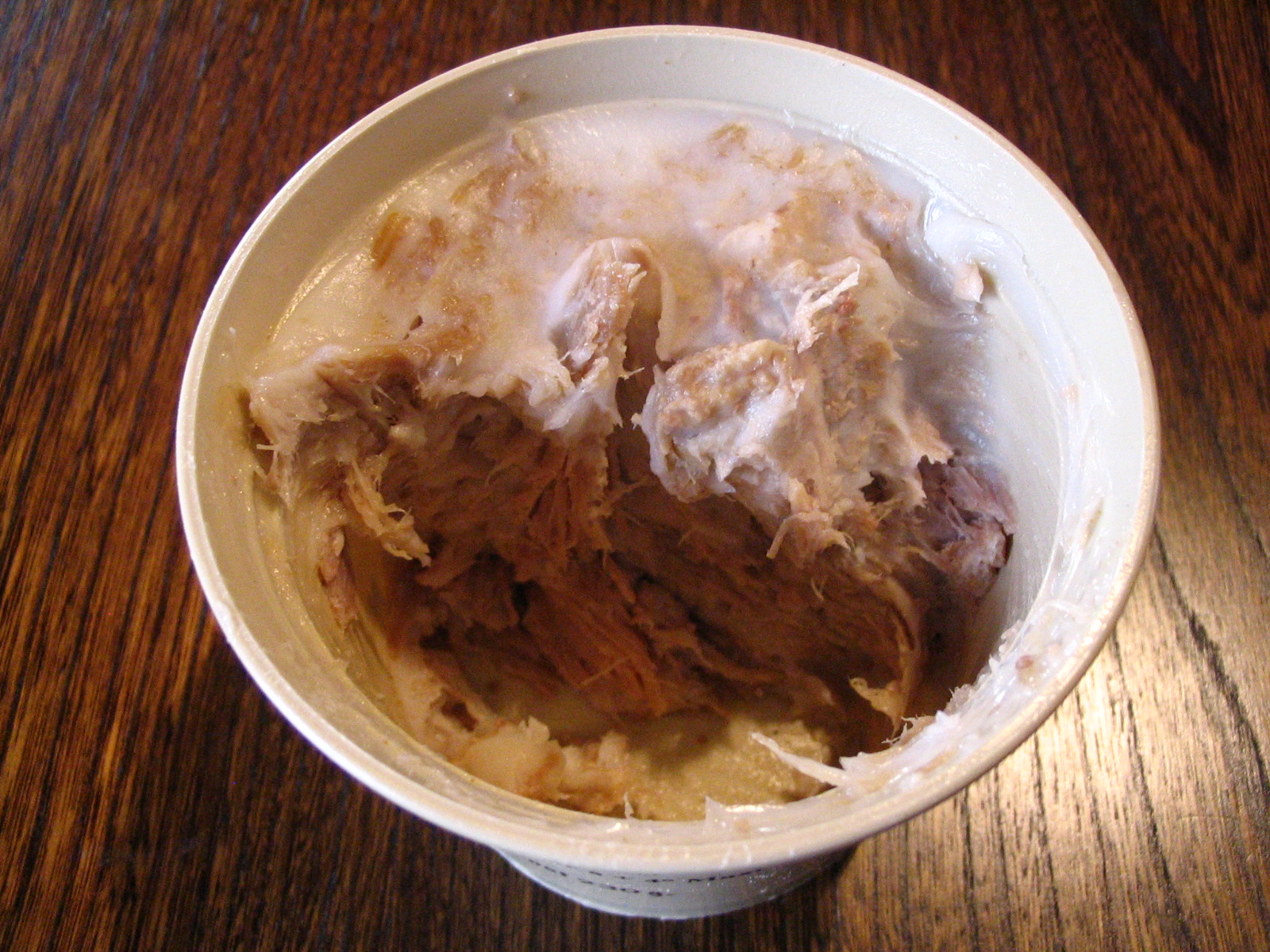
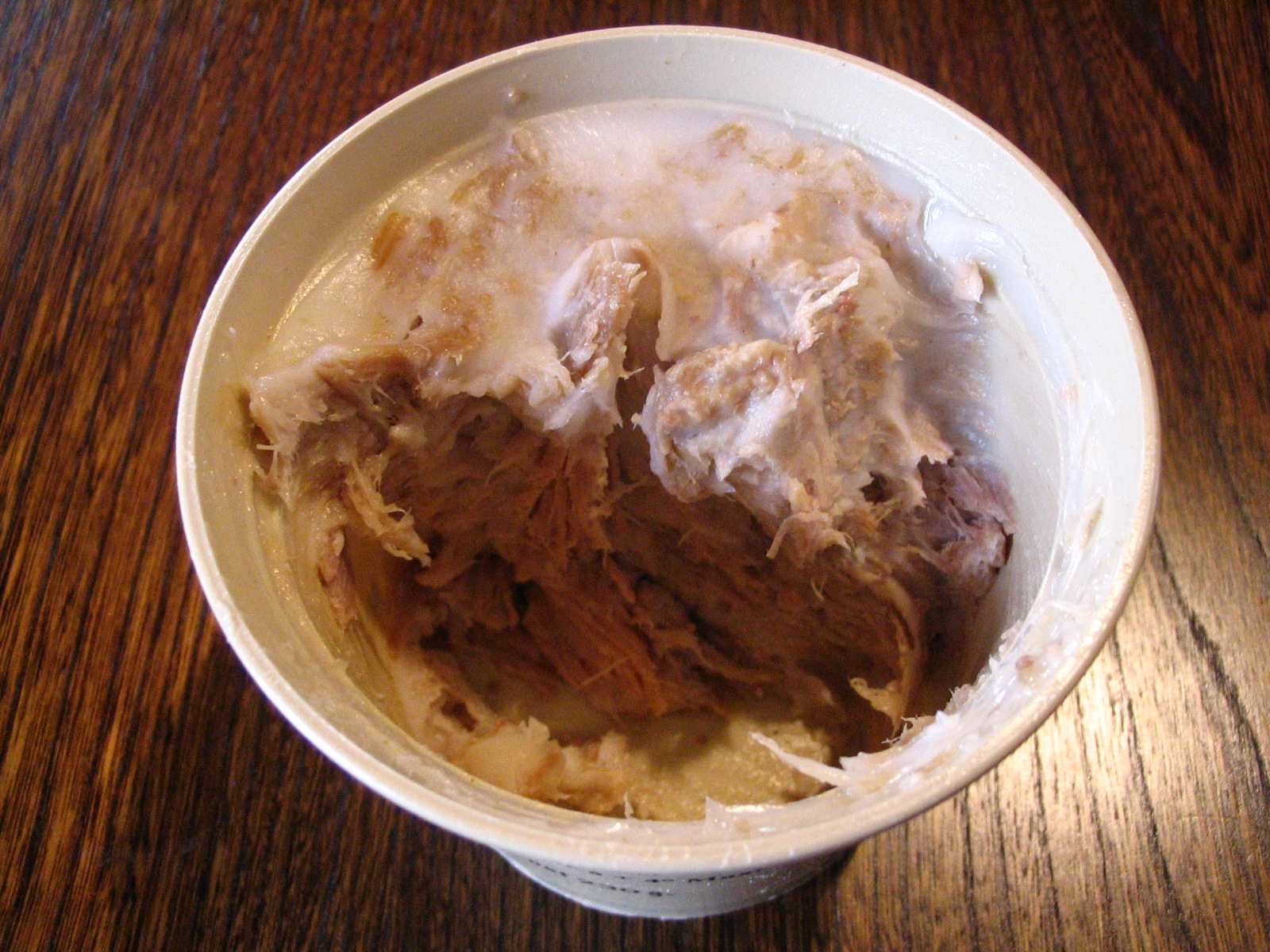
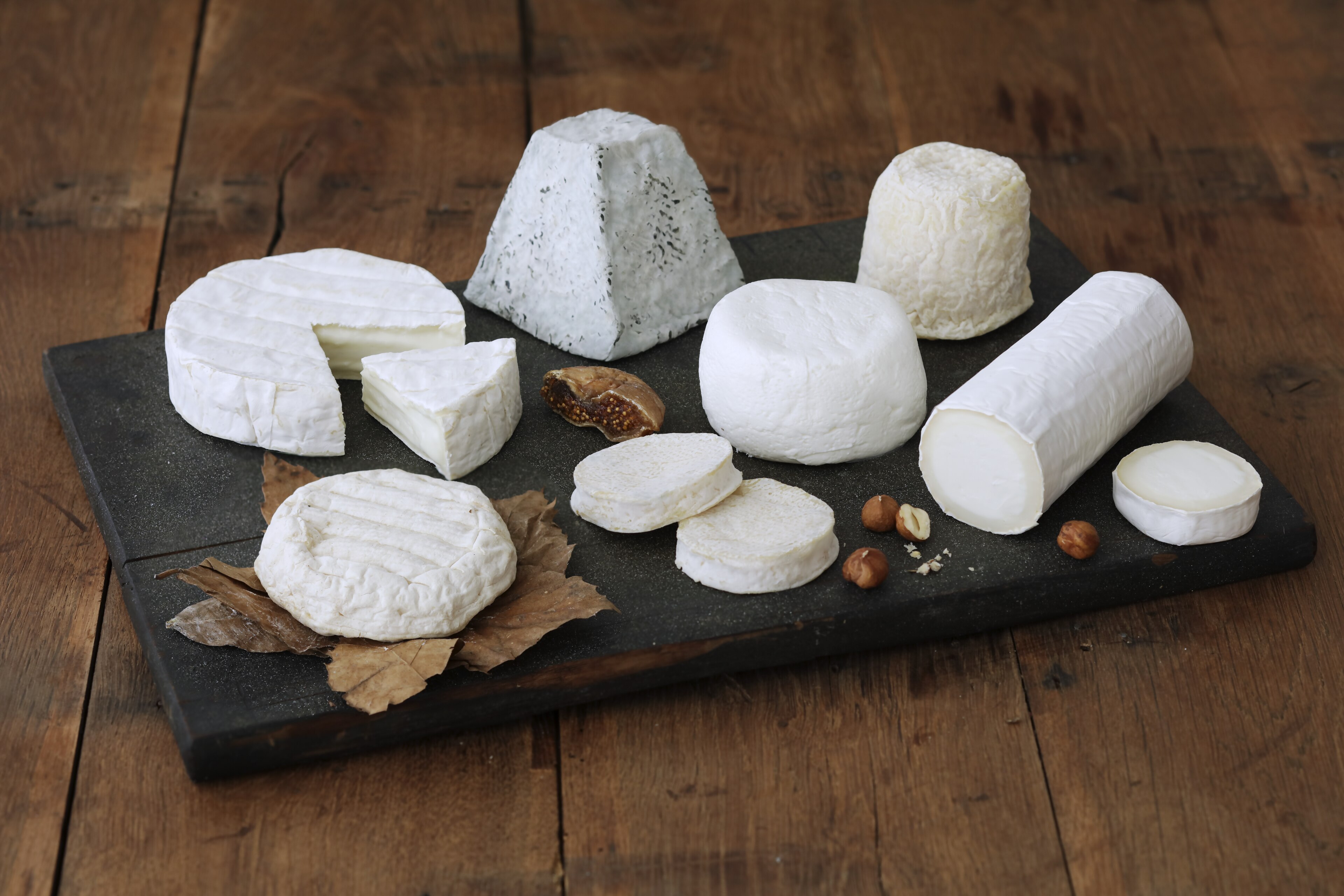
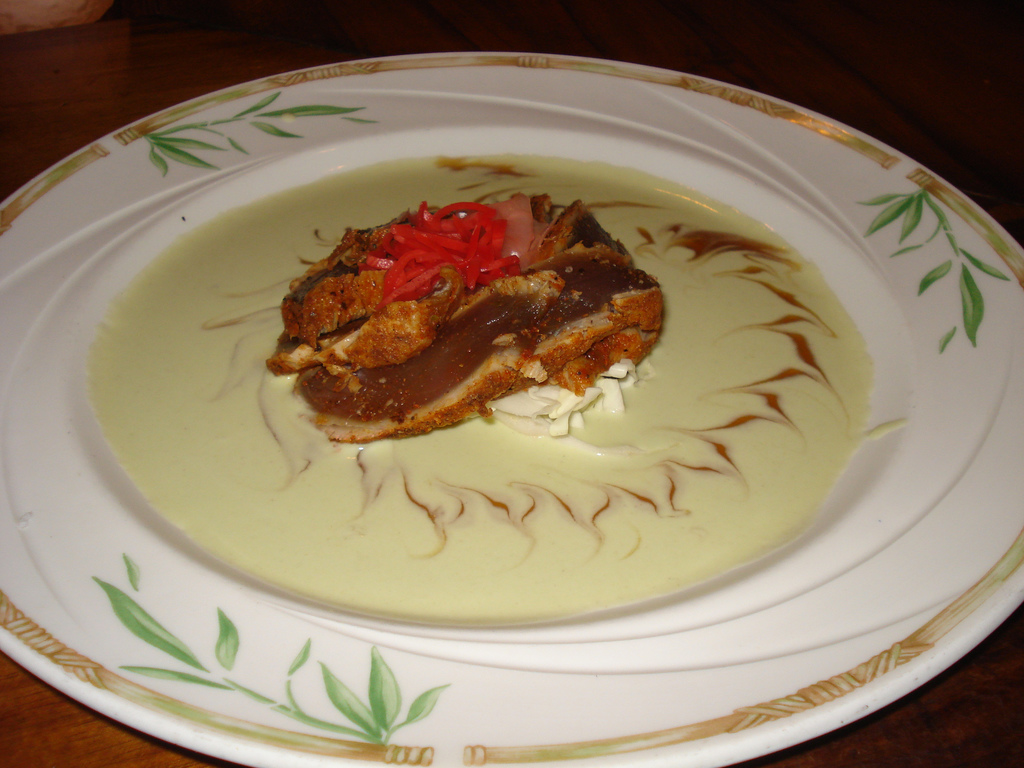
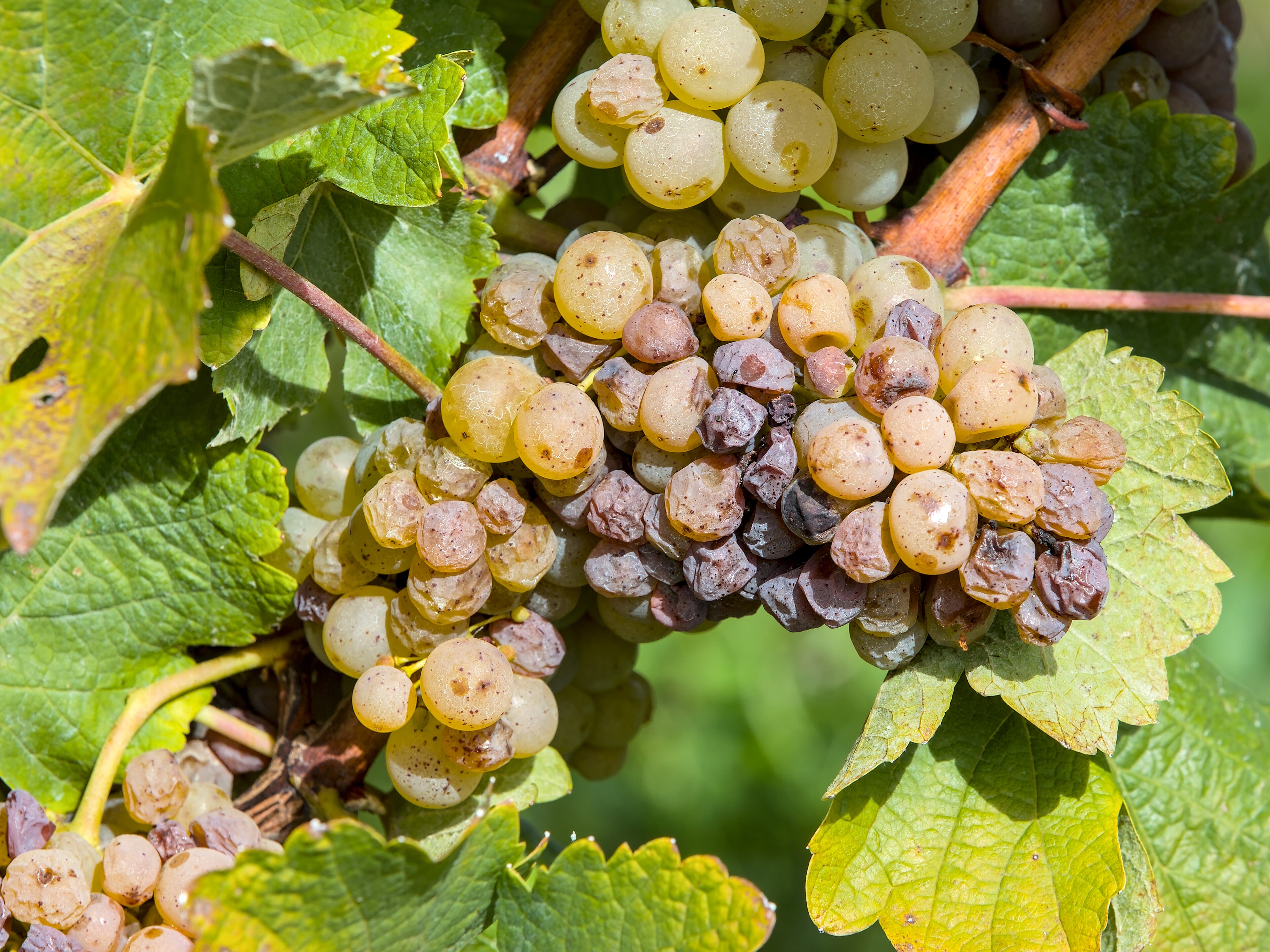
Loire specialities include rillettes and rillons (potted/pork preparations from Tours), goat cheeses (Sainte-Maure de Touraine), freshwater fish (e.g., sandre/pike-perch) often with beurre blanc, and Loire wines (Vouvray, Chinon, Bourgueil, Montlouis). The Place Plumereau area and Les Halles market are the dining cores; the city's student population supports affordable bistros and wine bars.
Where to Stay
Each shaded circle marks one of the areas below, in its banner colour — tap a circle to open it in Google Maps.
Getting around — The compact centre is walkable; a tram line and buses (Fil Bleu) serve the wider city.
Practical Notes
Transportation
- Getting in (no car): TGV from Paris Montparnasse to Tours / Saint-Pierre-des-Corps (~1 hr 10 min). Regional trains link Amboise, Chenonceaux, Azay-le-Rideau, Blois, and Chinon.
- Getting in (with car): Off the A10; central parking is paid and limited.
- Getting around (no car): Walkable centre, a tram, city buses, château shuttle tours (e.g., from the tourist office), and bike rental for the Loire à Vélo.
- Getting around (with car): A car maximises château flexibility (Villandry, Chambord), but is unnecessary for train-served sites.
- Transit tips: Some TGVs arrive at Saint-Pierre-des-Corps (a short shuttle/train from central Tours station) rather than Tours itself; organised minibus tours efficiently combine non-rail châteaux.
Good to Know
- Safety: A safe student city; usual precautions around the station and nightlife areas at night.
- Timing: Spring and early autumn suit château touring and gardens; summer is busiest. Many museums close Tuesdays.
- Etiquette: Standard French courtesies; greet on entering shops.
- Costs: Cheaper than Paris; good-value dining thanks to the student scene.
Notable Insights
Insights
- Cultural: Tours' real value is logistical — it is the best all-round hub for the central châteaux, blending city comforts with day-trip reach.
- Budget patterns: Cheap — market picnics, student bistros, free churches. Mid — central hotels, train day trips, château tickets. Luxury — château-hotels in the countryside, fine Loire dining.
Tips & Timing
- Timing/crowds: Chenonceau and Villandry are busiest midday; go early. Combine non-rail châteaux via a single tour rather than multiple taxis.
- Standout: Pairing Chenonceau (by train) with Villandry's gardens (by tour or bike) is a classic Loire day from Tours.