An Overture
Antibes (with adjoining Juan-les-Pins) sits midway between Nice and Cannes and offers perhaps the best balance of authenticity and Riviera beauty. Its ramparted old town wraps a genuine Provençal market and a yacht harbour — Port Vauban, one of the Mediterranean's largest, home to some of the world's biggest superyachts. Picasso painted here, leaving a superb museum in the seafront Château Grimaldi. The wooded Cap d'Antibes hides celebrity villas and coastal trails, while Juan-les-Pins brings sandy beaches and jazz-age nightlife. Well-served by the coastal railway, Antibes is a relaxed, walkable, good-value base for the central Côte d'Azur.
Top Things to Do
Vieil Antibes (Old Town)
A warren of honey-stone lanes within the ramparts, full of shops, cafés, and the daily Marché Provençal.
Insider tip — The covered Marché Provençal (Cours Masséna) runs mornings; an artisan/antiques market takes over some afternoons and Mondays.
Musée Picasso (Château Grimaldi)
The seafront castle where Picasso worked in 1946, now displaying works he created here, with a sculpture terrace over the sea.
Insider tip — Allow ~1 hr; the setting is as memorable as the art.
Port Vauban & Fort Carré
Stroll the quays past gigantic yachts to the star-shaped 16th-century Fort Carré on its promontory.
Getting there — Waterfront walk from the old town; the fort has limited opening hours.
Promenade Amiral de Grasse (ramparts walk)
A scenic seafront path along the old fortifications below the old town.
Cap d'Antibes & Sentier du Littoral
A beautiful coastal footpath (Sentier de Tirepoil) around the wooded cape, past coves and grand villas.
Getting there — Bus or walk to the cape; the trail starts near Plage de la Garoupe.
Juan-les-Pins
Adjacent resort with sandy beaches, pine groves, and summer nightlife.
Getting there — One train stop or a 20-min walk/bus.
Walking Tours
Old Town, Market & Ramparts
A self-guided route loops the old town's lanes and the Marché Provençal, follows the ramparts past the Picasso museum and cathedral, and continues along Port Vauban to Fort Carré. A separate, more strenuous walk is the Cap d'Antibes coastal trail (Sentier du Littoral / Tirepoil), a roughly 1.5–2 hr scenic circuit around the cape. The old-town loop takes about 2 hours.
Port Vauban yacht harbour → Place Nationale → Marché Provençal (Cours Masséna) → Église de l'Immaculée-Conception → Musée Picasso (Château Grimaldi) → Promenade Amiral de Grasse ramparts → Plage de la Gravette
Cap d'Antibes Coastal Trail
South of the old town, the Sentier du Littoral (the Tire-Poil path) loops around the wild Cap d'Antibes shoreline, past the gardens of Villa Eilenroc to the lighthouse belvedere — sturdy shoes and a head for sea spray required.
Plage de la Garoupe → Sentier du Littoral (Tire-Poil) → Villa Eilenroc → Phare de la Garoupe viewpoint
Day Trips & Beyond
Hidden Gems
Sentier du Littoral (Cap d'Antibes)
A wild, beautiful shoreline path with hidden swimming coves and glimpses of legendary villas; one of the Riviera's best free experiences. Tip: Can close in rough weather; wear good shoes.
SearchPlage de la Garoupe
A lovely cove on the cape, historically one of the Riviera's first fashionable beaches.
SearchPhare de la Garoupe & Chapelle
Lighthouse and chapel atop the cape with panoramic views.
Getting there — Walk or bus up the cape.
SearchSuperyacht spotting at Port Vauban
The "Quai des Milliardaires" hosts some of the largest private yachts afloat.
SearchFood & Dining
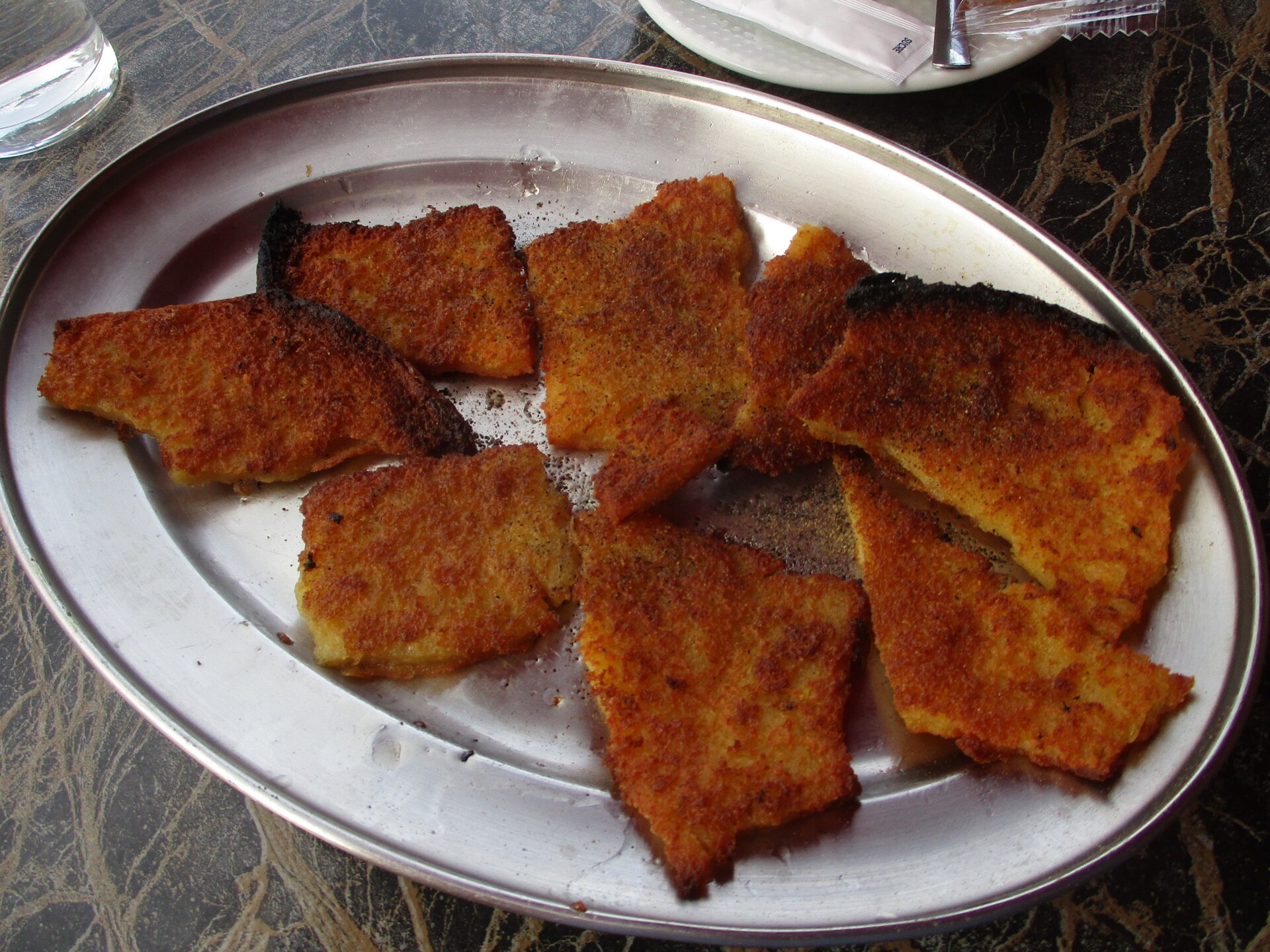

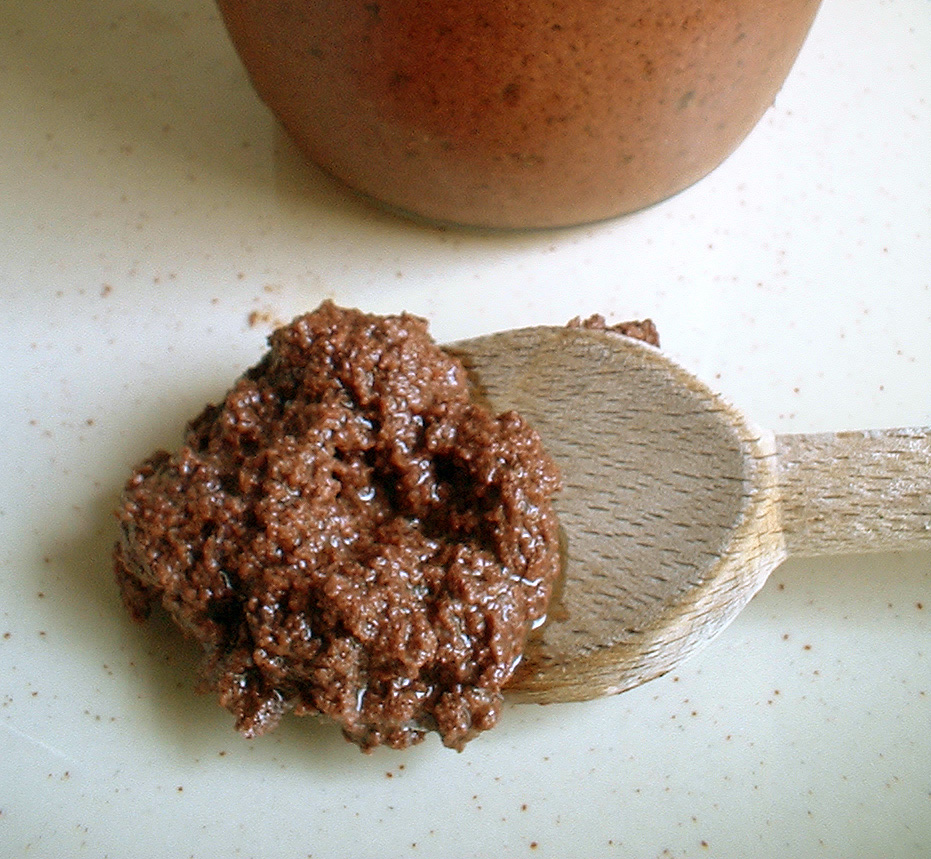
Pair with Provençal rosé.
The Marché Provençal is the centerpiece — local cheeses, socca, olives, tapenade, flowers, and produce; several stalls and nearby spots serve socca and pan bagnat. The old town's lanes are full of bistros and seafood restaurants (quality varies — pick busy, local-favoured spots). Juan-les-Pins adds beachfront dining and bars. The market and small traiteurs make Antibes good for affordable, high-quality eating.
Where to Stay
Each shaded circle marks one of the areas below, in its banner colour — tap a circle to open it in Google Maps.
Getting around — The old town and port are walkable; trains and buses link Juan-les-Pins and the cape.
Practical Notes
Getting There & Around
- Getting in (without a car): Antibes is on the main Riviera rail line — frequent trains to Nice (~15–20 min) and Cannes (~10–15 min). Nice Côte d'Azur Airport is ~20–25 min away (express bus 250 or train via connection).
- Getting in (with a car): A8; old-town parking is limited — use peripheral lots.
- Getting around: On foot in the old town; the Envibus network serves Juan-les-Pins, the cape, and Biot.
- Tips: No car needed — trains cover the coast and buses reach the cape and hill villages. The Cap d'Antibes is best explored on foot via the coastal trail.
Good to Know
- The Marché Provençal is morning-focused; check which days are food vs. artisan markets.
- The Cap d'Antibes coastal path can close in storms and has uneven footing — bring proper shoes and water.
- Summer is busy (especially Juan-les-Pins nightlife and the July jazz festival); spring and September are calmer.
- Beaches are a mix of sand (Juan-les-Pins, Garoupe) and pebble; some are paid clubs.
Notable Insights
Etiquette & Culture
- Antibes feels more lived-in than Cannes — a real town with a strong English-speaking expat/yachting community. Market etiquette applies; greet vendors.
Budget
- Cheap — market food, free coastal trail and beaches. Mid — old-town bistros. Luxury — Cap d'Antibes villas and the legendary Hôtel du Cap-Eden-Roc.
Timing
- Do the market in the morning, the coastal path before midday heat, and the ramparts/old town at sunset.
The Standout
- Combining the Picasso museum's sea-terrace sculptures with a walk on the Cap d'Antibes shoreline trail captures Antibes' blend of art and natural beauty.