An Overture
Avignon is the historic capital of the Vaucluse and the gateway to inland Provence. Encircled by remarkably intact medieval ramparts, the city was the seat of the papacy in the 14th century, leaving behind the colossal Palais des Papes — one of Europe's largest Gothic palaces. Compact and entirely walkable within its walls, Avignon combines world-class monuments, a lively student population, busy café-lined squares, and a celebrated summer arts festival. With a TGV station connecting to Paris in under three hours and frequent regional trains and buses, it is the single best public-transport base for exploring the Luberon, the Côtes du Rhône vineyards, and the Roman cities of the lower Rhône.
Top Things to Do
Palais des Papes
The fortress-palace of the Avignon popes, with cavernous ceremonial halls, frescoed chapels, and rooftop terraces overlooking the city.
Insider tip — Allow 1.5–2 hours; the "Histopad" augmented-reality tablet (included) reconstructs the rooms. Combined ticket with the Pont d'Avignon offers savings.
Pont Saint-Bénézet (Pont d'Avignon)
The famous half-bridge of the children's song, now ending mid-river after floods destroyed its arches.
Insider tip — Short visit; the view of the bridge is arguably better and free from the Rocher des Doms or the Île de la Barthelasse across the river.
Place du Palais & Rocher des Doms
The grand square before the palace leads up to the Rocher des Doms gardens, a leafy clifftop park with panoramic views over the Rhône, the bridge, and Villeneuve-lès-Avignon.
Cathédrale Notre-Dame des Doms
Romanesque cathedral beside the palace, topped by a gilded statue of the Virgin.
Place de l'Horloge
The central square lined with cafés, the ornate Hôtel de Ville, and a 19th-century carousel; the heart of evening life.
Musée du Petit Palais
Outstanding collection of medieval and early-Renaissance Italian painting, housed in a former cardinal's palace on Place du Palais.
Insider tip — Free or low-cost; often uncrowded.
Walking Tours
Papal City to the Dyers' Quarter
The entire walled old town is a self-guided walk: enter near Place de l'Horloge, climb to Place du Palais and the Rocher des Doms, descend to the river and ramparts, then wander the quieter eastern quarters around Rue des Teinturiers — a cobbled, canal-side street with old waterwheels, cafés, and a bohemian feel. The full circuit takes 2–3 hours at a relaxed pace. The Tourist Office offers themed walking-tour maps and guided tours.
Pont Saint-Bénézet (Pont d'Avignon) → Rocher des Doms garden viewpoint → Cathédrale Notre-Dame des Doms → Musée du Petit Palais → Place du Palais → Palais des Papes → Place de l'Horloge → Rue des Teinturiers (canal lane)
Day Trips & Beyond
Villeneuve-lès-Avignon
Across the Rhône, a quieter town with the Fort Saint-André and Chartreuse monastery, plus the best views back toward the Palais des Papes. Getting there: City bus or a 30–40 min walk via the bridge.
SearchPont du Gard
The spectacular three-tiered Roman aqueduct, a UNESCO site. Getting there: Regional bus (line A15 / seasonal services) from Avignon toward Nîmes/Uzès; roughly 45 min. Check current schedules at the tourist office.
SearchLuberon villages (Gordes, Roussillon, etc.)
Best reached by organized minibus day tours departing Avignon, as public transport is sparse.
SearchChâteauneuf-du-Pape
Famed wine village; reachable by seasonal wine-tour shuttles or organized tastings from Avignon.
SearchHidden Gems
Rue des Teinturiers
The old dyers' street with its mossy canal and waterwheels is Avignon's most atmospheric corner, especially in the morning.
SearchÎle de la Barthelasse
Large river island reached on foot via the Daladier bridge; offers riverside paths, picnic spots, and the classic postcard view of the city skyline. A free shuttle ferry operates seasonally.
SearchCollection Lambert
Contemporary art museum in two elegant mansions, a counterpoint to the medieval core.
SearchFestival d'Avignon (July)
One of the world's major theatre festivals; the whole city becomes a stage with the official "In" program and the sprawling fringe "Off." Tip: Book accommodation months ahead; prices spike.
SearchFood & Dining
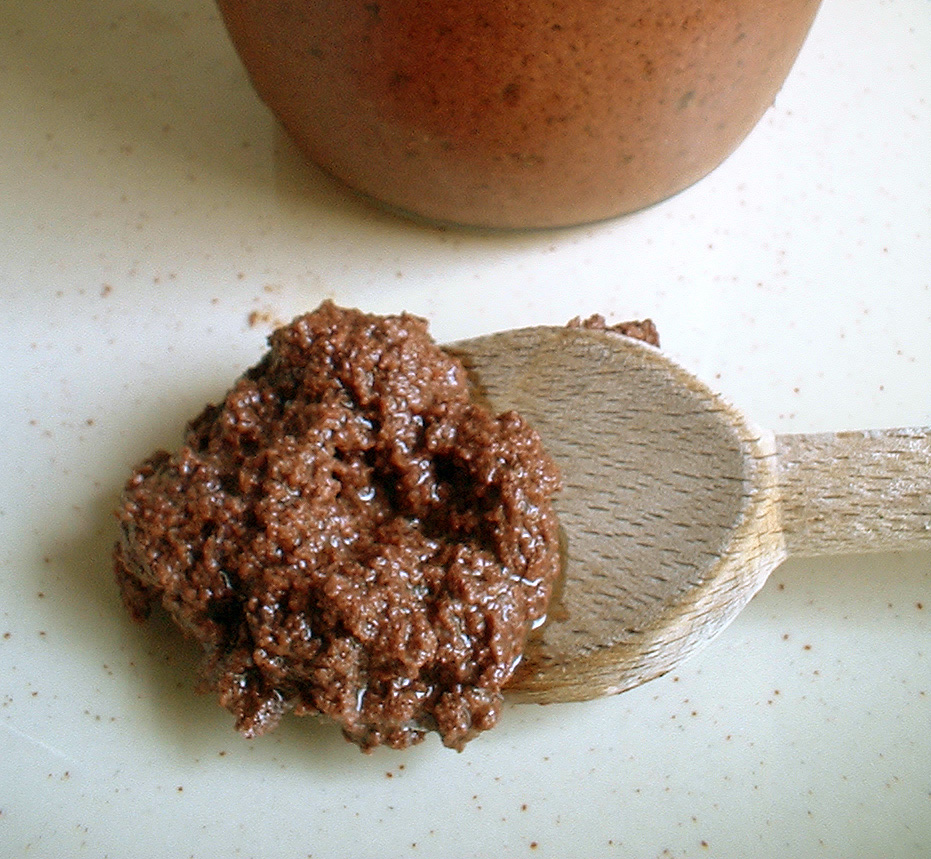
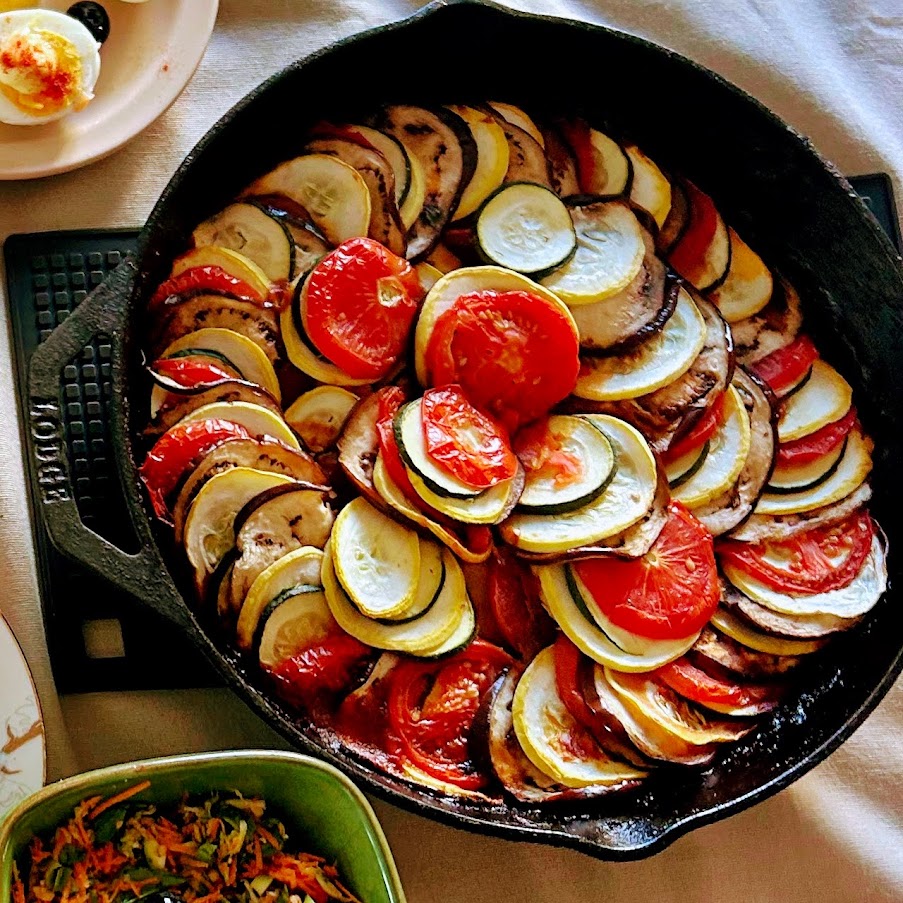
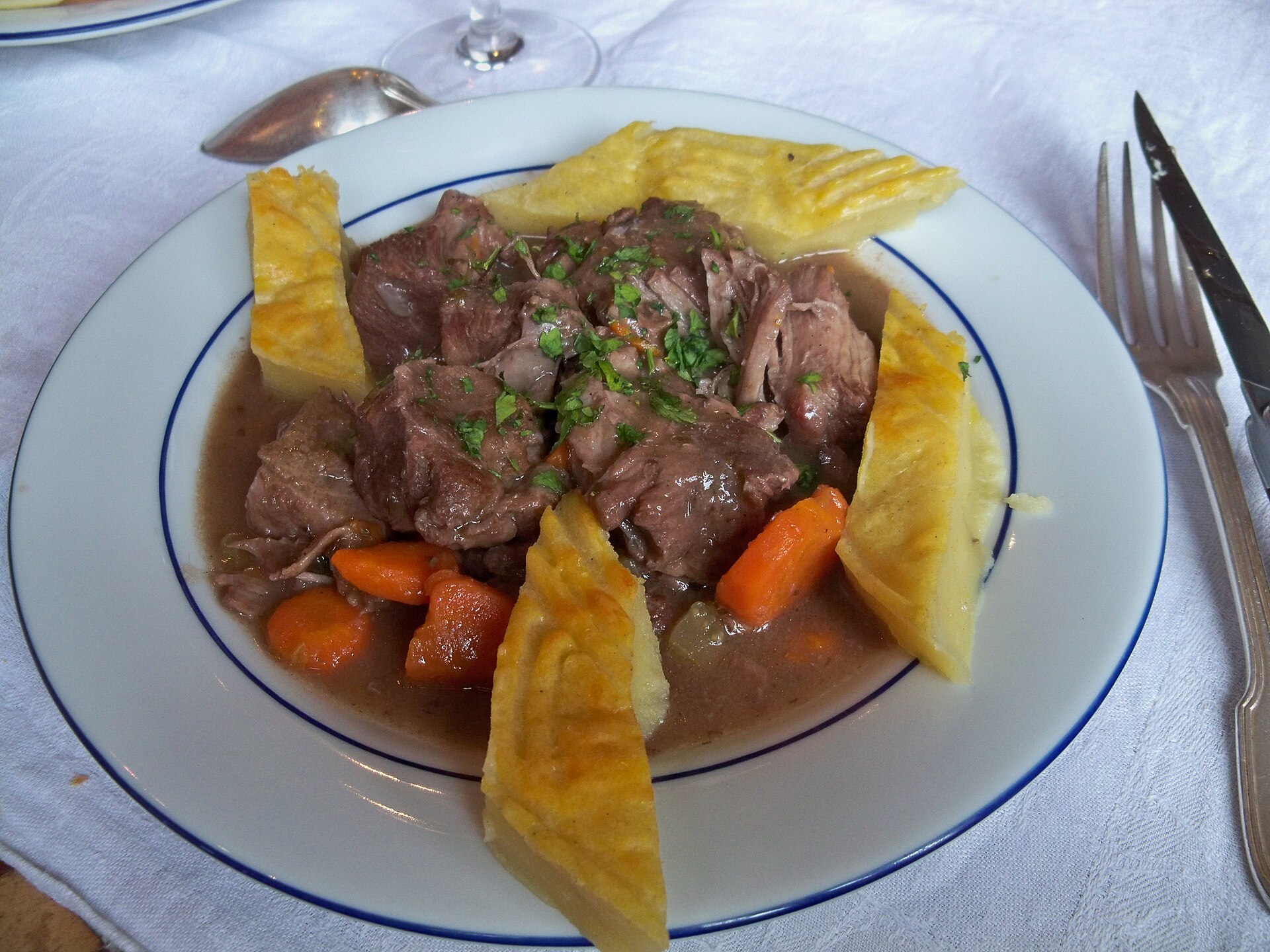
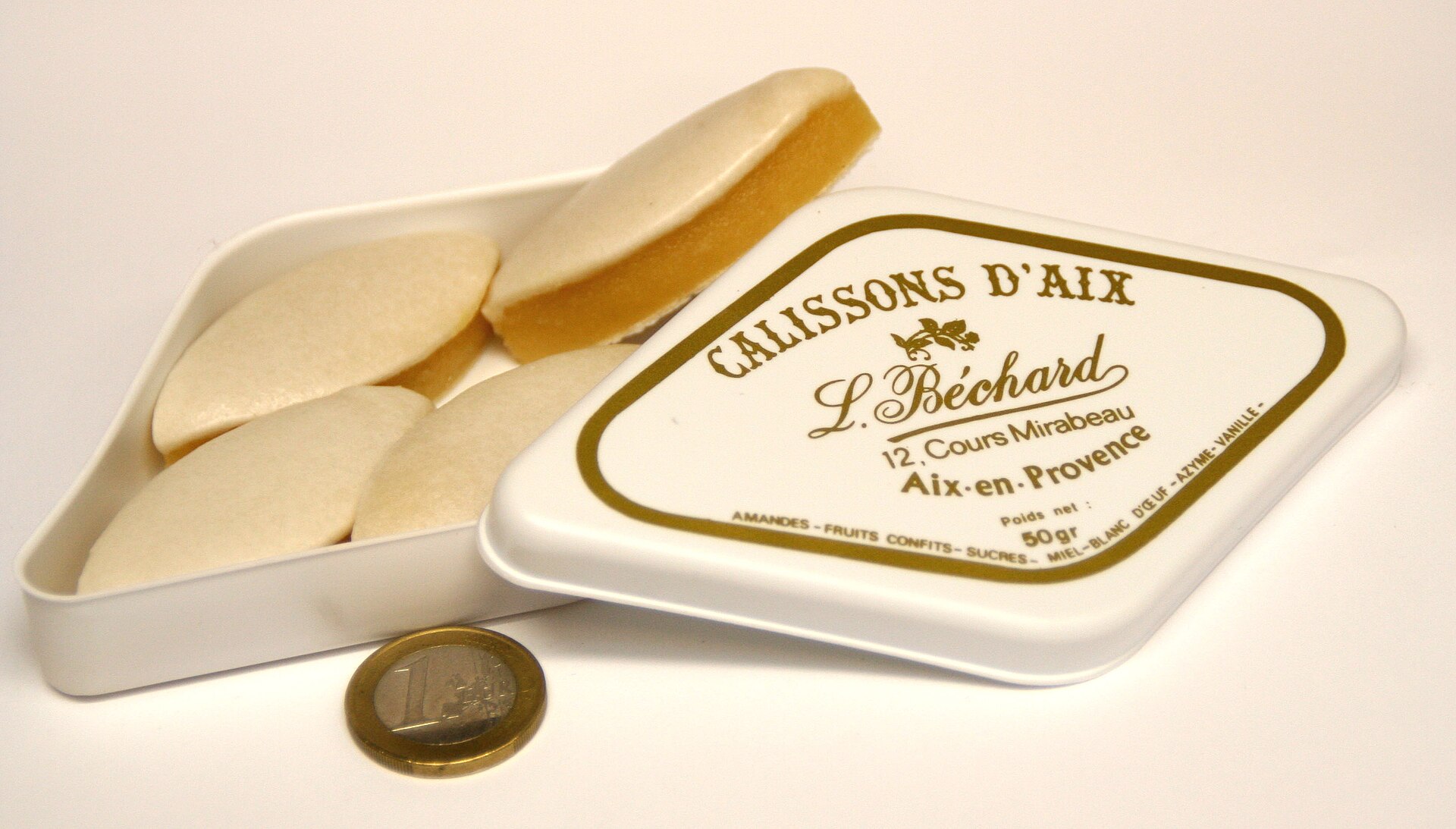
Provençal cooking dominates: daube (beef stew), ratatouille, tapenade, and local goat cheeses. Seek out the Les Halles d'Avignon covered market (Place Pie, mornings, closed Mondays) for produce, cheese, charcuterie, and counter dining; its living green wall is a landmark. Dine on the squares around Place de l'Horloge for atmosphere, but venture into side streets and Rue des Teinturiers for better value and quality. Pair meals with Côtes du Rhône and Châteauneuf-du-Pape wines. Calisson and local nougat make good sweet souvenirs.
Where to Stay
Each shaded circle marks one of the areas below, in its banner colour — tap a circle to open it in Google Maps.
Getting around — The old town is small enough to cover entirely on foot; no transport is needed once inside the walls.
Practical Notes
Getting There & Around
- Getting in (without a car): Avignon TGV station links to Paris (~2h40), Lyon, Marseille, and beyond; a free shuttle train connects it to the central Avignon Centre station in the walls. Regional TER trains reach Arles, Nîmes, Orange, and Marseille. Marseille and Nîmes airports serve the wider area.
- Getting in (with a car): A7 autoroute; park outside the walls (Parking des Italiens, Parking de l'Île Piot) and use free shuttle buses, as the old town is largely pedestrianized.
- Getting around: On foot inside the walls; the Orizo network runs city buses and free electric shuttles (Baladine) through the center. Day trips by regional train and bus.
- Tips: Driving inside the ramparts is frustrating and parking scarce — leave the car outside. For carless travelers, base in Avignon and use trains for Orange/Arles/Nîmes; book minibus tours for the Luberon and wine country.
Good to Know
- High season (July, with the festival) is hot and crowded; spring and September are ideal.
- The Palais des Papes and Pont d'Avignon combined ticket saves money.
- Mistral winds can be strong and cold even in sunshine.
- The old town is safe; normal urban caution near the train station at night.
- Many museums close Mondays; the market closes Mondays.
Notable Insights
Etiquette & Culture
- Greet shopkeepers with "Bonjour" on entering; lunch service is typically 12:00–14:00, dinner from 19:30.
Budget
- Cheap — bakery lunches, the covered market, picnics on the Rocher des Doms or Barthelasse island. Mid — bistros off the main squares. Luxury — converted-mansion hotels intra-muros.
Timing
- Visit the Palais early to beat tour groups; reserve festival lodging far ahead. The Pont du Gard is best mid-morning before bus tours arrive.
The Standout
- Climbing the Rocher des Doms at golden hour for the river-and-bridge panorama costs nothing and is the city's finest free experience.