An Overture
Cannes is the Riviera's byword for glamour — a resort town of luxury hotels, designer boutiques, and a palm-lined seafront famous worldwide for its May film festival. Behind the celebrity sheen lies an older Provençal town: the hilltop Le Suquet quarter, a lively covered market, and a working fishing port. Sandy (rather than pebbly) beaches, a yacht-filled harbour, and easy boat access to the tranquil Lérins Islands round out its appeal. On the main Riviera rail line, Cannes is a polished, walkable base for the western Côte d'Azur, the Estérel coast, and the perfume town of Grasse.
Top Things to Do
La Croisette
The glamorous seafront boulevard lined with palms, grand hotels (Carlton, Martinez), luxury shops, and beach clubs; the Palais des Festivals (with its red-carpet steps and handprints) anchors the western end.
Insider tip — Free to stroll; window-shop and people-watch.
Le Suquet (Old Town)
Cannes' historic hilltop quarter, climbing to the Notre-Dame-de-l'Espérance church and the Musée des Explorations du Monde in the old castle, with sweeping bay views.
Insider tip — Best at golden hour for views and dinner.
Marché Forville
The covered Provençal market (a short walk inland), excellent for produce, cheese, flowers, and fish.
Insider tip — Mornings; closed Mondays (antiques market instead).
Beaches
Cannes has sandy beaches along La Croisette (mix of free public stretches and paid clubs) and quieter sands toward the Palm Beach headland.
Rue d'Antibes & the boutiques
The main shopping street one block back from the seafront.
Walking Tours
La Croisette to Le Suquet
A self-guided route runs La Croisette from the Palais des Festivals past the grand hotels, turns inland through Rue Meynadier and the Marché Forville, then climbs the lanes of Le Suquet to the church and castle viewpoint, descending to the old port. Allow about 2 hours. The tourist office provides a heritage walk map of Le Suquet.
Carlton Cannes (La Croisette) → Palais des Festivals (red carpet) → Vieux Port de Cannes → Marché Forville → Rue Meynadier (pedestrian) → Rue Saint-Antoine (Le Suquet lane) → Église Notre-Dame d'Espérance → Musée de la Castre viewpoint
Day Trips & Beyond
Îles de Lérins (Sainte-Marguerite & Saint-Honorat)
Tranquil, car-free islands: Sainte-Marguerite has pine forests, swimming coves, and the fort that held the "Man in the Iron Mask"; Saint-Honorat is home to a working monastery and vineyard. Getting there: Frequent ferries (~15–20 min) from the Cannes old port. A half- or full day.
SearchMougins / Estérel coast (Théoule, Mandelieu)
Hilltop art village and red-rock coastline. Getting there: Bus to Mougins; train along the Estérel.
SearchHidden Gems
Saint-Honorat island
A serene monastic island where Cistercian monks produce wine and liqueurs; far quieter than its neighbour, with coastal paths and chapel ruins. Tip: Separate ferry line from Sainte-Marguerite; bring a picnic (limited facilities).
SearchLe Suquet at sunset
The old-town viewpoint over the bay, lit-up Croisette, and yachts is the best free experience in Cannes.
SearchLa Malmaison / off-festival Palais
The seafront also hosts year-round exhibitions and events beyond the famous festival.
SearchEstérel red cliffs by boat
Coastal excursions toward the dramatic porphyry cliffs west of Cannes.
SearchFood & Dining
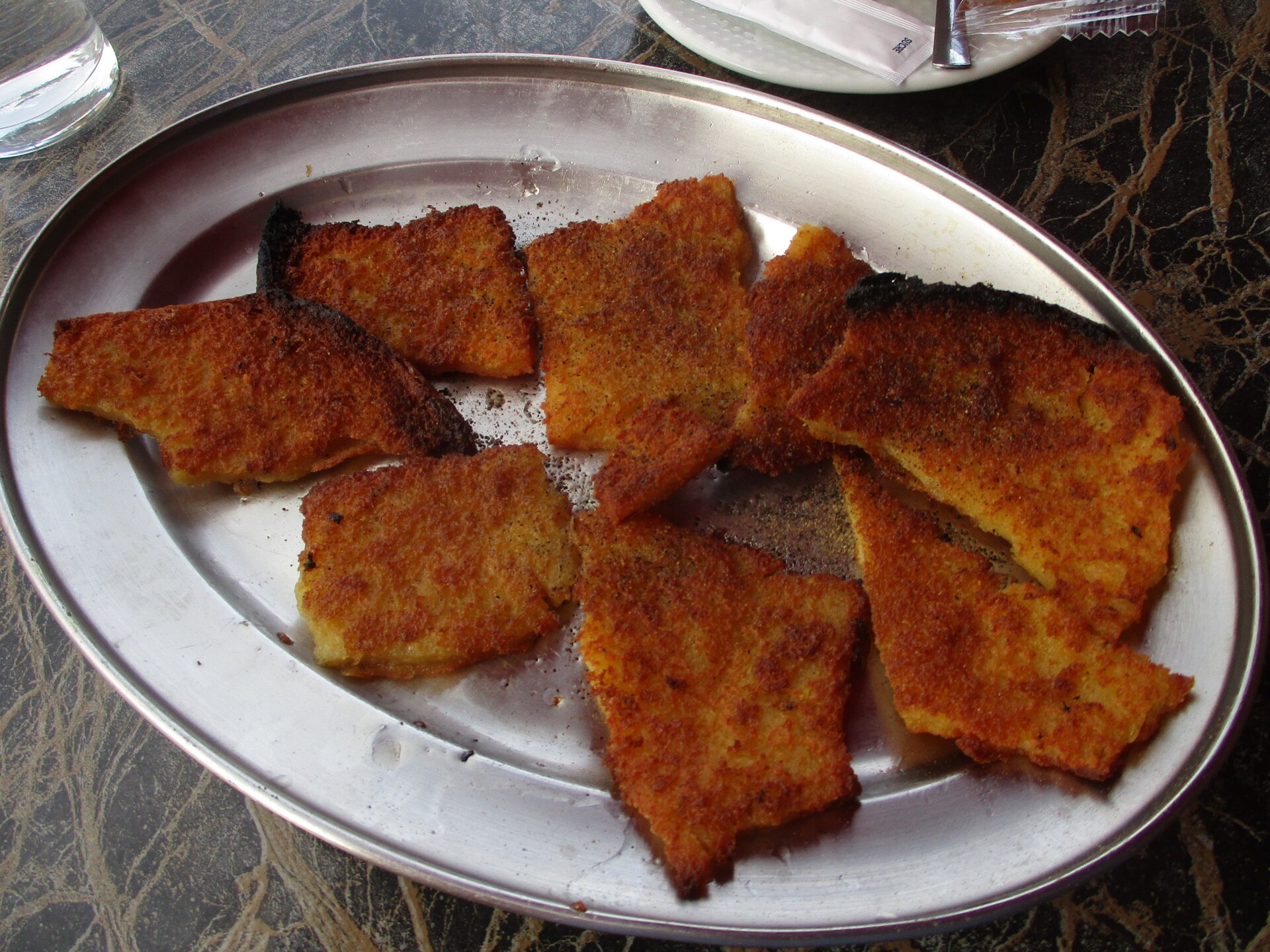
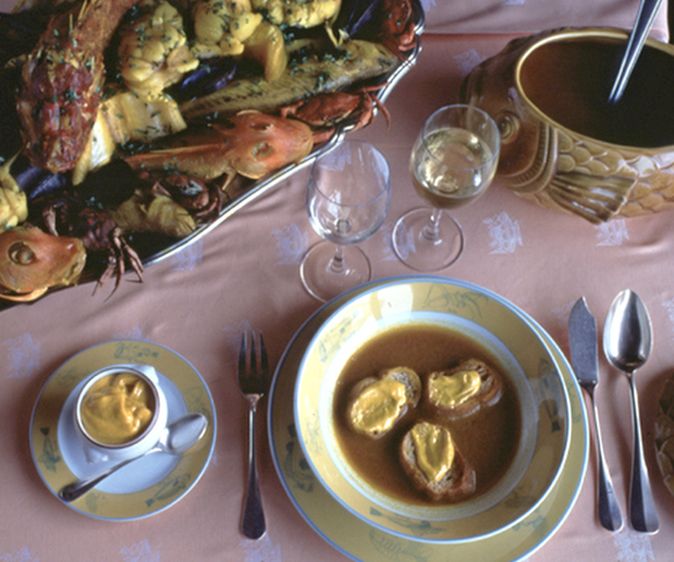
Look for socca, grilled fish, bouillabaisse-style soups, and Provençal classics; pair with rosé.
Cannes blends Provençal and Riviera dining. The Marché Forville is the place to assemble a picnic or eat fresh seafood. Le Suquet's stepped Rue Saint-Antoine is packed with restaurants (atmospheric but touristy — choose carefully). Rue Meynadier has food shops and traiteurs for cheaper eats. The grand-hotel terraces offer luxury dining and cocktails at premium prices.
Where to Stay
Each shaded circle marks one of the areas below, in its banner colour — tap a circle to open it in Google Maps.
Getting around — The center is compact and walkable; the train station is a short walk from the seafront.
Practical Notes
Getting There & Around
- Getting in (without a car): Cannes is on the main Riviera rail line — frequent trains to Nice (~30 min), Antibes (~10 min), Grasse, and the Estérel coast. Nice Côte d'Azur Airport is ~30 min away (bus line 210/610 express coach, or train via connection).
- Getting in (with a car): A8; parking is costly and limited, especially during festivals.
- Getting around: On foot in the center; local Palm Bus network; ferries to the Lérins Islands from the old port.
- Tips: A car isn't needed — the coastal train links the main towns quickly and scenically. During the film festival (mid-May) and other big events (yacht show, MIPIM), the city is jammed and prices soar.
Good to Know
- Festival season (especially the Film Festival, mid-May) means sky-high prices, crowds, and limited rooms — book far ahead or avoid.
- Beach clubs charge for loungers; free public beach sections exist along La Croisette and toward the headlands.
- Lérins ferries are run by competing companies for each island — check which dock and line you need.
- Summer is hot and busy; spring and September are ideal.
- Watch belongings on the seafront, in markets, and at the station.
Notable Insights
Etiquette & Culture
- Cannes leans upscale and image-conscious on the Croisette but is relaxed and Provençal in Le Suquet and the market. Smart-casual dress fits the grand hotels and clubs.
Budget
- Cheap — market picnics, free beaches, Le Suquet views, cheap ferry to a Lérins island. Mid — old-town bistros. Luxury — Croisette palace hotels and beach clubs.
Timing
- Visit Le Suquet at sunset; take the first ferries to the Lérins for quiet; avoid festival dates unless that's the draw.
The Standout
- A short ferry ride to car-free Sainte-Marguerite or monastic Saint-Honorat reveals a calm, natural side of Cannes that contrasts sharply with the Croisette glitz.