An Overture
Marseille is France's oldest city and its second largest — a sprawling, sun-drenched Mediterranean port founded by Greeks 2,600 years ago. Gritty, multicultural, and fiercely independent in character, it trades postcard polish for raw energy: a working harbour, immigrant neighbourhoods, street art, and one of France's most exciting food scenes. The compact historic core around the Vieux-Port is walkable, while the Calanques — a range of fjord-like limestone coves — stretch along the coast to the southeast. As a major airport, TGV hub, and ferry port, Marseille is the principal gateway to Provence and a base in its own right, with day-trip links to Cassis, Aix, and the islands of the bay.
Top Things to Do
Vieux-Port (Old Port)
The city's heart, framed by forts, fishing boats, and Norman Foster's mirrored canopy; the morning fish market sells the day's catch on the quay.
Basilique Notre-Dame de la Garde
The hilltop "Bonne Mère" basilica crowned by a gilded Virgin, offering the definitive panorama of city and sea.
Getting there — Steep climb, city bus (line 60), or tourist train from the Vieux-Port.
Insider tip — Free entry; go for sunset.
MuCEM (Museum of European and Mediterranean Civilisations)
Striking latticework building linked by footbridge to Fort Saint-Jean, blending architecture, history, and harbour views.
Insider tip — The fort grounds and rooftop are free; exhibitions ticketed.
Le Panier
Marseille's oldest quarter, a hilly maze of pastel lanes, street art, artisan shops, and the grand Vieille Charité almshouse (now a museum complex).
Palais Longchamp
Monumental fountain-palace housing fine-arts and natural-history museums in a park.
Cours Julien & Notre-Dame-du-Mont
Bohemian district of street art, indie boutiques, bars, and live music.
Walking Tours
Vieux-Port, MuCEM & Le Panier
A classic self-guided walk starts at the Vieux-Port, climbs into Le Panier's lanes to the Vieille Charité, descends to MuCEM and Fort Saint-Jean, and follows the seafront to the Cathédrale La Major and the Joliette docks. A second route climbs to Notre-Dame de la Garde for views, then explores the Cours Julien street-art quarter. Each is roughly 2–3 hours. Guided street-art and food walks of Le Panier and Cours Julien are widely available.
Quai des Belges (Vieux-Port) → Hôtel de Ville (Quai du Port) → Fort Saint-Jean → MuCEM → Cathédrale La Major → Place de Lenche (Le Panier) → Rue du Panier (lane) → La Vieille Charité
Notre-Dame de la Garde & the Corniche
A southern leg climbs from the Romanesque Abbaye Saint-Victor to the Bonne Mère basilica for the definitive panorama, then drops to the Pharo gardens and the storybook fishing cove of Vallon des Auffes on the Corniche.
Abbaye Saint-Victor → Basilique Notre-Dame de la Garde viewpoint → Jardin du Pharo viewpoint → Vallon des Auffes fishing cove
Day Trips & Beyond
Calanques National Park
Turquoise coves between dramatic white cliffs (Sormiou, Morgiou, En-Vau). Getting there: Boat excursions from the Vieux-Port; bus + hike to Calanque de Sormiou/Luminy; or day trip via Cassis. Tip: Summer access is restricted to protect against fire — check the daily access map.
SearchChâteau d'If & Frioul Islands
The island fortress-prison of "The Count of Monte Cristo" and the rugged Frioul archipelago with swimming coves. Getting there: Frequent ferries from the Vieux-Port (~20–35 min).
SearchCassis
Charming harbour town beside the most famous Calanques; ~25 min by train plus shuttle.
SearchHidden Gems
Vallon des Auffes
A tiny postcard fishing harbour tucked beneath the Corniche, ringed by celebrated seafood restaurants.
Getting there — Corniche walk or bus 83 from the Vieux-Port.
SearchLa Corniche Kennedy
Seafront promenade (with one of the world's longest benches) running to the Plages du Prado; great for sunset strolls and swimming.
SearchCité Radieuse (Le Corbusier)
Iconic modernist housing block ("La Maison du Fada") with a rooftop terrace, café, and design hotel.
Getting there — Bus/metro south of center.
SearchSavon de Marseille & navettes
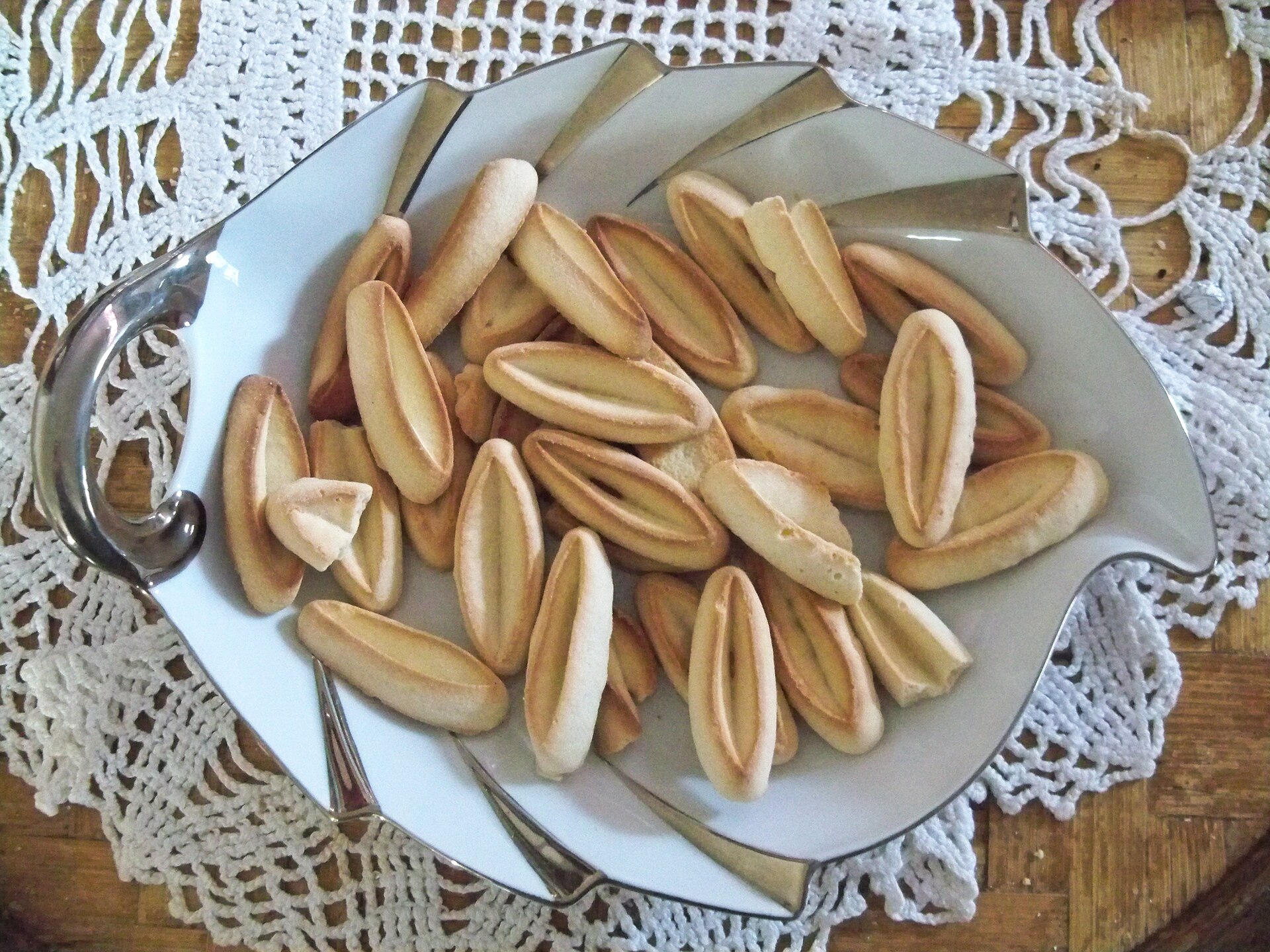
Traditional olive-oil soap and orange-blossom boat-shaped biscuits (navettes from Four des Navettes near the Abbaye Saint-Victor) make authentic souvenirs.
SearchFriche la Belle de Mai
A former tobacco factory turned vast cultural complex with rooftop terrace, exhibitions, and events.
SearchFood & Dining
Pair with cold rosé or a pastis aperitif.
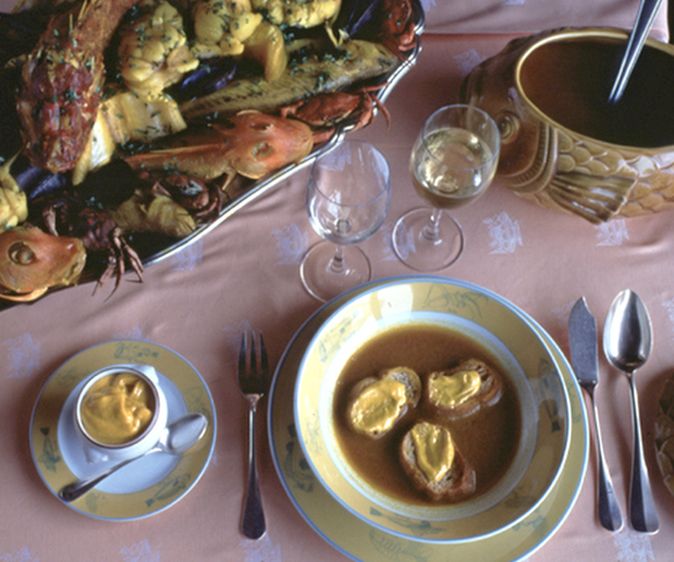
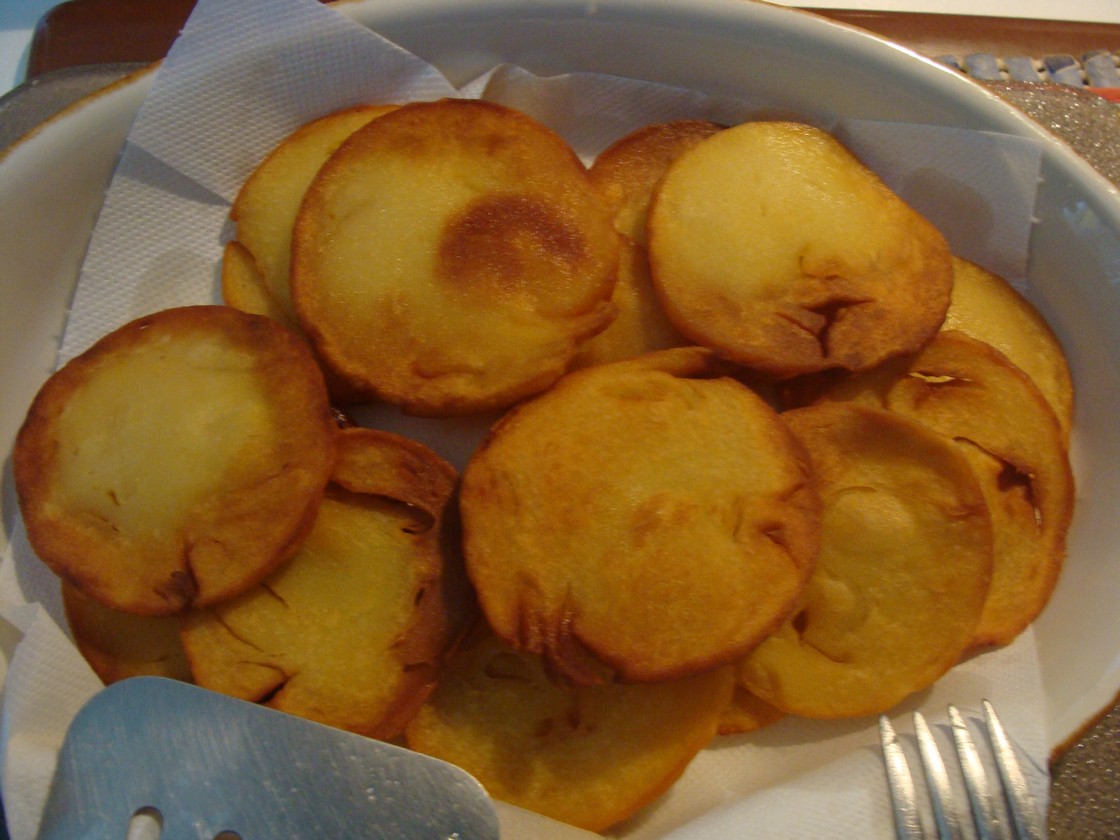
Marseille's signature dish is bouillabaisse, the saffron-scented fish stew served with rouille and croutons — eat it at a reputable harbourside specialist (it's an expensive, ritualized meal). Cheaper local staples include panisses (chickpea fritters), navettes biscuits, North African couscous and Tunisian street food around Noailles, and pizza from the city's many wood-fired vans. The Noailles market and "the belly of Marseille" overflow with spices, produce, and Mediterranean ingredients. The Vallon des Auffes and Vieux-Port serve seafood; Cours Julien offers diverse, affordable dining.
Where to Stay
Each shaded circle marks one of the areas below, in its banner colour — tap a circle to open it in Google Maps.
Getting around — The metro, tram, and buses make getting around easy; the historic core is walkable.
Tip — Caution: areas immediately around Saint-Charles station and parts of Noailles/Belsunce feel rougher at night.
Practical Notes
Getting There & Around
- Getting in (without a car): Marseille Provence Airport (MRS) connects to the city by shuttle bus to Saint-Charles station (~25 min). Gare Saint-Charles is a major TGV hub (Paris ~3h10) with regional trains to Aix, Arles, Avignon, Cassis, Nice, and beyond. Ferries link to Corsica and North Africa.
- Getting in (with a car): A7/A50/A55; traffic and parking are difficult — use park-and-ride near metro stations.
- Getting around: Two metro lines, trams, and an extensive bus network (RTM); ferries to the islands and a small cross-port ferry. The center is walkable but hilly.
- Tips: A car is a liability in Marseille — congestion and break-in risk are real. Use public transport and ferries. For the Calanques, take boats or buses rather than driving.
Good to Know
- Marseille requires more street awareness than smaller Provençal towns: watch for pickpockets around the Vieux-Port, Noailles, and Saint-Charles; avoid flashing valuables; stick to busy, lit streets at night.
- Calanques summer access is restricted by fire risk — check the official daily access map and bring water (no facilities).
- Bouillabaisse is pricey and often requires advance ordering — choose a charter-certified restaurant.
- The city is hot in summer; the mistral can be strong.
Notable Insights
Etiquette & Culture
- Marseille is proud, direct, and diverse — embrace its rough-edged authenticity rather than expecting Riviera gloss. Football (OM) is near-religion.
Budget
- Cheap — street food in Noailles, panisses, picnics on the Corniche. Mid — Cours Julien bistros. Luxury — harbourside bouillabaisse and design hotels (Cité Radieuse, InterContinental in the former Hôtel-Dieu).
Timing
- Visit Notre-Dame de la Garde and the Corniche at sunset; do the Calanques early to beat heat and crowds; islands are best on calm days.
The Standout
- The contrast of MuCEM's modern lattice against the medieval Fort Saint-Jean, with the open Mediterranean beyond, captures Marseille's old-meets-new energy.