An Overture
Monaco is a sovereign city-state of barely two square kilometres squeezed between the sea and the mountains on the eastern Riviera — the world's most densely packed concentration of wealth. Ruled by the Grimaldi family for over 700 years, it pairs the fairy-tale palace and medieval lanes of Monaco-Ville (Le Rocher) with the glittering casino, grand hotels, and superyacht harbour of Monte-Carlo. Famous for its Grand Prix, its tax-haven glamour, and its vertical, terraced cityscape, Monaco is compact and easily seen in a day. Though not a typical overnight "base," it's effortlessly reached by train and makes a dazzling stop or short stay on a Riviera itinerary.
Top Things to Do
Monaco-Ville (Le Rocher) & Prince's Palace
The old town atop the rock, with the Palais Princier (changing of the guard at ~11:55 daily), narrow lanes, and the cathedral where Grace Kelly is buried.
Insider tip — State apartments open seasonally with audio guide; arrive before noon for the guard ceremony.
Musée Océanographique
A monumental cliff-edge aquarium and marine science museum founded by Prince Albert I, with a rooftop terrace.
Insider tip — One of Monaco's best attractions; allow 1.5–2 hrs.
Casino de Monte-Carlo
The opulent Belle Époque casino by Charles Garnier; admire the architecture, the Place du Casino, and the supercars out front.
Insider tip — Entry to gaming rooms requires ID, a fee, and smart dress (typically afternoons); over-18s only.
Port Hercule
The superyacht-filled harbour, centerpiece of the Grand Prix circuit; walk the quays.
Jardin Exotique & Japanese Garden
Cliffside cactus gardens with views and a serene Japanese garden near the seafront. (Note: the Jardin Exotique has undergone renovation — check current status.)
Walking Tours
Le Rocher (Monaco-Ville)
Monaco is vertical, so walking is a workout aided by numerous public lifts and escalators connecting levels. A classic self-guided route: start at the train station, take lifts down toward Port Hercule, walk the harbour, climb (or lift) to Monaco-Ville for the palace, cathedral, and oceanographic museum, then cross to Monte-Carlo for the casino and gardens. Allow 3–4 hours. Free public elevators make the climbs manageable — look for the signposted "ascenseurs publics."
Place du Palais (Palais Princier) → Rue Basse (old town lane) → Cathédrale de Monaco → Jardin Saint-Martin cliff walk → Musée Océanographique
Port Hercule & Monte-Carlo
Across the harbour, a second leg strolls the super-yacht quays of Port Hercule and the covered market of La Condamine before climbing to the Belle-Époque Casino de Monte-Carlo, its gardens and the sands of Larvotto.
Port Hercule (Quai Antoine 1er) → Marché de la Condamine (Place d'Armes) → Casino de Monte-Carlo → Jardins du Casino → Plage du Larvotto
Day Trips & Beyond
Èze
Medieval hilltop village with an exotic garden, just west. Getting there: Bus (line 112/602) or train to Èze-sur-Mer + climb.
SearchRoquebrune-Cap-Martin
Medieval village and coastal cape. Getting there: One train stop + climb, or bus.
SearchLa Turbie
Hilltop village above Monaco with the Roman "Trophée des Alpes" monument and aerial views over the principality. Getting there: Bus from Monaco.
SearchHidden Gems
Public lifts and the "vertical city"
Riding Monaco's network of free elevators and escalators between cliff levels is a quirky, practical experience in itself.
SearchLa Turbie's Trophée des Alpes
A monumental Roman victory monument overlooking the entire principality, far quieter than Monaco's core.
Getting there — Bus uphill from Monaco.
SearchChanging of the Guard
The brief daily ceremony outside the Prince's Palace (around 11:55) is a free spectacle.
SearchFontvieille
The reclaimed-land district with a rose garden (Roseraie Princesse Grace), classic car and naval museums, and a quieter marina.
SearchGrand Prix circuit walk
Tracing the famous street circuit (Casino bend, the tunnel, the harbour chicane) on foot is a thrill for motorsport fans.
SearchFood & Dining
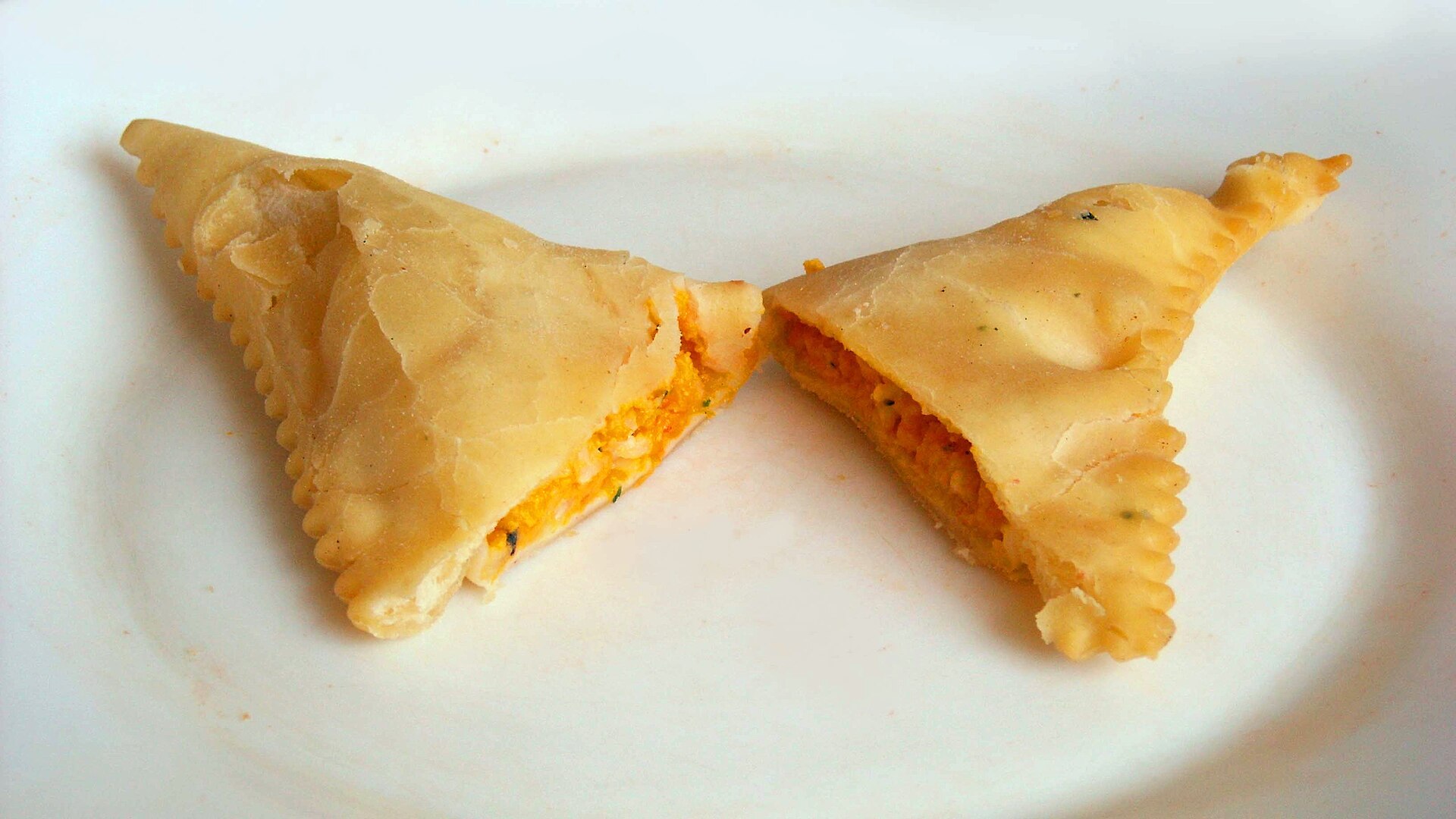
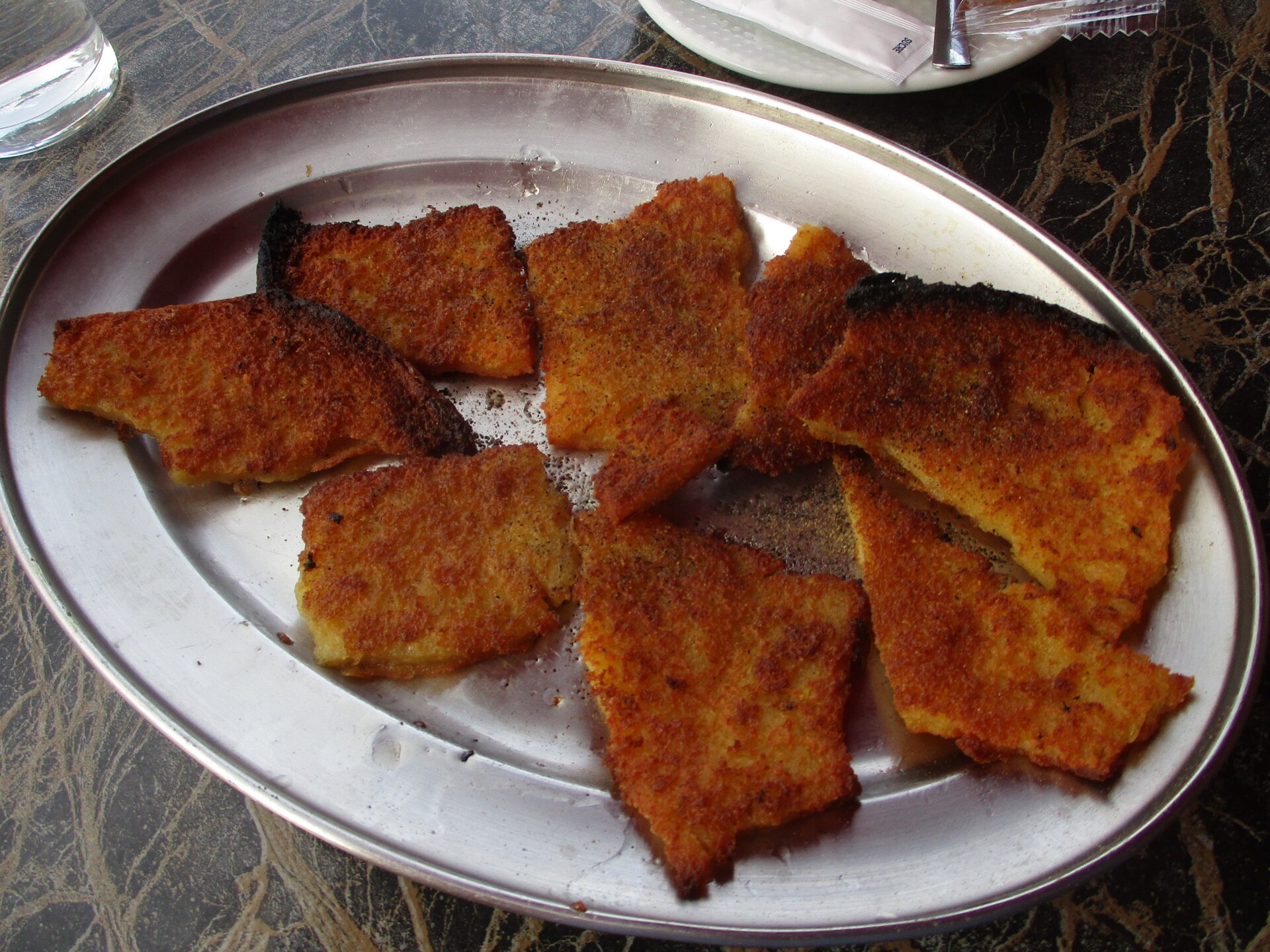
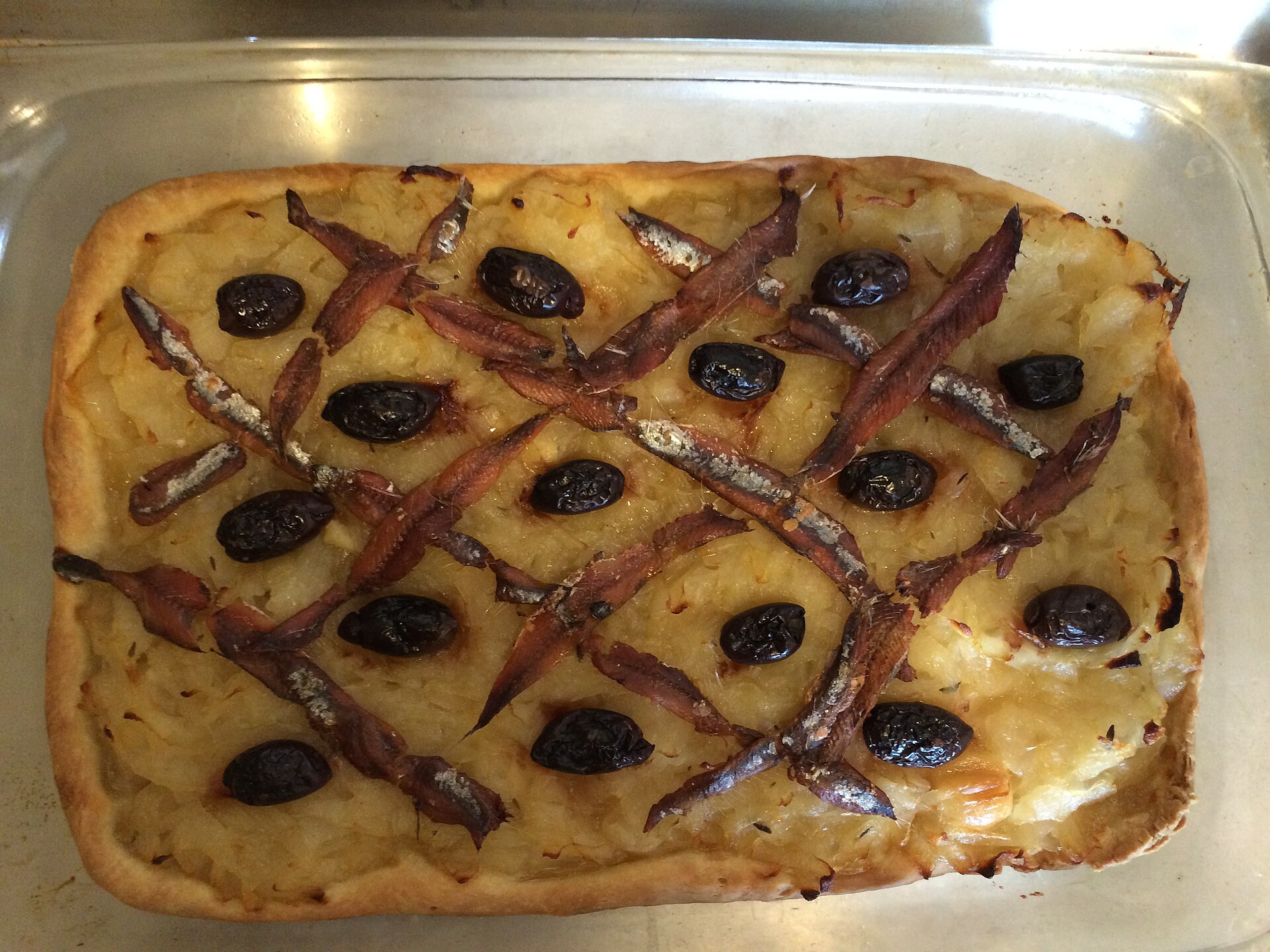
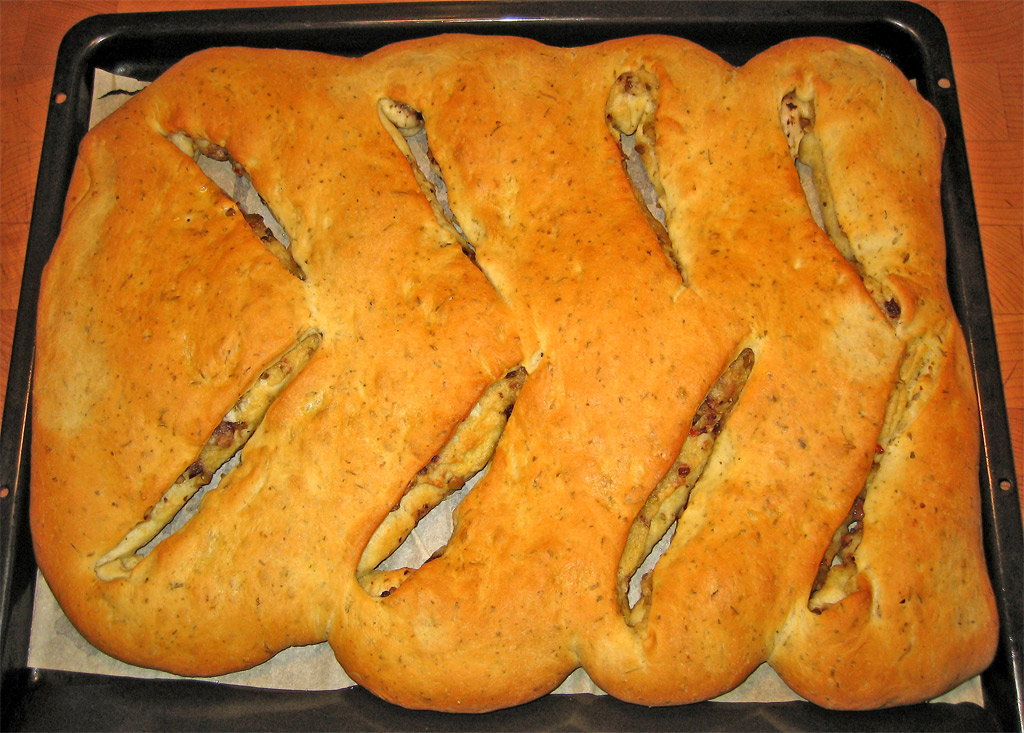
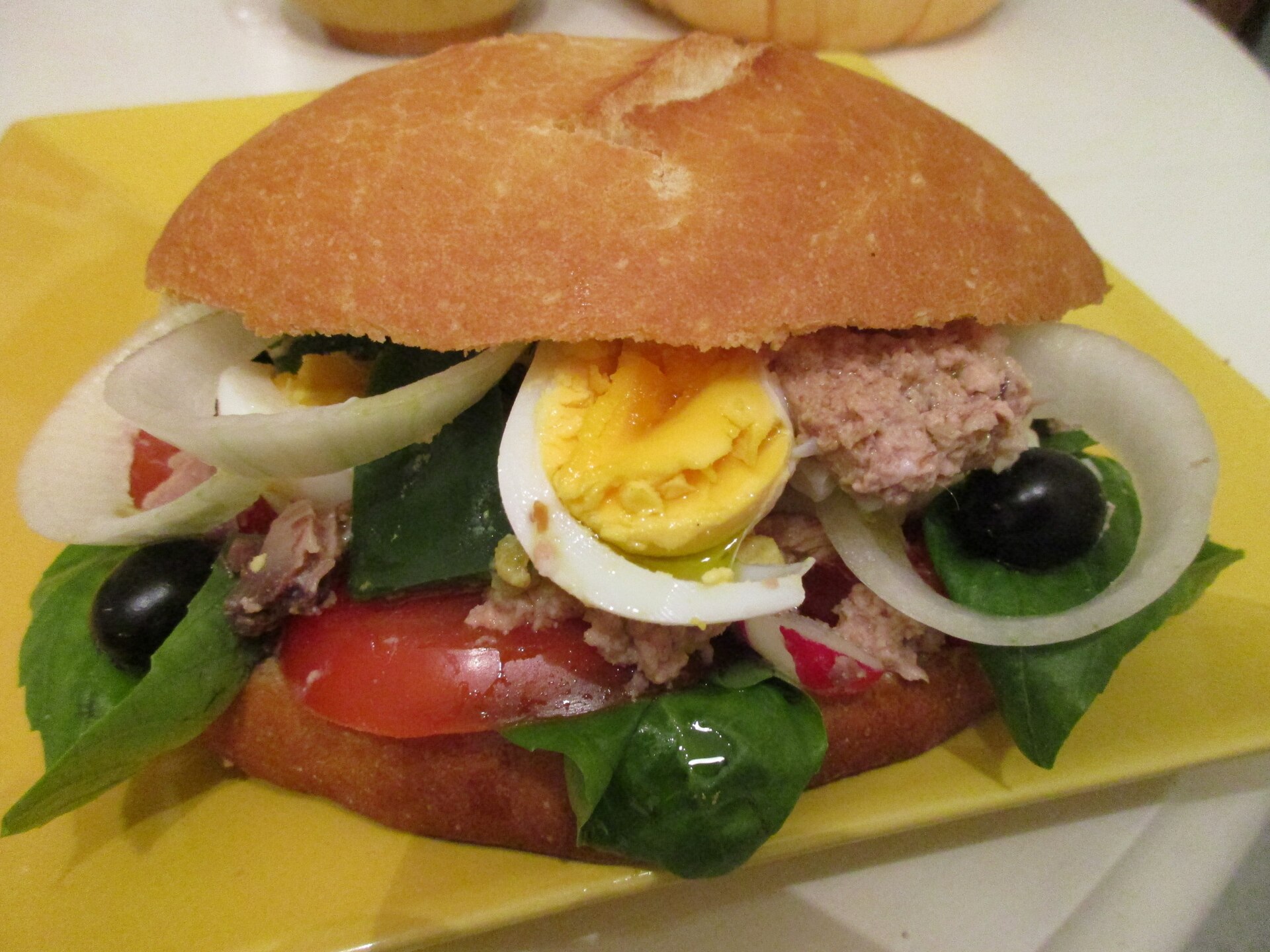
Pair with Riviera rosé.
Monaco's dining spans Michelin-starred temples (the legendary restaurants of the Hôtel de Paris) to humble Monégasque street food. Local specialties include barbajuan (chard-and-cheese fritters), socca, pissaladière, and fougasse Monégasque. The Condamine market (near Port Hercule) is the best spot for affordable, authentic local food — try barbajuan and pan bagnat at the stalls. Prices everywhere skew high; the market and bakeries are the budget-conscious choice.
Where to Stay
Each shaded circle marks one of the areas below, in its banner colour — tap a circle to open it in Google Maps.
Getting around — The principality is small but steep; public lifts and buses make it navigable on foot.
Practical Notes
Getting There & Around
- Getting in (without a car): Monaco-Monte-Carlo station (largely underground, with lifts to street levels) has frequent trains to Nice (~25 min), Menton (~10 min), and Italy. Nice Côte d'Azur Airport connects via train (with a change) or a direct express bus/helicopter; the scenic line 100 bus from Nice also serves Monaco.
- Getting in (with a car): A8 / corniche roads; parking is plentiful but paid, and driving the narrow tiers is stressful — not recommended.
- Getting around: On foot aided by ~35 free public elevators/escalators; an efficient local bus network; a seasonal solar-powered harbour ferry-boat (Bateau Bus) crosses Port Hercule.
- Tips: A car is pointless here — arrive by train and use the public lifts. Carrying ID is wise (you're crossing into a separate state, though there are no formal border checks).
Good to Know
- Monaco is very safe (heavy surveillance and police presence) but extremely expensive — budget accordingly or base nearby.
- Smart dress and ID are required for the casino gaming rooms; minimum age 18.
- During the Grand Prix (late May) and the Yacht Show (September), the city is transformed, gridlocked, and prices skyrocket — plan around these.
- Many attractions have seasonal hours; the oceanographic museum and palace are the anchors.
- The terrain is steep — use the public lifts to spare your legs.
Notable Insights
Etiquette & Culture
- Monaco is formal and image-conscious in Monte-Carlo; modest dress is fine for sightseeing but casinos and grand hotels expect smart attire. Photography of residents' supercars is normal; gambling responsibly is expected.
Budget
- Cheap — Condamine market food, free guard ceremony and lifts, harbour and circuit walks. Mid — Fontvieille cafés. Luxury — Monte-Carlo grand hotels and starred dining (among the priciest in Europe).
Timing
- Catch the guard change at ~11:55, the oceanographic museum midday, and the casino square at dusk when supercars and lights come out. Avoid Grand Prix/Yacht Show dates unless that's the goal.
The Standout
- The view from Monaco-Ville's ramparts and the oceanographic museum terrace — over the yacht harbour, the high-rises, and the open Mediterranean — captures the surreal density of the principality.