An Overture
Nîmes sits on the western edge of Provence (administratively in the Gard, Occitanie) and holds the most complete Roman monuments in France. Its amphitheatre is among the best-preserved in the world, and the Maison Carrée is a near-perfect Roman temple. The city wears its antiquity with a Spanish-tinged southern flair — its férias (bullfighting festivals) fill the arena with crowds, and the word "denim" derives from "de Nîmes," the city's historic cloth. A major rail hub with a striking new Roman museum, Nîmes is a compact, walkable, well-connected base for the Pont du Gard, the Camargue, and the lower Rhône.
Top Things to Do
Arènes de Nîmes (Roman Amphitheatre)
A remarkably intact 1st-century arena, still hosting concerts and bullfights; the included audio guide brings the gladiatorial history to life.
Insider tip — Allow ~1 hr; a combined ticket covers the Arènes, Maison Carrée, and Tour Magne.
Maison Carrée
One of the best-preserved Roman temples anywhere, recently inscribed as a UNESCO World Heritage Site; a short film screens inside.
Insider tip — Quick visit; admire the façade from the square.
Carré d'Art
Norman Foster's glass-and-steel contemporary art museum and library facing the Maison Carrée — a deliberate ancient/modern dialogue; rooftop café with views.
Jardins de la Fontaine & Temple de Diane
One of Europe's first public gardens, built around Roman springs, with the ruined "Temple de Diane" and terraced walks.
Insider tip — Free; lovely at any time.
Tour Magne
Roman tower atop the hill in the gardens, with a panorama over the city.
Getting there — Climb through the Jardins de la Fontaine; small entry fee.
Musée de la Romanité
Modern museum opposite the arena with an undulating glass façade and excellent Roman collections, including mosaics.
Insider tip — Rooftop terrace overlooks the amphitheatre.
Walking Tours
Roman Nîmes & the Fountain Gardens
A compact self-guided route links every highlight: start at the Arènes, walk through the old town's lanes and squares to the Maison Carrée and Carré d'Art, then continue to the Jardins de la Fontaine and climb to the Tour Magne. The full circuit is about 2–3 hours. The tourist office offers themed Roman and "denim" heritage walks.
Arènes de Nîmes amphitheatre → Musée de la Romanité → Place du Marché (crocodile fountain) → Cathédrale Notre-Dame-et-Saint-Castor → Place aux Herbes → Maison Carrée (Roman temple) → Jardins de la Fontaine → Temple de Diane → Tour Magne viewpoint
Day Trips & Beyond
Pont du Gard
The colossal three-tiered Roman aqueduct, a UNESCO highlight. Getting there: Regional bus (line toward Uzès) from Nîmes, ~45 min. A half-day.
SearchUzès
Elegant Renaissance ducal town with arcaded squares and a famous Saturday market. Getting there: Bus from Nîmes (~50 min), often combined with Pont du Gard.
SearchThe Camargue / Aigues-Mortes
Walled crusader port and salt flats. Getting there: Train/bus to Aigues-Mortes; a full day.
SearchHidden Gems
Jardins de la Fontaine at dusk
The illuminated 18th-century gardens and Roman ruins are quiet and atmospheric in the evening.
SearchCastellum Divisorium
A rare Roman water-distribution basin (the endpoint of the Pont du Gard aqueduct) tucked in a city street — easy to miss but historically remarkable.
SearchDenim heritage
Nîmes is the birthplace of the cloth; look for local makers reviving "de Nîmes" serge.
SearchLes Halles de Nîmes
The lively covered market, a great spot to eat brandade and local specialties at the counter.
SearchFéria de Nîmes
Twice-yearly festivals (Pentecost and September) transform the city with bullfights, music, and street parties (culturally divisive — be aware).
SearchFood & Dining
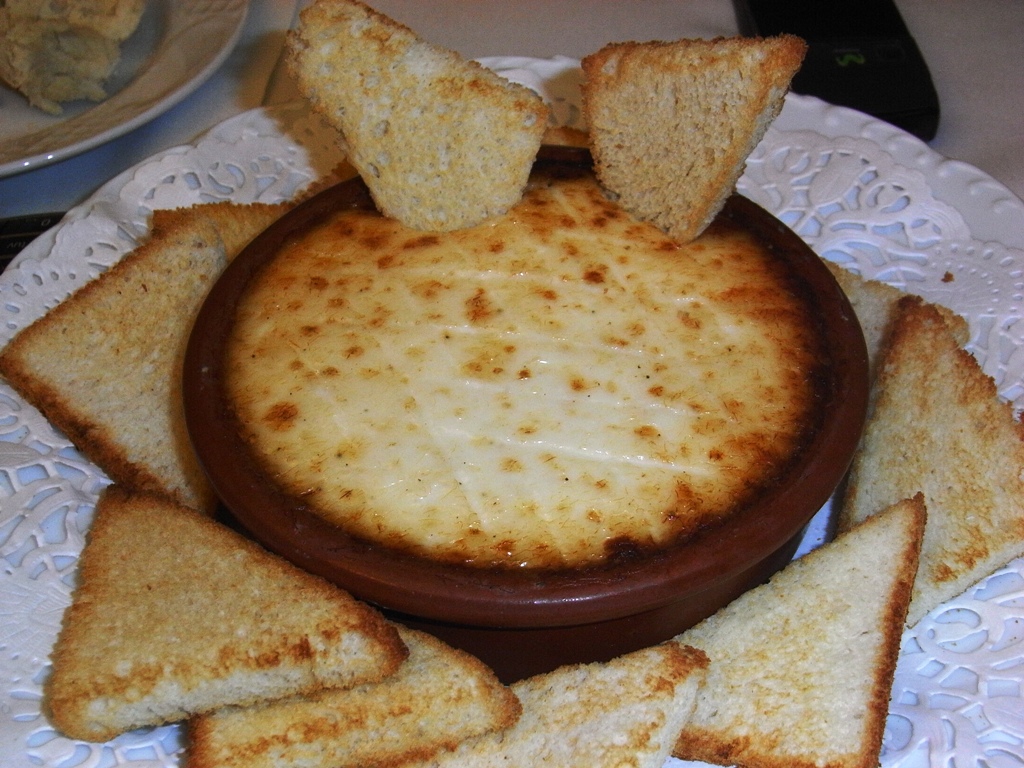
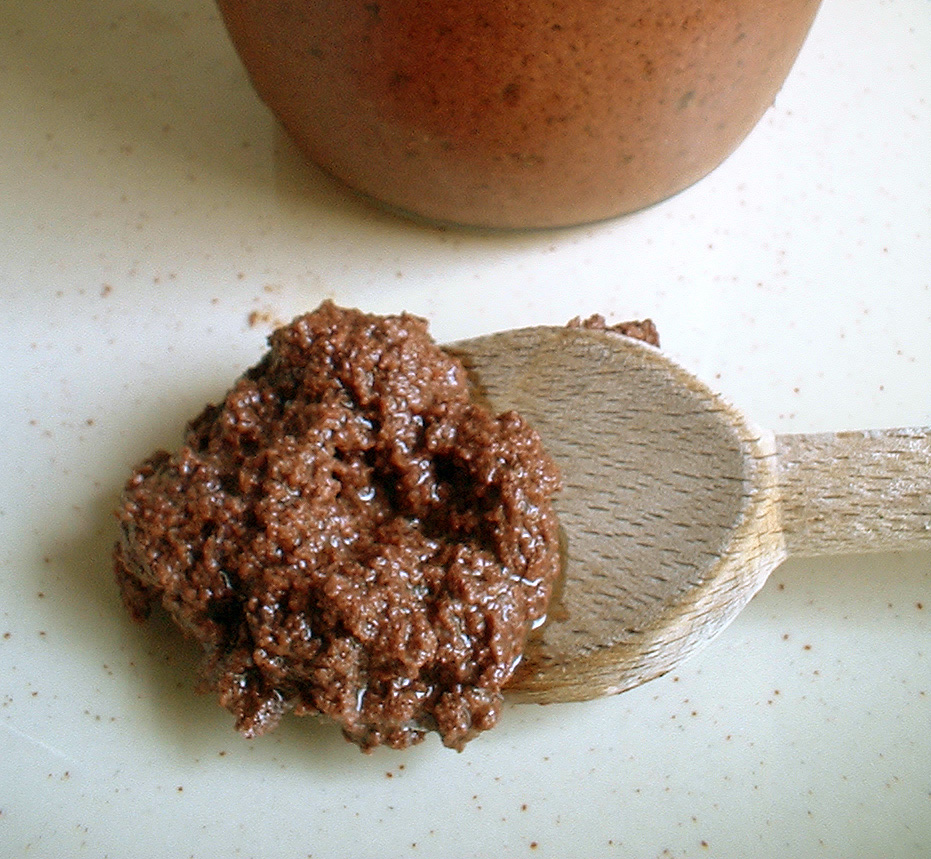
Pair with Costières de Nîmes wines.
Nîmes' signature dish is brandade de morue (whipped salt cod with olive oil), alongside Camargue bull and rice, tapenade, and the local olive oil and "picholine" olives. The Halles de Nîmes covered market is the best place to eat and shop — try counter stalls for brandade and oysters. The old town's squares (around Place du Marché with its crocodile fountain) and pedestrian lanes hold bistros and tapas-style bars reflecting the Spanish influence.
Where to Stay
Each shaded circle marks one of the areas below, in its banner colour — tap a circle to open it in Google Maps.
Getting around — The historic core is compact and pedestrian-friendly — no transport needed in town.
Practical Notes
Getting There & Around
- Getting in (without a car): Nîmes has two stations — central Nîmes-Centre (TER to Arles, Avignon, Montpellier, Marseille) and the out-of-town Nîmes-Pont-du-Gard TGV station (linked by shuttle bus) for high-speed trains to Paris and beyond. Nîmes-Alès-Camargue-Cévennes airport has limited flights.
- Getting in (with a car): A9/A54; park in peripheral lots as the écusson is largely pedestrian.
- Getting around: On foot in the center; the Tango bus network and buses serve the Pont du Gard and Uzès.
- Tips: No car needed for the city or the Pont du Gard (bus). Confirm whether your TGV uses Nîmes-Centre or the distant Pont-du-Gard station, and allow time for the shuttle.
Good to Know
- Buy the combined Roman-monuments pass to save money across the Arènes, Maison Carrée, and Tour Magne.
- During férias (Pentecost and September), the city is packed and prices spike — book far ahead or avoid if crowds aren't your scene.
- Summer is very hot; the gardens and covered market offer respite.
- The center is safe; usual caution near the station at night.
Notable Insights
Etiquette & Culture
- Nîmes leans Spanish — tapas, late dining, and a passion for the arena. Bullfighting is central to local identity but ethically contentious for many visitors.
Budget
- Cheap — the Halles market, free gardens, and brandade lunches. Mid — old-town bistros. Luxury — boutique hotels in restored mansions.
Timing
- Visit the Arènes and Maison Carrée early; the gardens are best late afternoon/evening; the Pont du Gard is calmest mid-morning.
The Standout
- The juxtaposition of the Maison Carrée and Foster's Carré d'Art across one square is a striking, free lesson in 2,000 years of architecture.