An Overture
Orange is a small northern-Vaucluse town with two of the best-preserved Roman monuments in the world: a magnificent theatre and a triumphal arch, both UNESCO World Heritage Sites. Quieter and more workaday than nearby Avignon, it rewards a focused half-day or as a relaxed, lower-cost base for the northern Côtes du Rhône wine country — including Châteauneuf-du-Pape just to the south. Easily reached by direct train, Orange suits travelers who want Roman heritage and vineyards without crowds.
Top Things to Do
Théâtre Antique d'Orange
The finest surviving Roman theatre in Europe, with its towering stage wall almost fully intact (a feature Louis XIV reputedly called "the finest wall in my kingdom"). Still used for the summer "Chorégies d'Orange" opera festival.
Insider tip — Audio guide included; allow 1–1.5 hrs. Combined ticket with the Musée d'Art et d'Histoire opposite.
Arc de Triomphe d'Orange
A grand triple-arched Roman triumphal arch on the old Via Agrippa, carved with battle and naval reliefs.
Getting there — ~10–15 min walk north of the center along Avenue de l'Arc de Triomphe; free to view.
Colline Saint-Eutrope
The hill above the theatre, with a park and viewpoint over the monument and the Rhône plain.
Musée d'Art et d'Histoire
Local museum (opposite the theatre) with Roman land-survey marble registers and town history.
Old town & Place de la République
Modest but pleasant café squares and a Provençal market (Thursdays).
Walking Tours
Roman Orange & Saint-Eutrope Hill
A short self-guided loop covers everything: start at the Théâtre Antique, climb the Colline Saint-Eutrope for the overhead view, descend through the old town's squares, and walk north to the Arc de Triomphe. The full circuit is easily done in 2 hours.
Arc de Triomphe d'Orange → Place de la République → Cathédrale Notre-Dame de Nazareth → Place Georges Clemenceau → Théâtre Antique d'Orange → Colline Saint-Eutrope viewpoint
Day Trips & Beyond
Châteauneuf-du-Pape
One of France's most famous wine villages, with a ruined papal castle and dozens of tasting cellars. Getting there: Limited bus or organized wine tour/shuttle from Orange or Avignon; ~15 min by car.
SearchVaison-la-Romaine
Roman ruins, a medieval upper town, and a famous market. Getting there: Regional bus from Orange (~45 min).
SearchDentelles de Montmirail & Gigondas/Séguret
Jagged limestone ridges and wine villages; best by tour or car.
SearchHidden Gems
Chorégies d'Orange (summer)
Attending an opera or concert in the ancient theatre, using its original acoustics under the stars, is a rare and atmospheric experience. Tip: Book well ahead; performances are in July–August.
SearchColline Saint-Eutrope at golden hour
A quiet, free vantage over the theatre and surrounding vineyards.
SearchNorthern Côtes du Rhône tastings
Orange is an uncrowded launch point for cellar visits in nearby wine villages.
SearchFood & Dining
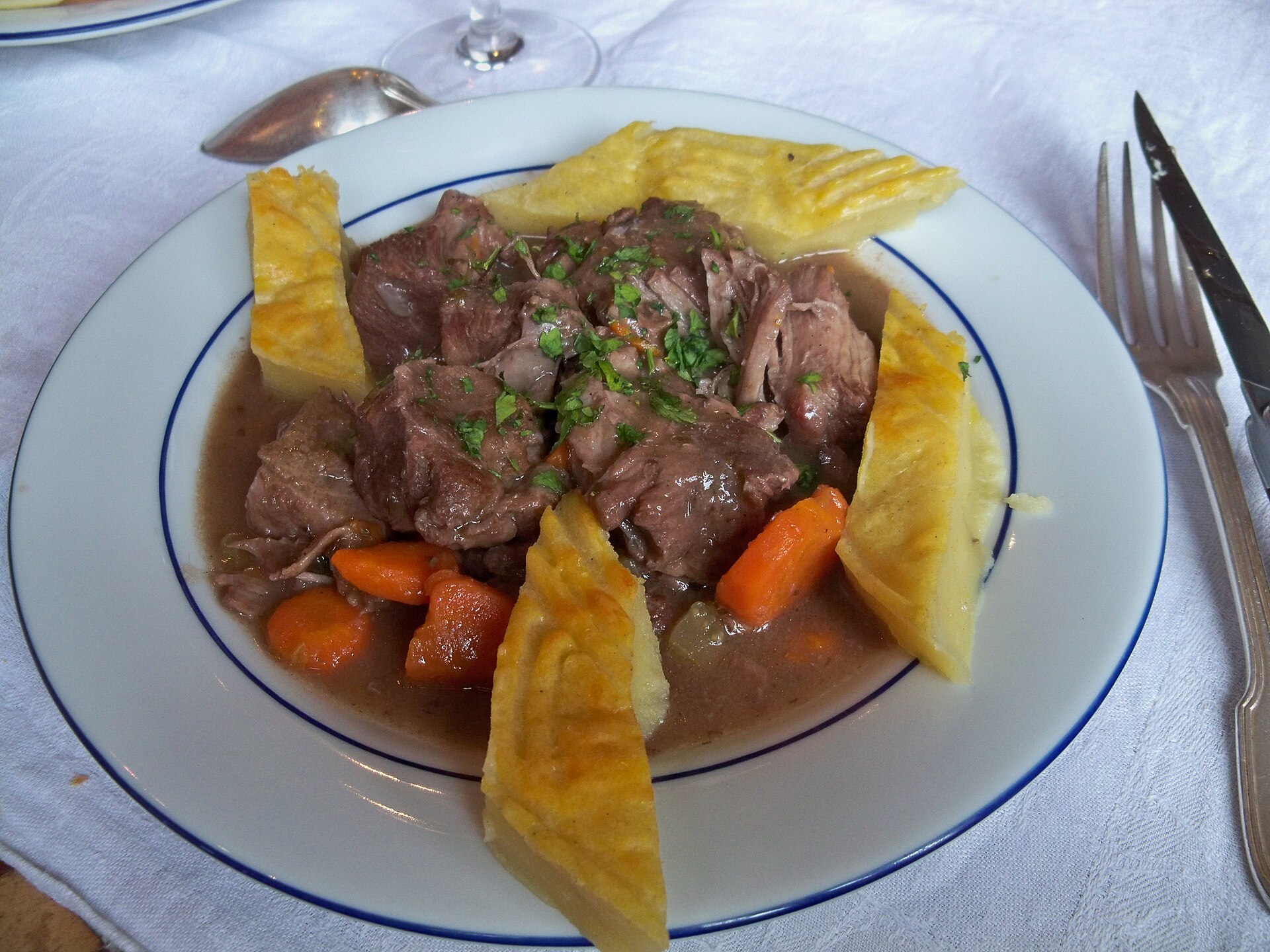
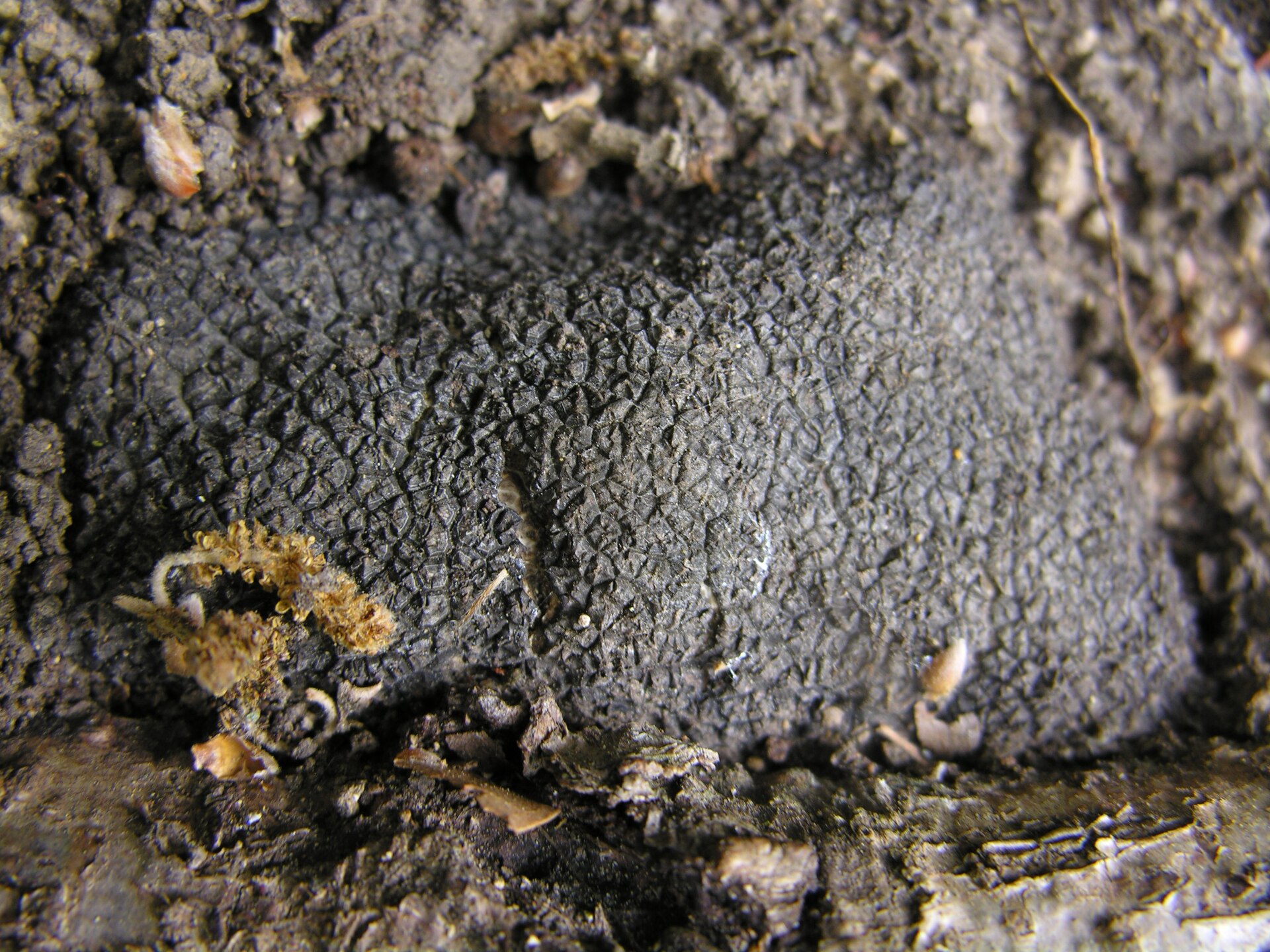
Expect hearty Provençal and Rhône-valley cooking — daube, lamb, truffles in season, and goat cheeses — paired with robust Côtes du Rhône and Châteauneuf-du-Pape reds. The Thursday market is good for local produce, olives, and charcuterie. Café terraces cluster around Place de la République and Place aux Herbes. Dining is generally better value here than in Avignon.
Where to Stay
Getting around — The town is small and flat — everything is walkable.
Practical Notes
Getting There & Around
- Getting in (without a car): Orange station has frequent TER trains to Avignon (~15–20 min) and Marseille, with TGV connections via Avignon. Regional buses serve Vaison-la-Romaine and other Vaucluse towns.
- Getting in (with a car): A7 autoroute (Orange exit); easy parking near the center.
- Getting around: Entirely on foot in town. Wine-country day trips need a bus, tour, or car.
- Tips: Orange itself needs no car, but the surrounding wine villages and Dentelles are poorly served by transit — join a tour or rent a car/e-bike for those. Many visitors day-trip to Orange from Avignon.
Good to Know
- Orange can be seen in half a day; pair it with Avignon or a wine-country outing to fill the day.
- Summer is hot; the Chorégies festival raises lodging demand in July–August.
- The Roman theatre is open year-round but check festival closure dates in summer.
- The mistral wind funnels through the Rhône valley here.
Notable Insights
Etiquette & Culture
- Standard Provençal market and café etiquette; the town is calm and unpretentious.
Budget
- Cheap to mid overall — Orange is a budget-friendly alternative base to Avignon, with lower hotel and dining prices.
Timing
- Visit the theatre early or late to avoid midday heat; the Saint-Eutrope hill is best at sunset.
The Standout
- The intact Roman stage wall is unique in the ancient world — standing on the theatre floor conveys the scale of Roman public spectacle better than almost any other site.