An Overture
Cortona is a dramatic hilltop town in southeastern Tuscany, perched high above the Valdichiana with long views toward Lake Trasimeno and Umbria. One of the oldest towns in Italy — an important Etruscan city ringed by ancient walls — it layers steep medieval lanes, Renaissance art (it produced Luca Signorelli and Pietro da Cortona), and a notable Etruscan museum into a compact, atmospheric centre. International fame came via Frances Mayes's Under the Tuscan Sun, set and filmed here. Reachable car-free via the Camucia-Cortona station on the Florence–Rome line plus a short bus up the hill, it makes a rewarding base for the Valdichiana, Lake Trasimeno, and nearby Umbrian towns.
Top Things to Do
Piazza della Repubblica & Piazza Signorelli
The stacked central squares with the medieval Palazzo Comunale and its grand staircase, the social heart of town.
Insider tip — Free; the cafés here are the prime people-watching spots.
MAEC – Museo dell'Accademia Etrusca
An excellent museum of Etruscan and Roman antiquities (including the famous bronze chandelier/lampadario) plus local art.
Insider tip — Ticketed; combined ticket with the Melone Etruscan tombs in the valley.
Museo Diocesano
A small but superb gallery with Fra Angelico's luminous Annunciation and works by Signorelli.
Insider tip — Ticketed; opposite the cathedral.
Basilica di Santa Margherita & Fortezza del Girifalco
At the top of town, a sanctuary and a Medici fortress with sweeping panoramas over the valley to Lake Trasimeno.
Insider tip — Steep climb; the fortress is ticketed and hosts exhibitions. The views are the reward.
Via Nazionale ("Ruga Piana")
The one nearly flat street, lined with shops and restaurants.
Santa Maria del Calcinaio
A High Renaissance church on the slope below town.
Insider tip — A short walk/drive downhill; limited hours.
Walking Tours
The climb to the Fortezza
From Piazza della Repubblica up through the steepest medieval lanes to Santa Margherita and the Girifalco fortress — strenuous but the defining Cortona walk, with the best views at the top.
Piazza della Repubblica, Cortona → Piazza Signorelli, Cortona → Via Santucci, Cortona → Via Berrettini, Cortona → Basilica di Santa Margherita, Cortona → Fortezza del Girifalco, Cortona
Etruscan walls circuit
Trace sections of the massive ancient walls and gates that still ring the town.
Porta Sant'Agostino, Cortona → Piazzale Garibaldi, Cortona → Porta Montanina, Cortona → Porta Colonia, Cortona
Day Trips & Beyond
Lake Trasimeno (Umbria) — Passignano, Castiglione del Lago, Isola Maggiore
Italy's fourth-largest lake with island ferries. Getting there — Train from Camucia/Terontola to lakeside stations (~20–30 min).
SearchPerugia & Assisi (Umbria)
Getting there — Direct trains from Terontola-Cortona (~40–70 min).
SearchMontepulciano & Pienza
Getting there — Train to Chiusi + bus, or guided tour; car-free but involved.
SearchLe Celle (Hermitage of St. Francis)
A still-active Franciscan hermitage in a wooded gorge just outside town. Getting there — ~3 km from the centre; taxi or a steep walk.
SearchHidden Gems
Eremo Le Celle
A tranquil 13th-century Franciscan hermitage clinging to a ravine, where St. Francis stayed; cells and a chapel in a serene forest setting.
Free/donation; respectful silence; just outside town.
SearchEtruscan "Melone" tombs (Sodo & Camucia)
Monumental Etruscan tumulus tombs in the valley below.
Combined ticket with the MAEC; the Sodo II tomb has a unique carved altar.
SearchTuscan Sun Festival / Cortona Mix Festival (summer)
Cultural and music events drawing on the town's literary fame.
SearchSignorelli's home town art
Encounter the Renaissance painter Luca Signorelli's works in the very town that produced him, across the Diocesan and civic collections.
SearchFood & Dining
Valdichiana cooking centres on its prized beef: the area is heartland of the.
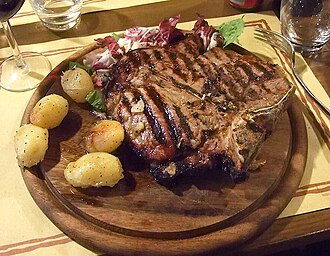
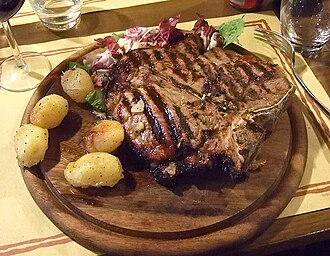
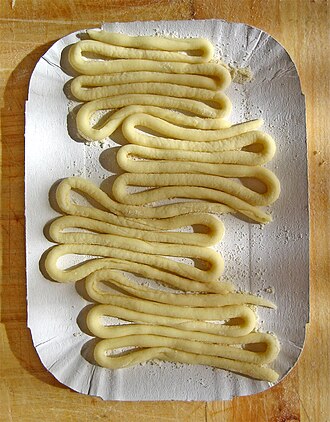
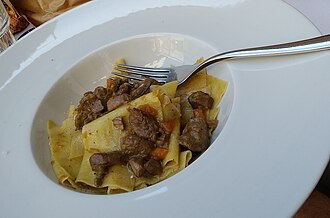
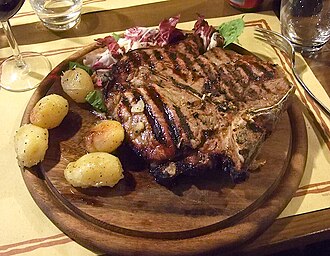
Local wines include Cortona DOC (notably Syrah).
trattorias along Via Nazionale and tucked into the side lanes; the panoramic terraces near the top reward the climb.
Where to Stay
Each shaded circle marks one of the areas below, in its banner colour — tap a circle to open it in Google Maps.
Getting around — The centre is very steep; pack light. Getting around town is on foot; the shuttle bus links to Camucia station.
Practical Notes
Getting There & Around
- Getting in (without a car): Two stations serve the area: Camucia-Cortona (closest, ~5 km below, frequent regional trains, then bus/taxi up the hill) and Terontola-Cortona (better for direct trains to Perugia/Assisi and Florence/Rome). Buses connect both stations to the hilltop centre; check timetables.
- Getting in (with a car): Off the A1 (Valdichiana exit) or the Perugia superstrada; park in lots outside the walls — the centre is ZTL.
- Getting around: On foot within the walls (steep). The town shuttle and local buses link the centre to Camucia and the valley.
- Tips: Do not plan to walk up from Camucia station with luggage — it's a long, steep climb; use the connecting bus or a taxi.
Good to Know
- The town is very steep — not ideal for those with mobility limits; even Via Nazionale connects to stairs.
- Time arrivals/departures around the station shuttle bus, which is not frequent.
- Cover shoulders/knees for churches and the sanctuary.
- Calm and safe; ordinary caution only.
Notable Insights
Character & Value
- Cultural/etiquette: Cortona blends genuine Etruscan-Tuscan depth with a layer of Under the Tuscan Sun tourism — the literary crowd concentrates around the central cafés; climb higher for solitude.
- Budget: Mid-range overall; Chianina steak is the splurge. Staying in Camucia saves money but adds bus dependence. Lake Trasimeno day trips are cheap by train.
Timing & Highlights
- Timing: Spring and autumn are best; summer evenings are lively with festivals. The hilltop catches breezes that make it pleasant when the valley is hot. Winter is quiet with reduced openings.
- Standout experience: Climbing to the Fortezza del Girifalco at sunset for the panorama across the Valdichiana to Lake Trasimeno glowing gold — the view that explains why the Etruscans built here.