An Overture
Florence is the capital of Tuscany and the birthplace of the Italian Renaissance, a compact, walkable city where the world's greatest concentration of Renaissance art and architecture sits within a ten-minute stroll. Cradle of the Medici, Michelangelo, Leonardo, Botticelli, Dante, and Galileo, the historic centre is a UNESCO World Heritage Site bounded by the Arno River and crowned by Brunelleschi's terracotta dome. It is the natural transport hub for the entire region: nearly every Tuscan destination is reachable from here by direct train or coach, making it the single best car-free base for first-time visitors. The appeal is the density — museums, churches, palaces, artisan workshops, and markets packed into a centre you can cross on foot in 25 minutes.
Top Things to Do
Cathedral of Santa Maria del Fiore (Duomo) & Brunelleschi's Dome
The iconic dome (1436) is the defining silhouette of the city; climbing its 463 steps rewards with close views of Vasari's frescoes and a rooftop panorama.
Insider tip — Dome and bell tower climbs require timed reservations through the official Opera del Duomo site; a single combined ticket covers the dome, Giotto's Campanile, the Baptistery, the crypt, and the Opera Museum. Cathedral interior is free but queues are long — go early.
Uffizi Gallery
The supreme collection of Renaissance painting: Botticelli's Birth of Venus and Primavera, Leonardo, Michelangelo, Raphael, Caravaggio, Titian.
Insider tip — Reserve a timed entry online to skip multi-hour lines; allow at least three hours. Closed Mondays. Free on the first Sunday of the month (no reservations then — expect crowds).
Galleria dell'Accademia
Home to Michelangelo's original David and his unfinished Prisoners.
Insider tip — Book ahead; the museum is small and timed slots sell out. Closed Mondays.
Ponte Vecchio
The medieval bridge lined with goldsmiths' shops, the only Florence bridge to survive WWII.
Insider tip — Free to walk; best at dawn or after dusk to avoid the densest crowds.
Palazzo Pitti & Boboli Gardens
The vast Medici palace across the Arno houses several museums; the Boboli Gardens behind it are a sculpted Renaissance landscape.
Insider tip — A combined ticket covers Boboli, the Bardini Gardens, and the porcelain and costume museums.
Piazza della Signoria & Palazzo Vecchio
The civic heart, an open-air sculpture gallery (copy of David, the Loggia dei Lanzi statues) fronting the fortress-like town hall.
Insider tip — Climb the Arnolfo Tower for views; the interior Salone dei Cinquecento is spectacular.
Basilica di Santa Croce
Franciscan church holding the tombs of Michelangelo, Galileo, Machiavelli, and Rossini.
Insider tip — Modest admission; covers the Pazzi Chapel and cloisters.
Walking Tours
Renaissance Core loop
Duomo → Via dei Calzaiuoli → Piazza della Signoria → Uffizi exterior → Ponte Vecchio, roughly 1 km and the essential first orientation walk.
Cattedrale di Santa Maria del Fiore → Battistero di San Giovanni → Via dei Calzaiuoli → Piazza della Repubblica → Piazza della Signoria → Piazzale degli Uffizi → Ponte Vecchio
Oltrarno artisan walk
Cross Ponte Vecchio into the Oltrarno ("other side of the Arno"), exploring Santo Spirito and San Frediano — leather, gilding, and bookbinding workshops, quieter squares, and authentic trattorias.
Ponte Vecchio → Borgo San Jacopo → Piazza de' Pitti → Piazza Santo Spirito → Piazza del Carmine → Basilica di San Frediano in Cestello
Climb to Piazzale Michelangelo
A 20–30 minute walk up from the river (via the Rose Garden) to the city's classic panoramic terrace; continue up to the Romanesque church of San Miniato al Monte.
Piazza Giuseppe Poggi → Giardino delle Rose → Piazzale Michelangelo → Abbazia di San Miniato al Monte
Day Trips & Beyond
Fiesale
Etruscan hill town with Roman ruins and sweeping views over Florence, only 20–30 minutes away. Getting there — City bus no. 7 from Piazza San Marco.
SearchSiena
The great Gothic rival city. Getting there — Direct Tiemme/Autolinee Toscane "rapida" coach (~75 min) is faster and more scenic than the train.
SearchPisa & Lucca
Both on direct regional train lines (~50–80 min); easily combined in one day.
SearchSan Gimignano
Towered hill town. Getting there — Bus to Poggibonsi, change to the San Gimignano shuttle.
SearchChianti (Greve)
Wine country gateway. Getting there — SITA/Autolinee Toscane bus from the Florence bus station.
SearchHidden Gems
Brancacci Chapel (Santa Maria del Carmine)
Masaccio's groundbreaking frescoes, a cornerstone of Western art with a fraction of the crowds.
Timed reservation recommended.
SearchSan Miniato al Monte
Hilltop Romanesque basilica with inlaid marble and, most evenings, Gregorian chant sung by the monks.
Free; check evening Vespers times.
SearchOfficina Profumo-Farmaceutica di Santa Maria Novella
One of the world's oldest pharmacies (founded 1221 by Dominican friars), still selling perfumes and elixirs in a frescoed hall.
SearchVasari Corridor
The Medici's private elevated passage linking the Uffizi to Palazzo Pitti, reopened to visitors.
SearchSant'Ambrogio Market
A working neighbourhood food market, far less touristy than the central San Lorenzo market.
SearchFood & Dining
Florentine cooking is hearty and meat-forward.
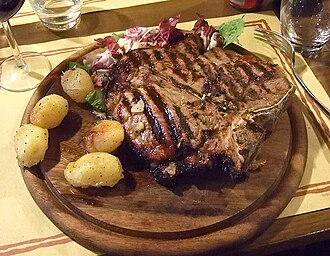
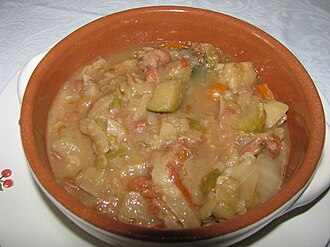
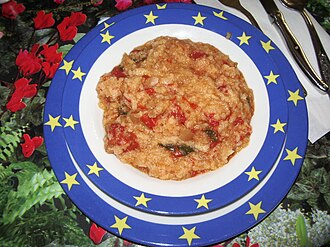
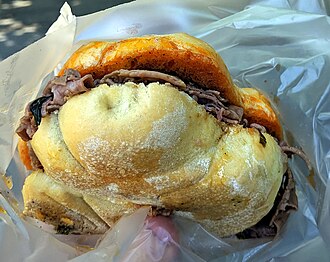
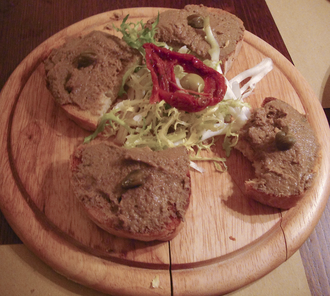
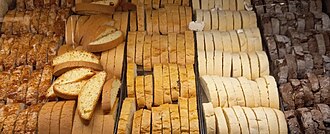
Drink Chianti Classico or a Super Tuscan.
the Oltrarno (Santo Spirito and San Frediano) for authentic trattorias; Sant'Ambrogio and the upper floor of the Mercato Centrale for casual food halls; avoid the menu-touting places ringing the Duomo and Signoria.
Where to Stay
Each shaded circle marks one of the areas below, in its banner colour — tap a circle to open it in Google Maps.
Getting around — Getting around is almost entirely on foot; the centre is a Limited Traffic Zone (ZTL) so a car is a liability. Trams and buses serve outer areas and the airport.
Practical Notes
Getting There & Around
- Getting in (without a car): Firenze Santa Maria Novella (SMN) is the central station with direct high-speed trains to Rome (~1h35), Milan, Venice, Bologna, and regional trains across Tuscany. Florence's own Amerigo Vespucci Airport (FLR) connects to SMN via the T2 tram in ~20 min; Pisa Airport (PSA) links by the "PisaMover" + train (~1h total).
- Getting in (with a car): Reachable via the A1 (Milan–Rome) and A11 autostrade, but the centre is closed to non-resident traffic — park at peripheral garages or park-and-ride tram lots.
- Getting around: Walk. The centre is pedestrian-friendly and compact. Trams (lines T1/T2) and ATAF buses cover the periphery and airport; taxis are metered (call or use ranks — they don't reliably stop on the street).
- Tips: Validate regional train tickets before boarding. The ZTL is camera-enforced with steep fines — never drive into the centre. Most day trips depart from SMN station or the adjacent Autostazione bus terminal.
Good to Know
- Book the Uffizi, Accademia, and Duomo dome in advance — same-day tickets often mean hours of queuing or no entry.
- Dress to cover shoulders and knees for churches.
- The centre is very safe; the main risk is pickpocketing in crowds around the station, San Lorenzo market, and on busy buses.
- Tap water is potable; refill at public fountains.
Notable Insights
Character & Value
- Cultural/etiquette: Italians dine late (lunch ~13:00, dinner from 20:00); a coperto (cover charge) is normal. Order coffee standing at the bar for less money and a more local feel.
- Budget: Cheap = lampredotto/panini from market stalls, picnic from Sant'Ambrogio (~€5–10); mid = trattoria primi/secondi (€12–22); luxury = a shared bistecca fiorentina or a Michelin tasting menu. The first Sunday of the month brings free state-museum entry — great for budgets, brutal for crowds.
Timing & Highlights
- Timing: Visit major museums at opening or in the last two hours before closing. Spring (April–May) and autumn (Sept–Oct) are ideal; July–August are hot and packed. Early morning at the Duomo and Ponte Vecchio is magical and nearly empty.
- Standout experience: Sunset from San Miniato al Monte (above the crowds of Piazzale Michelangelo) with the city and dome glowing — often accompanied by the monks' evening chant.