An Overture
Pistoia is a handsome, understated medieval city between Florence and Lucca, long overshadowed by its neighbours and all the better for it — named Italian Capital of Culture in 2017, it offers a near-perfect monumental square, fine Romanesque churches, and glazed terracotta masterpieces with almost no tourist crowds. Once a Roman settlement and a rival of Florence (its medieval factional strife gave the world the original Guelphs and Ghibellines), it is today a relaxed working city ringed by Europe's largest plant nurseries. Compact and flat, sitting directly on the Florence–Lucca–Viareggio rail line, Pistoia is a genuinely easy and authentic car-free base or day trip.
Top Things to Do
Piazza del Duomo
One of Tuscany's most complete medieval squares, framed by the cathedral, baptistery, bishop's palace, and the town hall.
Insider tip — Free to enjoy; the weekly market spills across it.
Cattedrale di San Zeno
The cathedral holds the spectacular Altar of St. James, a silver altarpiece worked on for two centuries (over a tonne of silver).
Insider tip — Small fee to view the silver altar up close; cathedral entry otherwise free.
Baptistery of San Giovanni in Corte
An elegant green-and-white striped octagonal Gothic baptistery facing the cathedral.
Insider tip — Free or modest entry.
Campanile (Bell Tower)
The cathedral's tall medieval tower, climbable on guided visits for rooftop views.
Insider tip — Book through the tourist office; limited times.
Ospedale del Ceppo
A former hospital façade adorned with a vivid Della Robbia glazed terracotta frieze depicting the works of mercy.
Insider tip — Free to view from the street; the underground Pistoia Sotterranea tour runs beneath it.
Church of Sant'Andrea
Home to Giovanni Pisano's masterpiece carved marble pulpit (1301).
Insider tip — Modest admission.
Walking Tours
Romanesque churches circuit
Link San Zeno (Duomo), Sant'Andrea, San Giovanni Fuorcivitas, and San Bartolomeo in Pantano — a compact loop through Pistoia's outstanding medieval churches, all within the small walled centre.
Cattedrale di San Zeno, Pistoia → Piazza del Duomo, Pistoia → Piazza della Sala, Pistoia → Pieve di Sant'Andrea, Pistoia → San Giovanni Fuorcivitas, Pistoia → San Bartolomeo in Pantano, Pistoia
Pistoia Sotterranea
An underground guided walk along the ancient Brana stream beneath the Ospedale del Ceppo, revealing the city's hidden hydraulic and hospital history.
Ospedale del Ceppo, Pistoia → Via degli Orafi, Pistoia → Piazza del Duomo, Pistoia
Day Trips & Beyond
Hidden Gems
Giostra dell'Orso (Bear Joust, 25 July)
A historic equestrian tournament between the city's four districts in Piazza del Duomo, in full medieval costume.
Ticketed stands; book ahead.
SearchPistoia's plant-nursery landscape
The plains around the city form one of Europe's biggest ornamental-plant growing districts; the green expanse is a distinctive feature.
SearchPalazzo dei Vescovi underground
Roman and medieval layers excavated beneath the old bishop's palace.
SearchPistoia Blues Festival (July)
A long-running blues and rock festival filling Piazza del Duomo.
SearchFood & Dining
Pistoiese cooking is rustic Tuscan.
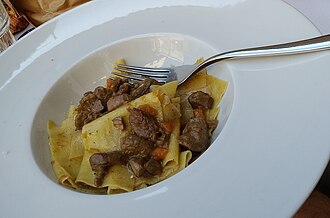
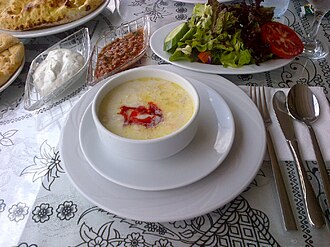
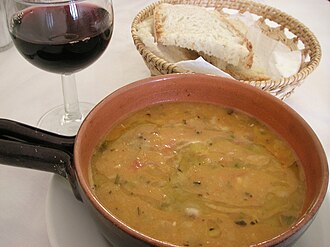
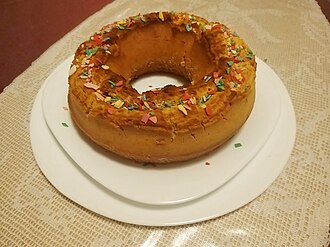
trattorias around Piazza della Sala (the old market square, also the evening aperitivo hub) and the lanes near the Duomo.
Where to Stay
Getting around — Everything is within an easy flat walk; you won't need local transport inside town.
Practical Notes
Getting There & Around
- Getting in (without a car): Pistoia station is on the Florence–Lucca–Viareggio line with frequent direct regional trains (Florence ~45 min, Lucca ~45 min, Montecatini ~12 min). Buses to the mountains and Vinci leave from near the station.
- Getting in (with a car): Off the A11 autostrada; park outside the walls — the centre has ZTL limits.
- Getting around: On foot. The walled centre is flat and small (~10 min across). Taxis at the station.
- Tips: Pistoia pairs naturally with Lucca or Montecatini on the same rail line for a multi-stop car-free day.
Good to Know
- Sights are inexpensive or free and rarely crowded — Pistoia is one of Tuscany's best low-stress destinations.
- The Bear Joust (25 July) is the big annual date; book accommodation ahead if visiting then.
- Churches and shops observe a midday closure.
- Very safe; ordinary urban caution suffices.
Notable Insights
Character & Value
- Cultural/etiquette: A genuine, lived-in Tuscan city rather than a tourist set-piece — evenings revolve around aperitivo in Piazza della Sala among locals.
- Budget: Excellent value — free/cheap monuments, affordable trattorias (€12–22), and hotel rates well under Florence's. An ideal budget base within commuting distance of Florence.
Timing & Highlights
- Timing: Pleasant year-round; July brings the Bear Joust and the Blues Festival. Weekday mornings, when the Piazza del Duomo market is on, show the city at its most authentic.
- Standout experience: Standing in the cathedral before the silver Altar of St. James — two centuries of goldsmithing rarely seen by tour groups — in a square most visitors to Tuscany never reach.