An Overture
Siena is the great Gothic city of Tuscany — a perfectly preserved medieval town of warm brick lanes spilling down three ridges, organized since the Middle Ages into 17 fiercely loyal contrade (districts) that compete in the Palio horse race. Built around the shell-shaped Piazza del Campo, one of Europe's finest squares, Siena rivaled Florence for centuries before plague and conquest froze it in time, leaving an extraordinarily intact UNESCO-listed cityscape. The historic centre is entirely pedestrian and hilly. While Siena has no high-speed rail (its station is downhill and inconvenient), it is exceptionally well served by direct coaches to Florence and bus links to San Gimignano, Montalcino, and the Val d'Orcia — making it the best base for exploring southern Tuscany without a car.
Top Things to Do
Piazza del Campo
The sloping, fan-shaped central square paved in red brick, ringed by palazzi and the site of the Palio.
Insider tip — Free; sit on the brick to soak it in. The Fonte Gaia fountain anchors the top.
Palazzo Pubblico & Torre del Mangia
The Gothic town hall houses the Museo Civico with Lorenzetti's Allegory of Good and Bad Government frescoes; the 87 m Torre del Mangia offers the city's best panorama.
Insider tip — Separate tickets for museum and tower; the tower climb (400+ steps) caps the number of visitors — go early.
Siena Cathedral (Duomo)
A masterpiece of striped marble Gothic, with Pisano's pulpit, Pinturicchio's frescoed Piccolomini Library, and a famous inlaid marble floor.
Insider tip — The full marble floor is uncovered only for limited periods (typically late summer–October); the OPA SI Pass combines the cathedral, library, baptistery, crypt, and museum.
Museo dell'Opera & the "Facciatone"
Climb the unfinished cathedral wall for a dramatic rooftop view.
Insider tip — Included in the OPA SI Pass; narrow stairs.
Battistero di San Giovanni
Below the cathedral, with a font featuring panels by Donatello and Ghiberti.
Pinacoteca Nazionale
The definitive collection of the Sienese school of painting (Duccio, Simone Martini, the Lorenzetti).
Santa Maria della Scala
A vast former medieval hospital opposite the Duomo, now a museum complex with frescoed halls.
Walking Tours
Campo-to-Duomo spine
From the Campo up to the cathedral complex and the Facciatone — short but steep, covering the monumental core.
Piazza del Campo → Via di Città, Siena → Duomo di Siena → Battistero di San Giovanni, Siena → Facciatone, Siena
Contrade walk
Wander the residential ridges (e.g. the Oca, Onda, or Tartuca districts) to spot each contrada's fountain, flags, and museum — the living social fabric of Siena.
Piazza del Campo → Fontebranda, Siena → Costa di Sant'Antonio, Siena → Basilica di San Domenico, Siena → Fortezza Medicea, Siena
Fortezza & ramparts
Stroll the walls and the 16th-century Fortezza Medicea for sunset views and the Enoteca Italiana wine bar in its vaults.
Fortezza Medicea, Siena → La Lizza, Siena
Day Trips & Beyond
San Gimignano
Towered hill town. Getting there — Bus to Poggibonsi, change to the San Gimignano shuttle (~75 min total).
SearchMontalcino (Brunello wine)
Getting there — Direct Autolinee Toscane bus (~70 min).
SearchMontepulciano & Pienza (Val d'Orcia)
Getting there — Bus via Buonconvento/Torrenieri; combine with care for timetables.
SearchMonteriggioni
A tiny, perfectly circular walled village. Getting there — Bus toward Colle/Poggibonsi (~30 min), short walk uphill.
SearchAbbey of Sant'Antimo & Asciano / Crete Senesi
The clay-hill badlands south of the city. Getting there — Limited bus; easier with a tour from Siena.
SearchHidden Gems
The Palio (2 July & 16 August)
A bareback horse race around the Campo, the culmination of intense contrada rivalry; the square fills free of charge (no ticket for the central standing area) but arrive hours early.
The trial races and district dinners in the preceding days are spectacles in themselves.
SearchContrada museums
Each district maintains a small museum of its banners, costumes, and Palio trophies; visits are by arrangement and offer rare insider access.
SearchOrto de' Pecci
A green community farm and medieval garden in a valley just below the centre, almost unknown to visitors.
SearchEnoteca Italiana in the Fortezza
Historic wine cellar showcasing Italian labels in the fortress vaults.
SearchFood & Dining
Sienese food is hearty and sweet-toothed.
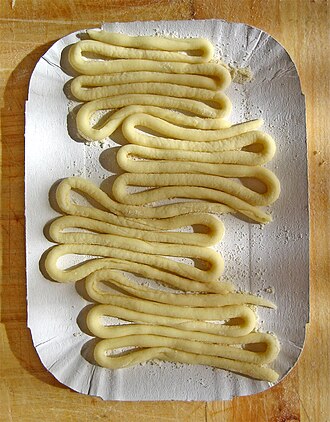
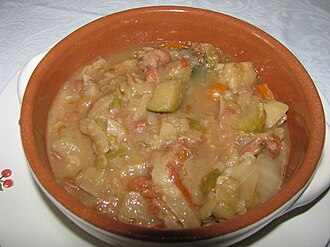
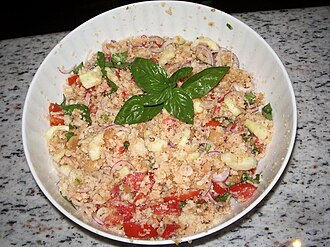
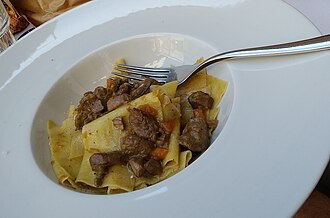
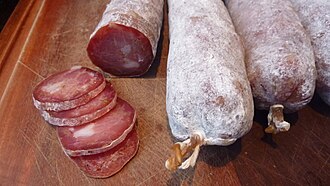
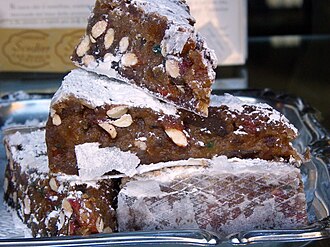
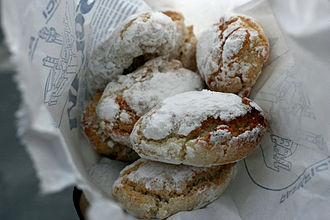
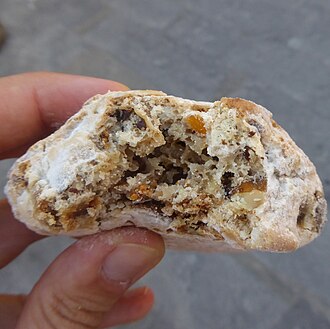
Drink Chianti Colli Senesi or day-trip Brunello/Vino Nobile.
the lanes off the Campo (e.g. around Via di Città and the Banchi di Sotto) rather than the square itself, which is scenic but priced for the view.
Where to Stay
Each shaded circle marks one of the areas below, in its banner colour — tap a circle to open it in Google Maps.
Getting around — The centre is steep, cobbled, and pedestrianised — pack light and wear good shoes. Everything is walkable; you won't need local transport within the walls.
Practical Notes
Getting There & Around
- Getting in (without a car): Buses are the smart choice. Autolinee Toscane / Tiemme "rapida" coaches run frequently from Florence (~75 min) to the Siena bus terminal at Piazza Gramsci/San Domenico, right by the centre. The train station is downhill and inconvenient (connected to the centre by escalators and a bus) — fine for the coast but slower to Florence.
- Getting in (with a car): Off the Florence–Siena raccordo (free expressway); park at peripheral garages (Il Campo, San Francesco, Santa Caterina with escalators up) — the centre is a strict ZTL.
- Getting around: Entirely on foot within the walls. For day trips, use the buses from Piazza Gramsci/San Domenico.
- Tips: Buy bus tickets at the terminal or online and validate. The escalator/lift systems from the car parks and station spare you the steepest climbs.
Good to Know
- During the Palio (early July & mid-August) the city is packed and prices soar — book months ahead or visit at another time; the days around the race see closures and crowds.
- Expect steep gradients everywhere — not ideal for those with limited mobility, though lifts help.
- Cover shoulders and knees for the Duomo.
- Siena is very safe; usual care with valuables in Campo crowds.
Notable Insights
Character & Value
- Cultural/etiquette: The contrade are a serious living identity, not folklore for tourists — treat the Palio and district traditions with respect. Don't sit on the Campo's brick during set-up days before the race.
- Budget: Cheap = panforte and pici at a casual osteria, picnic on the Campo (~€8–14); mid = trattoria with boar pasta and Chianti (€20–30); the OPA SI Pass bundles the cathedral sights for better value than separate tickets.
Timing & Highlights
- Timing: The cathedral's full inlaid marble floor is uncovered only ~6–10 weeks a year (typically late August–late October) — a major reason to time a visit then. Spring and autumn are best overall; midsummer is hot and Palio-crowded.
- Standout experience: Climbing the Torre del Mangia at opening for the panorama, then watching the Campo fill with the evening passeggiata as the brick turns gold.
Recommended Videos
- Tuscany Week Long Road Trip Vlog | Florence, Siena, Pisa, Wine Tasting, Things to Do — Suitcase Monkey · YouTube
- Siena, Italy: Timeless Sienese Eats - Rick Steves’ Europe Travel Guide - Travel Bite — Rick Steves' Europe · YouTube
- Siena, Italy | Things to do in Siena | Siena 4K — Very Nice Travel · YouTube